Gold usually gets the first allocation, and silver often follows. Platinum is the metal many investors consider later – not because it lacks value, but because its role is less familiar. That is exactly why platinum bullion for diversification deserves a closer look. For investors building a resilient precious metals position, platinum can add a different set of market drivers than gold and silver alone.
Physical platinum occupies an unusual place in the metals market. It is both a precious metal and an industrial metal. That combination matters. Gold is often driven by monetary concerns, central bank activity, and risk sentiment. Silver sits somewhere between monetary metal and industrial commodity. Platinum has its own profile, shaped by supply concentration, industrial use, and a market size that is much smaller than gold.
For an investor focused on asset protection, that does not automatically make platinum better. It makes it different. And in diversification, different can be useful.
Why platinum bullion for diversification stands apart
Diversification works when assets do not move for exactly the same reasons at exactly the same time. Platinum can contribute to that because its price is influenced by factors that are not identical to gold. Industrial demand, especially from automotive and manufacturing sectors, can have a significant impact. Supply disruptions can also move the market sharply because global platinum production is geographically concentrated.
That concentration is one of platinum’s defining characteristics. A large share of global mine supply comes from South Africa, with additional output from Russia and a relatively limited number of other sources. When production is interrupted by labor issues, energy constraints, geopolitics, or operational setbacks, the platinum market can feel it quickly. Investors who already hold gold and silver may view this as a way to add exposure to a distinct supply-demand structure.
There is also the matter of rarity. Platinum is considerably rarer than gold in terms of annual mine production. Rarity alone does not guarantee price appreciation, but it does support the case that platinum should not be treated as a generic metal. It is a specialized market with its own fundamentals, and that can make it a meaningful diversifier inside a broader hard-asset allocation.
What platinum does well in a precious metals portfolio
Platinum can help investors broaden their exposure beyond the more crowded parts of the bullion market. If your current holdings are heavily weighted toward gold, adding platinum may reduce concentration in a single demand narrative. Gold tends to attract capital during inflation fears, currency concerns, and financial stress. Platinum may respond more to industrial recovery, auto catalyst demand, and supply tightness. Those are not perfect offsets, but they are not identical either.
This matters most for investors who already accept the case for physical ownership. If your goal is to hold recognized bullion products outside the financial system, platinum gives you another form of tangible value that does not depend on corporate earnings, bond issuers, or bank solvency. It remains a hard asset with internationally recognized purity standards and global market acceptance when purchased in trusted coin or bar formats.
Platinum may also appeal to value-oriented bullion buyers because it has often traded at a discount to gold over the last decade. Historically, that relationship has not always held. There have been periods when platinum commanded a premium due to its scarcity and industrial importance. That does not mean a return to older pricing relationships is guaranteed, but it does mean some investors see platinum as a metal with asymmetrical potential if market conditions change.
Where the trade-offs begin
Platinum is not a substitute for gold’s monetary role. That is the first point to keep clear. If your primary reason for owning bullion is crisis insurance or long-term wealth preservation through the most established precious metal, gold still occupies a different position. Platinum’s industrial exposure can create opportunities, but it can also make the price more cyclical.
That cyclicality can produce higher volatility. Platinum prices may react more sharply to manufacturing slowdowns, changes in vehicle technology, or weaker industrial demand. Investors looking for the steadier perception and broader investor recognition of gold may find platinum less straightforward.
Liquidity is another consideration. Platinum bullion is widely traded in recognized formats, but it is still a smaller market than gold or silver. Product selection can be narrower, premiums may vary more by format, and resale conditions may differ depending on the product’s brand, weight, and market timing. This is why recognized mint products and clearly stated purity standards matter. In a smaller market, trust and product recognition become even more important.
Tax treatment and storage costs also deserve attention. Platinum is dense in value compared with silver, which can make storage more efficient, but investors should still think in practical terms. Buying physical bullion means considering secure storage, insurance, and resale planning. Those factors apply to any metal, but they should be part of the decision rather than an afterthought.
Choosing the right platinum bullion format
For most investors, the key decision is not whether platinum exists as a diversification tool. It is which form makes sense for the size and purpose of the allocation.
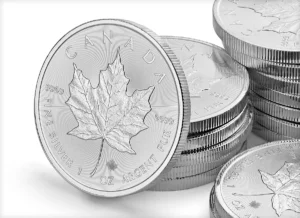
Government-minted platinum coins are often preferred by buyers who value broad recognition and simpler resale. Products from established sovereign mints typically carry clear weight and purity markings and are familiar to dealers and investors worldwide. That familiarity can support confidence when it is time to liquidate or rebalance.
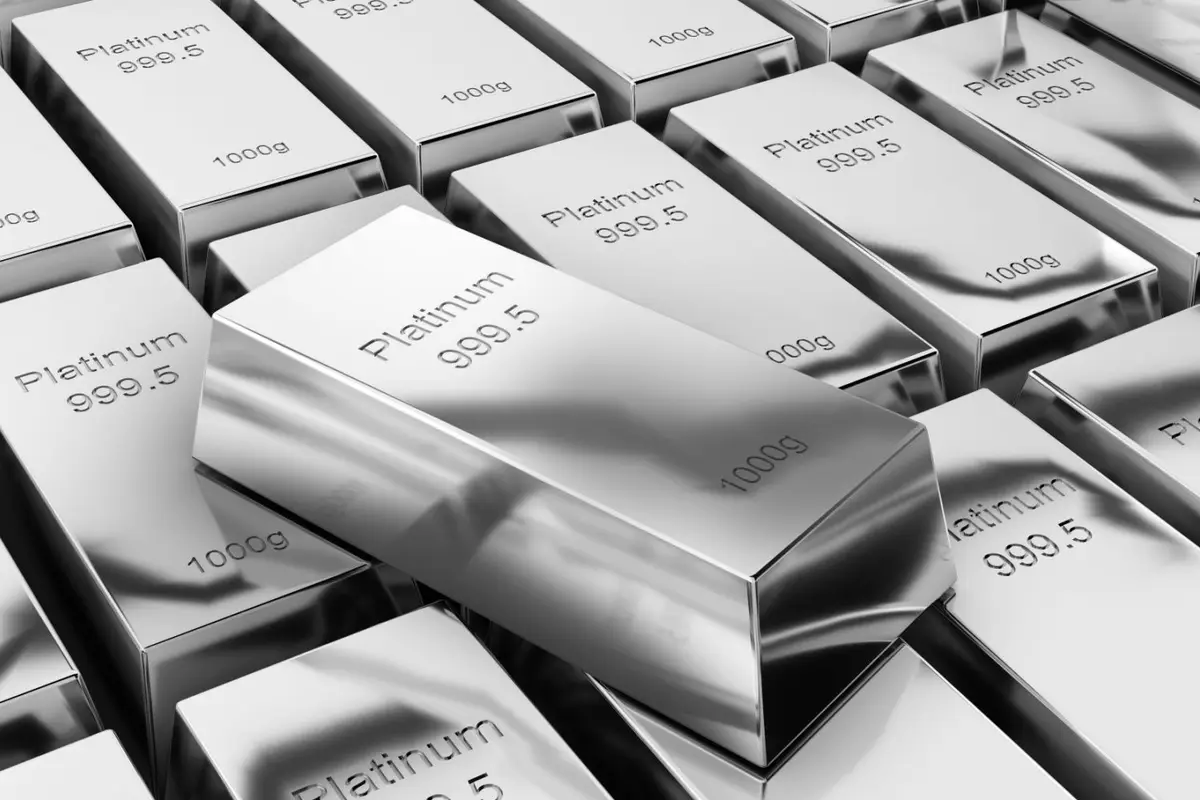
Platinum bars may offer a more efficient premium structure, particularly in larger sizes. Investors focused on ounces acquired rather than collectibility often lean toward bars from respected refiners and internationally recognized manufacturers. The trade-off is that some buyers find coins more flexible in secondary markets, especially for smaller transactions.
The right choice depends on your budget, desired liquidity, and how you expect to use the position. A first-time buyer building a modest allocation may prefer widely recognized one-ounce coins. A larger buyer seeking lower cost per ounce may favor bars. In both cases, authenticity, purity, and source credibility are not optional. They are central to the investment case.
How much platinum belongs in a diversified allocation
There is no universal percentage that fits every portfolio. The answer depends on why you own bullion in the first place.
If precious metals are primarily your defensive reserve, platinum will usually be a satellite position rather than the core. Gold often remains the anchor because of its deep liquidity and long-established role in wealth preservation. Silver may add affordability and additional upside potential. Platinum can then serve as a targeted diversifier within the metals sleeve.
For some investors, that might mean a modest allocation intended to broaden exposure without changing the overall risk profile too aggressively. For others, especially those who already hold substantial gold and silver, platinum may represent a more deliberate opportunity based on supply constraints or valuation relative to gold. The prudent approach is to size platinum according to its strengths and its volatility, not according to excitement around rarity alone.
Buying platinum bullion with discipline
The quality of the purchase matters as much as the metal itself. Physical bullion should come from recognized sources, with transparent pricing, verified purity, and secure delivery procedures. In platinum, where the market is smaller and product recognition carries real weight, disciplined sourcing becomes even more important.
Investors should pay close attention to product specifications, premium levels, and the reputation of the dealer. A trustworthy bullion partner should make it easy to confirm what you are buying, how it is priced, and how it will be delivered. For those adding platinum to a long-term portfolio, that level of clarity supports confidence before and after the transaction.
Omega Bullion Vault serves this type of buyer by focusing on investment-grade products, recognized sourcing, and secure fulfillment standards that reduce uncertainty around physical ownership.
Platinum bullion for diversification works best with clear expectations
The strongest case for platinum is not that it will outperform every other metal. It is that it can add a different layer of exposure inside a hard-asset strategy. Its scarcity, industrial relevance, and concentrated supply profile give it characteristics that gold and silver do not fully replicate.
That said, platinum asks more from the investor. You need to accept greater price swings, a smaller market, and a metal whose demand profile is tied partly to industry rather than purely to monetary sentiment. For some portfolios, that will be a reason to keep the allocation small. For others, it will be precisely why platinum earns a place.
If you approach it with realistic expectations, physical platinum can be a disciplined addition rather than a speculative detour. The goal is not to replace the foundations of your portfolio. The goal is to strengthen them with assets that do not all depend on the same story.