A one-ounce gold coin and a one-ounce gold bar may contain the same amount of precious metal, yet they can serve different purposes in an investment portfolio. The difference can affect what you pay, how easily you sell, how you store your holdings, and whether the product fits your broader wealth-preservation plan. Knowing how to choose bullion products starts with looking beyond the spot price.
Physical bullion is a tangible asset, but it is not a single, interchangeable purchase. Metal type, weight, product format, mint recognition, premium, and storage requirements all deserve consideration before you place an order. The right choice is the one that supports your investment objective while preserving flexibility and confidence in future resale.
Start With the Role Bullion Will Play
Before comparing specific coins or bars, decide what you expect bullion to do within your portfolio. An investor building a long-term position in hard assets may prioritize low premiums and efficient metal exposure. Someone who values flexibility may prefer smaller, widely recognized products that can be sold in portions over time. A collector may reasonably place more weight on design, limited mintage, or historical appeal, though those factors move beyond pure bullion investing.
For most investors, physical gold, silver, platinum, and palladium are considered for diversification, tangible ownership, and potential protection against monetary uncertainty. They should be evaluated as part of an overall financial plan, not as a substitute for liquidity reserves or a guarantee against market losses. Precious metals prices can rise and fall, and the price paid above spot matters.
Your budget also shapes the practical answer. A larger purchase may justify wholesale-format bars or larger weights. A smaller or recurring purchase may be better suited to standard one-ounce coins, bars, or silver products. Establishing the purpose first prevents a common mistake: buying an attractive product that does not match your intended holding period or liquidity needs.
How to Choose Bullion Products by Metal
Each precious metal brings different market characteristics. Gold is often the starting point because it concentrates significant value into a small, portable form. It is broadly recognized, commonly available in coins and bars, and generally practical for investors who want to store substantial value in limited space.
Silver can offer a lower entry price per ounce and is useful for investors seeking a larger physical metal position for a given budget. The trade-off is volume. A meaningful silver allocation requires considerably more storage space and may involve higher premiums relative to the metal value, particularly in smaller denominations.
Platinum and palladium are less commonly held than gold and silver, but they can offer diversification within a precious metals allocation. Their markets are often more influenced by industrial demand, supply constraints, and automotive-sector conditions. That can create different price behavior, but it can also mean fewer product choices and, at times, wider dealer spreads.
There is no universally correct allocation among these metals. Gold may suit an investor focused on compact, globally recognized wealth storage. Silver may fit a buyer seeking accessible physical ownership and industrial-metal exposure. Platinum and palladium may be appropriate as measured additions for investors who understand their more specialized markets.
Choose Between Coins, Bars, and Rounds
Bullion format affects both cost and convenience. Government-minted bullion coins are typically among the most recognizable products in the market. Examples include widely traded coins from established national mints. Their familiar designs, stated weight, and purity can support straightforward resale with dealers and private buyers. That recognition often comes with a higher premium than a comparable bar.
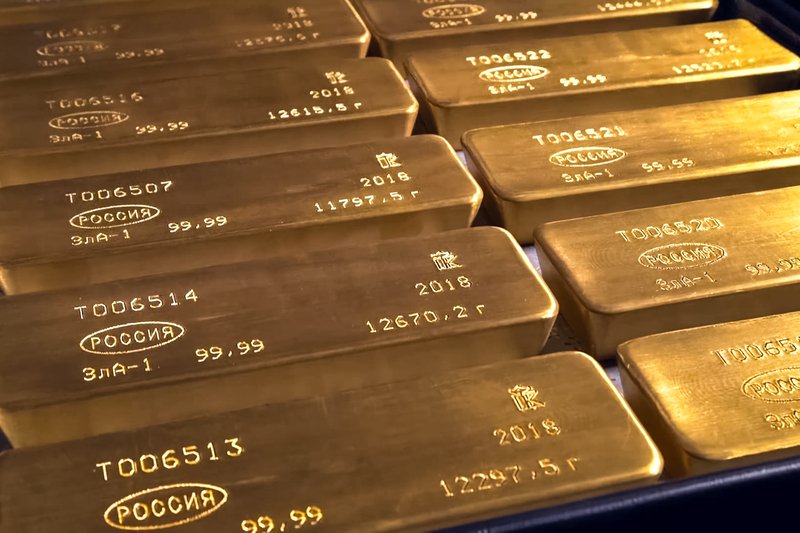
Bars are designed primarily for metal ownership efficiency. They are available in small sizes for retail buyers and larger weights for experienced investors or bulk purchasers. In many cases, the premium per ounce declines as bar size increases. The trade-off is divisibility: selling part of a 10-ounce gold bar is not possible without selling the whole bar, while ten one-ounce products can be sold individually.
Privately minted rounds are generally silver products that resemble coins but are not legal tender. Reputable rounds can provide a cost-efficient way to acquire silver, particularly when they are produced by recognized refiners. Their resale market may be slightly less universal than that of leading sovereign coins, so buyers should weigh the premium savings against their preference for maximum recognition.
For a portfolio intended to remain liquid, many investors use a combination of formats. Smaller units can provide flexibility, while larger bars may reduce the average acquisition cost for the portion they expect to hold longer term.
Verify Purity, Weight, and Mint Recognition
Investment-grade bullion should clearly state its metal content, weight, and purity. Gold bullion commonly carries a fineness of .999 or .9999, while investment-grade silver is often .999 fine. Platinum and palladium bullion are also widely available at high purity standards. Purity alone, however, is not the entire quality test.
The manufacturer matters. Products from globally recognized government mints and established private refiners are easier for dealers to authenticate and price. Their dimensions, designs, security features, and specifications are well documented. This recognition can help reduce uncertainty when you eventually sell.
Be cautious with products that are heavily discounted without a clear explanation, lack identifiable refinery marks, or are offered without reliable product specifications. Counterfeit risk is a real consideration in the physical metals market. Buying from a dealer that emphasizes authentic sourcing, transparent product descriptions, and secure fulfillment is part of protecting the value of the purchase.
Avoid confusing purity with condition. A scratched or lightly handled bullion coin can still contain its full stated metal value, but collectors may value it differently. If your priority is metal content rather than numismatic value, standard investment-grade bullion is often the more disciplined choice.
Compare Premiums, Not Just the Spot Price
Spot price is the quoted market price for raw precious metal, but physical bullion is purchased at a premium above spot and sold at a price that may be below spot, depending on the product and market conditions. The gap between buy and sell prices is part of the cost of owning physical metal.
When comparing products, look at the total delivered price per ounce rather than focusing only on the stated premium. Two products with the same metal content may differ in price because of manufacturing costs, mint recognition, product availability, order size, and current market demand. During periods of elevated demand, premiums can increase even if spot prices are unchanged.
Low premiums are valuable, but they should not be evaluated in isolation. A very low-cost product from an unfamiliar source may be less convenient to sell than a slightly higher-premium product from a major mint. For many investors, the sound approach is to balance acquisition cost with recognized liquidity.
Plan for Liquidity Before You Buy
The time to think about selling bullion is before you purchase it. Widely traded one-ounce gold coins, common silver coins, and bars from established refiners tend to have active secondary markets. Products with unusual weights, limited recognition, or highly specialized designs may require more effort to resell at a competitive price.
Liquidity is also shaped by unit size. A buyer who owns one large bar may need to sell a significant dollar amount at once. Holding several smaller pieces provides more control over the amount liquidated. On the other hand, too many very small units can increase premiums and add complexity to storage and inventory management.
For larger purchases, ask whether the products are appropriate for wholesale or institutional-style holdings and whether their refinery credentials are widely recognized. For first-time buyers, starting with familiar, easily understood formats is often the clearest route to confident ownership.
Match Storage to the Value You Own
Physical ownership requires a storage decision. Home storage provides direct access, but it also places responsibility for theft prevention, privacy, insurance, and fire protection on the owner. A secure, professionally installed safe may be appropriate for some holdings, but it should not be treated as a complete plan without reviewing insurance coverage and household risk.
Third-party vault storage can offer controlled access, professional security, and documentation for larger allocations. The key questions are whether holdings are allocated or segregated, how they are insured, how ownership is recorded, and what procedures apply when you request delivery or liquidation. Storage costs should be included in the total cost of ownership.
Keep original packaging, invoices, and any assay documentation where applicable. Accurate records help with inventory control, insurance discussions, and future resale. They also make it easier to distinguish investment bullion from products acquired for collectible reasons.
Build Deliberately, Then Review Periodically
A disciplined bullion strategy does not require predicting the next market move. It requires selecting recognized products, understanding your total costs, and purchasing in a way that fits your available capital and long-term objectives. Some investors make periodic purchases to build an allocation over time, while others purchase after setting a target percentage for tangible assets. Either method can be reasonable when it reflects a clear plan rather than short-term excitement.
Omega Bullion Vault focuses on investment-grade products from recognized mints and refiners because authenticity, purity, and resale confidence matter long after checkout. Whether you choose coins for flexibility, bars for efficiency, or a measured mix of metals, buy products you can identify, store securely, and explain as part of your broader financial strategy.
The most useful bullion purchase is rarely the most dramatic one. It is the product that gives you verified metal ownership, a clear path to secure storage, and the confidence to hold it patiently for the purpose you intended.