A one-ounce gold coin and a one-ounce silver coin can both represent the same idea – tangible wealth held outside the financial system – but they behave very differently once you start buying. That is the real question behind gold versus silver bullion. Most investors are not choosing a “better” metal in the abstract. They are deciding which metal better matches their budget, risk tolerance, storage preferences, and long-term reasons for owning physical assets.
Gold versus silver bullion: the core difference
Gold is typically the more compact store of value. A relatively small amount of physical gold can represent a meaningful dollar position, which makes it attractive for investors focused on wealth preservation, portability, and efficient storage. Silver, by contrast, usually offers a lower entry price per ounce. That makes it more accessible to first-time buyers and investors who want to accumulate gradually.
The trade-off is straightforward. Gold often brings lower volatility and a stronger reputation as a defensive asset during periods of monetary stress. Silver can offer more upside in strong metals markets, but it also tends to experience wider price swings. For investors who value stability first, gold often feels more aligned with that goal. For investors comfortable with more movement in exchange for a lower cost of entry, silver may be easier to start with.
Neither metal is inherently right for everyone. The better choice depends on what role bullion is supposed to play in your overall strategy.
Why investors choose gold bullion
Gold has a long-established role as a reserve asset and a store of purchasing power. That status matters because investor confidence in gold tends to remain strong across market cycles, not just during short-term price rallies. When buyers think about protecting wealth over decades rather than months, gold often sits at the center of that conversation.
There is also a practical advantage to gold ownership. Because the value per ounce is high, storing and transporting larger dollar amounts is easier. An investor can hold a substantial allocation in a relatively small physical footprint. For buyers concerned with discreet storage, estate planning, or moving assets efficiently, that matters.
Gold bullion products also tend to be widely recognized, especially bars and sovereign-minted coins that meet established purity standards. Recognition can support liquidity when it is time to sell. Products from respected mints and refiners generally inspire stronger buyer confidence, which is one reason experienced investors often favor standard, investment-grade formats over novelty products.
That said, gold’s higher price point can make regular accumulation more difficult for some buyers. If your budget is limited, purchasing meaningful amounts of gold may take longer. For many investors, that is the main hurdle.
Why investors choose silver bullion
Silver appeals to buyers who want physical precious metals exposure without committing as much capital per purchase. That lower unit cost makes silver a practical entry point for first-time bullion investors, as well as for experienced buyers who prefer dollar-cost averaging into hard assets over time.
Silver also has broader industrial demand than gold, which can influence its price behavior. In some market environments, that industrial component can support stronger moves. It can also increase volatility. Silver tends to react more sharply, in both directions, which is why it is often seen as a higher-beta precious metal.
For some investors, that volatility is acceptable because silver offers flexibility in purchasing. You can build a position in smaller increments, use recognizable coins or rounds for divisibility, and adjust your pace based on market conditions and budget. That accessibility is a real advantage, especially for households building a long-term precious metals position steadily rather than all at once.
The downside is storage efficiency. Large dollar amounts in silver require much more space and weight than the same value in gold. Shipping, handling, and storage logistics become more noticeable as holdings grow.
Gold versus silver bullion for different investor goals
If your primary objective is wealth preservation, gold often fits more naturally. It is commonly chosen by investors who want a concentrated, durable store of value with less physical bulk and somewhat lower volatility. This can be especially relevant for higher-net-worth buyers or those allocating a larger amount to physical metals.
If your priority is affordability and accumulation, silver can make more sense. It allows investors to start with smaller purchases while still building ownership of a tangible asset with recognized value. That can make silver especially useful for newer buyers who want to learn the bullion market through direct ownership.
If you are concerned about liquidity, both metals can be liquid when purchased in standard formats from recognized mints and refiners. The key is not only the metal itself, but also the product selection. Well-known coins and bars with clear purity standards are generally easier to sell than obscure or heavily marked-up items.
If you are focused on balancing stability with growth potential, many investors choose both. Gold can serve as the anchor position, while silver adds flexibility and greater upside potential in stronger market phases. That blend is often more practical than treating the decision as strictly one or the other.
Price volatility, premiums, and what buyers often miss
Spot price gets most of the attention, but physical bullion buyers should pay close attention to premiums as well. The premium is the amount paid above the metal’s underlying market price, and it reflects minting, fabrication, distribution, and dealer costs. In practice, your real acquisition cost is spot plus premium, not spot alone.
Silver products often carry a higher percentage premium than large gold bars, particularly on smaller retail items. That does not make silver a poor purchase, but it does affect how quickly a position may break even relative to market price movements. Product format matters here. A one-ounce silver coin, a silver round, and a larger silver bar may all provide the same metal exposure, but not at the same premium level.
Gold has its own premium differences as well. Fractional gold pieces can be convenient, but they often come with higher percentage premiums than one-ounce products. Investors comparing gold and silver should look beyond metal prices and think in terms of total cost efficiency.
This is where disciplined buying matters. Authenticity, recognized sourcing, transparent pricing, and insured delivery are not secondary details. They are part of the investment case. Saving a small amount upfront is not a win if it introduces uncertainty around product quality or resale confidence.
How to choose the right bullion format
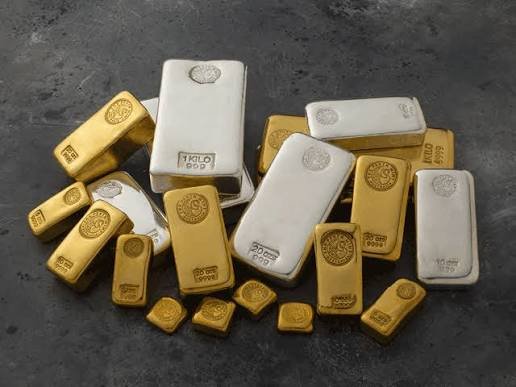
The metal you choose is only part of the decision. The format matters too. Coins from established government mints often offer high recognizability and investor confidence. Bars can provide strong value, especially in larger weights where premiums may be more efficient. Rounds may appeal to cost-conscious silver buyers, though recognition can vary by producer.
For gold, many investors gravitate toward one-ounce coins or bars because they balance liquidity and premium efficiency. For silver, the choice often depends on quantity and intended use. Investors building a larger silver position may prefer bars to reduce premium costs, while those who want flexibility may choose one-ounce coins or rounds.
The best format depends on what you value most: liquidity, lower premiums, divisibility, or storage efficiency. A disciplined dealer should help clarify those trade-offs rather than push a single product type for every buyer.
Should you buy gold, silver, or both?
For many investors, the practical answer is both, but in different proportions. Gold often serves as the core defensive holding, while silver adds affordability and tactical upside. That combination can work well for buyers who want physical asset diversification within their precious metals allocation.
Still, there are situations where one metal may deserve more emphasis. If you are making a larger lump-sum purchase and want maximum value density, gold has a clear advantage. If you are building a position gradually through recurring purchases, silver may be easier to sustain. If storage space is limited, gold is usually more efficient. If you want more ounces for the same budget, silver naturally wins.
The smartest decision is usually the one that matches your actual buying pattern and risk comfort, not the one that sounds most impressive on paper. At Omega Bullion Vault, that is the standard serious investors should expect from any bullion decision: clarity on the product, confidence in the source, and alignment with a long-term plan.
Physical bullion works best when it is chosen with intent. If you are weighing gold against silver, start with your objective, your budget, and the level of price movement you are prepared to accept. The right metal is the one you can buy confidently, store securely, and hold with conviction.