
A first bullion purchase should not feel like a wager on a price chart. It should be a deliberate decision about what you own, why you own it, and how you will protect it. This bullion buying guide beginners can use focuses on the questions that matter before you place an order: metal selection, recognized products, premiums, dealer standards, delivery, and storage.
Physical precious metals can serve a different role than stocks, bonds, or cash. They do not produce income, and their market price can move sharply over short periods. Their value for many investors is tangible ownership, global recognition, and a potential layer of diversification in a long-term wealth protection plan.
Start With Your Reason for Buying Bullion
The right first purchase depends on your objective. An investor concerned with preserving purchasing power may prioritize widely traded gold coins or bars. Someone building a lower-cost position in precious metals may favor silver, accepting that it requires more storage space for the same dollar value. A collector may value design and scarcity, but that is a separate decision from buying investment-grade bullion.
Be clear about the distinction. Bullion is generally priced according to its precious-metal content, plus a dealer premium. Collectible or numismatic products may carry value based on rarity, condition, or demand. Those factors can be legitimate, but they require specialized knowledge and may make resale less straightforward. For a first purchase intended for investment, recognized bullion products are often the more disciplined starting point.
Set a budget that does not interfere with emergency reserves, debt obligations, or near-term expenses. Bullion is best considered a long-term holding, not money you expect to need next month. Buying in planned increments can also reduce the pressure to make one large purchase at a single market price.
Choose the Metal That Fits Your Plan
Gold is usually the starting point for investors seeking concentrated value in a compact form. It is globally recognized, efficient to store, and available in many familiar products. One-ounce coins and bars are common choices because they balance liquidity with a manageable premium.
Silver typically has a lower entry price per ounce, making it accessible for investors who want to build a position gradually. The trade-off is volume. A meaningful silver holding occupies substantially more space than an equivalent value of gold, which affects storage and shipping considerations. Silver premiums can also represent a larger percentage of the total purchase price, particularly on smaller products.
Platinum and palladium can provide exposure to metals with significant industrial demand and more limited supply. They can be appropriate for investors who understand their price volatility and market drivers. For most first-time buyers, gold or silver offers a clearer foundation before adding less commonly held metals.
Purity is another key consideration. Investment-grade gold bars are often .9999 fine, while investment-grade silver bars and coins are commonly .999 fine. Purity should be clearly stated on the product itself or in its specifications. The product should also identify a recognized government mint, refinery, or private mint with an established market reputation.
Coins, Bars, and Rounds: Know the Difference
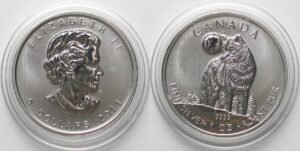
A bullion coin is produced by a government mint and has a stated face value, although its metal content usually determines its market value. Familiar examples are often easy for dealers and private buyers to recognize, which can support resale liquidity. Government-minted coins commonly carry higher premiums than bars of the same weight.
Bullion bars are generally the most efficient format when the goal is to acquire more metal for each dollar spent. They are available in small sizes, such as one ounce, and in larger formats designed for investors making substantial purchases. Larger bars often carry lower premiums per ounce, but they are less flexible if you want to sell only part of your holdings later.
Rounds are privately minted, coin-shaped bullion pieces. They can provide a cost-conscious way to own precious metal, particularly silver, but they do not have legal-tender status. Their resale value depends heavily on the metal content, condition, and recognition of the mint.
For a beginner, the practical balance is usually straightforward: choose products that are easy to recognize, easy to verify, and easy to sell. The lowest premium is valuable, but not if it comes with uncertainty about authenticity or liquidity.
Understand Spot Price and Premium Before You Buy
The spot price is the current market price for a standard quantity of a precious metal, generally quoted per troy ounce. Your final purchase price will usually be higher than spot because physical bullion must be refined, fabricated, transported, insured, and sold through a dealer. That difference is the premium.
A premium is not automatically excessive simply because it exists. The relevant question is whether it is reasonable for the product, quantity, and current market conditions. Small coins, limited-production items, and products with high retail demand usually have higher premiums than larger, plain bars.
Compare the total delivered cost, not just the advertised price. Check whether payment method, order size, shipping, insurance, or taxes affect the final amount. Transparent pricing allows you to see what you are paying for metal and what you are paying for the product format and fulfillment process.
It also helps to think ahead to resale. The spread between a dealer’s selling price and buyback price is part of the ownership cost. Widely recognized products often make this calculation more predictable because there is an established market for them.
Buy Only From a Dealer You Can Verify
Authenticity is the foundation of bullion ownership. A legitimate dealer should clearly identify products, weights, purity, and originating mints or refineries. It should also provide transparent policies for payment, order confirmation, shipping, insurance, and returns where applicable.
Be cautious with prices that appear materially below the broader market. A deeply discounted offer can signal hidden fees, delayed fulfillment, counterfeit risk, or products that are not what the description suggests. Physical bullion is a serious asset purchase. The dealer’s credibility, product sourcing, and logistics standards should matter as much as the price displayed on a screen.
Before ordering, review the purchase terms carefully. Many bullion orders are price-locked once payment is submitted because metal markets move continuously. Understand the accepted payment methods, timing requirements, cancellation policy, and what happens if payment is delayed. Keeping records of confirmations, invoices, and serial numbers for applicable bars supports future verification and insurance documentation.
Plan Secure Delivery and Storage
Insured delivery is not a minor detail. Confirm how your package will be shipped, whether it requires a signature, and what steps you should take if it arrives damaged or appears tampered with. Have a secure delivery plan before placing the order. Avoid leaving valuable shipments unattended or redirecting them without understanding the carrier’s procedures.
Once bullion arrives, inspect the package and product promptly. Verify the weight, purity, and identifying details against your invoice. Do not unnecessarily handle coins with bare fingers or remove products from original assay cards and protective packaging if you intend to preserve resale appeal.
Storage should match the size of your position and your comfort with access versus security. A high-quality home safe can provide immediate access, but it should be properly installed, discreet, and supported by appropriate insurance. A bank safe-deposit box may offer a different security profile, although access can be limited by banking hours and coverage may not be automatic. Professional vault storage can be suitable for larger holdings or investors who want third-party custody and inventory controls.
Whichever option you choose, keep your records private. Broadcasting ownership or posting product images creates an unnecessary security risk. Physical bullion works best when its existence, location, and documentation are handled with the same discretion as any other significant financial asset.
Build the Position With Discipline
A useful bullion buying guide for beginners should make one point clear: there is no universal “perfect” day to buy. Trying to predict every short-term movement in gold or silver can lead to hesitation and inconsistent decisions. Investors with a long-term allocation plan often benefit from purchasing at regular intervals or adding on a schedule that fits their cash flow.
Review your holdings periodically rather than reacting to every price move. If precious metals rise sharply as a percentage of your overall portfolio, rebalancing may be worth considering. If they fall, assess whether your original reason for owning them has changed before making another purchase. Discipline matters more than headlines.
Your first bullion order does not need to accomplish everything. Start with a recognized product, a clear storage plan, and an amount that fits your broader financial position. A carefully documented ounce of physical metal is a stronger beginning than a rushed purchase you do not fully understand.