If you plan to buy bullion, the real decision is not whether gold or silver looks attractive this week. It is whether the product, pricing, and delivery standards behind your purchase support the reason you are buying in the first place – wealth preservation, portfolio diversification, and direct ownership of a tangible asset.
That distinction matters. Physical bullion is not a paper promise, and investors who approach it seriously tend to focus less on marketing and more on authenticity, recognized mint sourcing, purity, and secure delivery. A disciplined purchase starts with understanding what you are buying, why you are buying it, and how to avoid unnecessary friction.
Why investors buy bullion
Most bullion buyers are not looking for speculation alone. They are looking for an asset that can sit outside the banking system, outside corporate earnings cycles, and outside the risks attached to purely digital holdings. Gold often attracts buyers focused on long-term stability and wealth protection. Silver appeals to those who want a lower entry point and, in many cases, more ounces for the same budget. Platinum and palladium can also play a role, though they tend to be more sensitive to industrial demand and may not suit every investor.
The key point is that bullion ownership is usually tied to a broader strategy. Some investors allocate a fixed percentage of their portfolio to precious metals as a hedge against inflation, currency weakness, or market stress. Others build positions gradually over time. There is no single correct allocation, but there should be a clear purpose behind the purchase.
How to buy bullion without avoidable mistakes
A first-time buyer can get overwhelmed quickly because the market offers bars, coins, rounds, different weights, and a wide range of premiums. The simplest way to stay focused is to separate the decision into a few practical questions.
Start with the metal itself. Gold is compact, high in value per ounce, and often favored by investors who want to store significant wealth in a smaller physical footprint. Silver is more accessible for incremental buying, but it takes up more space and can carry wider percentage premiums depending on product type and market conditions. Platinum and palladium are more specialized purchases and may be better suited to investors who understand their volatility and industrial exposure.
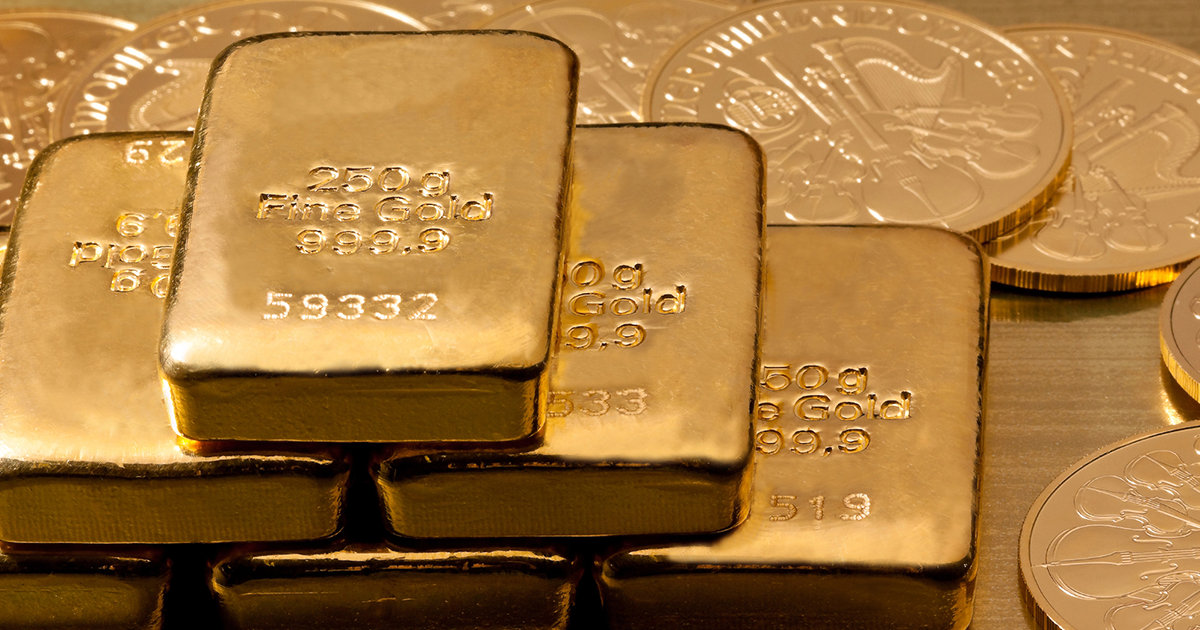
Then consider format. Coins are widely recognized, easy to resell, and often preferred by investors who value liquidity and familiarity. Government-minted products can carry strong market recognition, which may matter when it comes time to sell. Bars usually offer a lower premium per ounce, especially in larger sizes, which can make them efficient for buyers focused on maximum metal weight for the dollar. The trade-off is that very large bars may be less flexible if you want to liquidate part of a position rather than all of it.
Rounds can also be a valid option, particularly in silver, but they do not carry legal tender status and may not have the same level of market recognition as sovereign coins. That does not make them inferior in metal content if sourced properly, but it does mean buyers should pay close attention to the issuer and resale expectations.
What matters most when you buy bullion
The most important factors are usually less exciting than price charts. Authenticity comes first. Investment-grade bullion should come from recognized government or private mints that meet accepted purity standards. Product details should be clear, including metal type, weight, and fineness. If a listing is vague about origin or specifications, that is a reason to pause.
Pricing transparency matters just as much. Bullion prices are built on the spot price of the metal plus a premium that reflects manufacturing, distribution, product type, and market demand. Premiums are not inherently bad. They are part of the real cost of acquiring physical metal. What matters is whether the premium is reasonable for the product category and whether the dealer presents pricing clearly.
Insured delivery is another critical standard. A low price loses its appeal quickly if shipping practices are weak or accountability is unclear. Buyers should know how orders are packed, whether shipments are insured in transit, and what process applies if there is a delivery issue. For many investors, logistics are part of the product.
Coins, bars, and bulk formats
For many portfolios, the choice between coins and bars comes down to flexibility versus efficiency. One-ounce gold coins are popular because they combine recognizable branding, standardized weight, and broad resale appeal. Smaller fractional coins can make sense if flexibility is the top priority, but they often carry higher premiums per ounce.
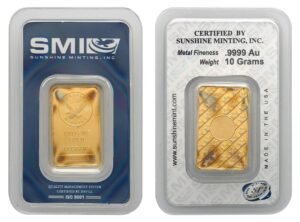
Gold bars become more attractive as order size increases. If the goal is to acquire more ounces at a lower premium, bars are often the efficient route. The same principle applies in silver, especially for investors buying ten-ounce, kilo, or larger wholesale-style formats. Bulk silver purchases can make sense for buyers building a larger position, though storage planning becomes more important as volume rises.
There is no universal best format. A buyer building emergency liquidity may lean toward highly recognizable coins. A buyer focused on long-term accumulation may prefer lower-premium bars. Many experienced investors hold both.
Timing the market versus building a position
A common question is when to buy bullion. The honest answer is that it depends on your objective. If you are trying to catch the perfect entry point, you may end up delaying ownership indefinitely. Precious metals can be volatile in the short term, and no dealer or analyst can promise the best day to buy.
For investors using bullion as a long-term store of value, a measured accumulation strategy is often more realistic than trying to call every market move. Buying in stages can reduce the pressure of timing and help smooth out short-term price swings. That approach may be especially useful for first-time buyers who want to establish a position without committing their full allocation at once.
That said, pricing still matters. Watching the relationship between spot price and premium can tell you more than spot price alone. Sometimes a slightly lower metal price is offset by stronger retail demand and wider premiums. In other periods, the spot price may look higher, but product availability and premiums are more favorable. Discipline is better than urgency.
Storage and ownership considerations
Buying bullion is only part of the decision. You also need a realistic plan for storage. Some investors prefer direct possession at home because it offers immediate access and personal control. That approach can work, but it also requires serious attention to security, discretion, and insurance.
Others prefer professional storage or vaulting arrangements, especially for larger holdings. That can improve security and reduce household risk, though it introduces a third-party storage relationship that should be evaluated carefully. The right choice depends on position size, privacy concerns, access preferences, and risk tolerance.
What matters most is clarity. You should know where your metal will be stored, who has access to it, and how ownership is documented. Physical ownership works best when there is no ambiguity around control.
Choosing a dealer when you buy bullion online
Online purchasing has made bullion more accessible, but it also raises the importance of dealer standards. Product breadth is useful, but trust is nonnegotiable. A credible dealer should present recognized products, clear specifications, transparent pricing, secure checkout, and insured fulfillment. Educational support also matters because investors often need guidance on product selection, storage, and order sizing.
This is where serious buyers distinguish between a promotional storefront and a long-term bullion partner. A dependable dealer is not simply selling metal. It is reducing uncertainty around authenticity, sourcing, and delivery. Omega Bullion Vault is built around that expectation, with a focus on investment-grade products, secure purchasing, and disciplined execution for both new and experienced buyers.
For larger orders, bulk capability and custom sourcing can also matter. High-net-worth buyers, institutions, and repeat investors often need more than standard retail inventory. The ability to source recognized products and handle substantial transactions with the same attention to documentation and logistics is a meaningful advantage.
A disciplined way to move forward
The best bullion purchase is usually not the most complicated one. Decide what role precious metals should play in your portfolio. Choose the metal and format that fit that role. Verify purity, mint recognition, premium structure, and delivery protections. Then buy from a dealer whose standards support long-term confidence, not short-term excitement.
Bullion works best when it is treated as a serious asset. If your purchase gives you confidence in what you own, how it was sourced, and how it will be delivered and stored, you are already making the kind of decision that tends to hold up well over time.