Silver rounds can offer one of the most direct ways to own physical silver without paying the higher premiums often attached to government-issued coins. Knowing how to buy silver rounds starts with understanding what you are purchasing: investment-grade bullion valued primarily for its silver content, not its face value or collectible appeal.
For investors building a tangible allocation for diversification, inflation concerns, or long-term wealth preservation, rounds can be a practical format. The right purchase, however, depends on more than choosing the lowest listed price. Purity, dealer credibility, premiums, resale recognition, delivery, and storage all deserve consideration before funds are committed.
What Is a Silver Round?
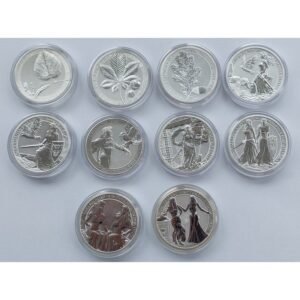
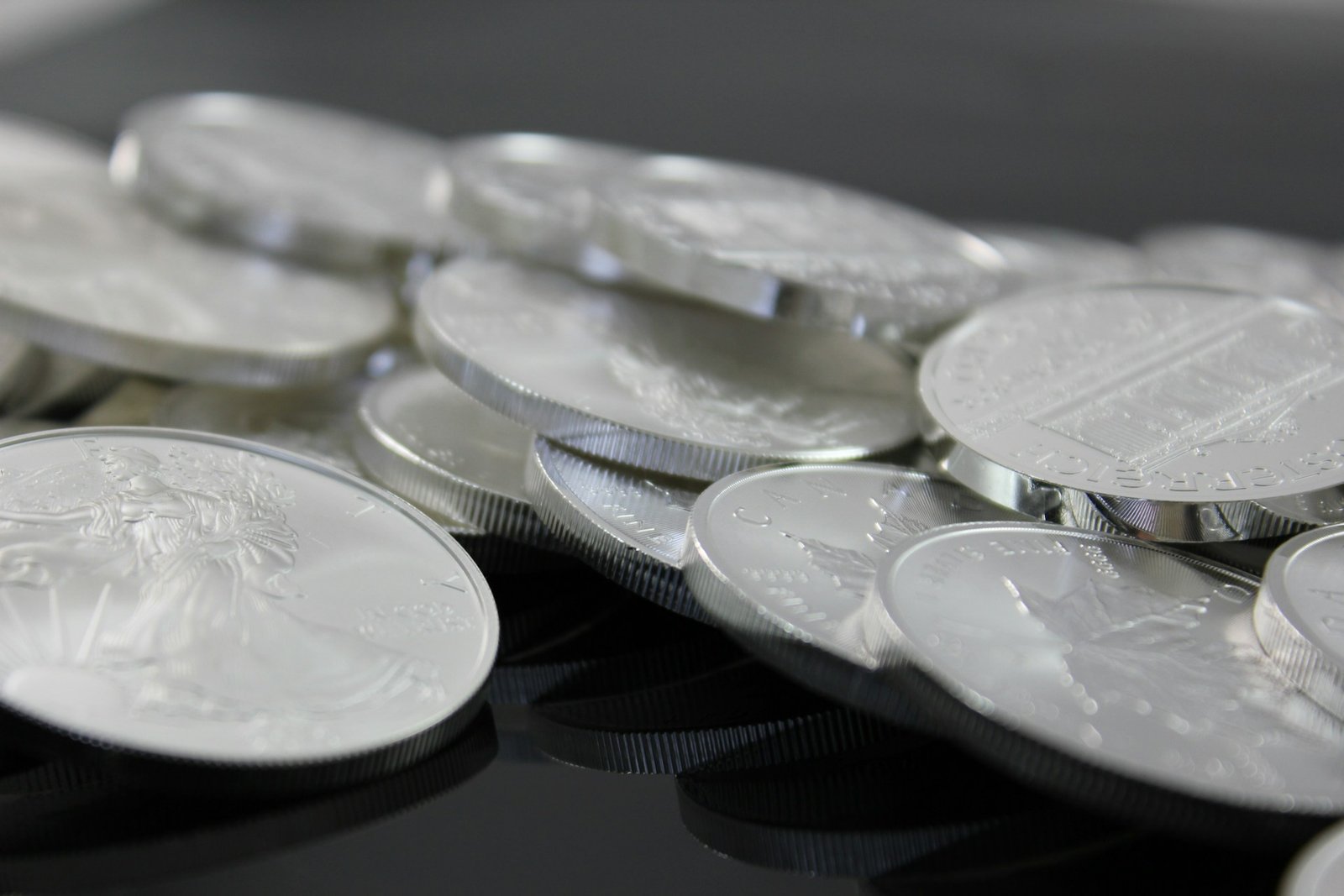
A silver round is a privately minted piece of bullion, usually shaped like a coin but not issued as legal tender by a government. Most investment-grade rounds contain one troy ounce of .999 fine silver, although fractional sizes and larger formats are also available.
Rounds are commonly produced by respected private mints and refineries. Their designs may feature mint branding, patriotic imagery, historical themes, or simple bullion markings. What matters most to an investor is that the round clearly identifies its weight and purity and comes from a recognized source with established quality controls.
Unlike a government bullion coin, a round does not carry a legal-tender denomination. That difference often means lower production costs and, in many cases, a lower premium over the silver spot price. For buyers focused on accumulating ounces efficiently, that can be a meaningful advantage.
How to Buy Silver Rounds: Start With Your Objective
Before comparing products, decide what role silver will serve in your broader holdings. A buyer seeking the most silver for a set budget may prioritize low-premium one-ounce rounds or larger silver bars. A buyer who values maximum flexibility for future sales may prefer widely recognized one-ounce rounds from established private mints.
Silver rounds are generally best suited to investors who want straightforward physical exposure to silver. They are less appropriate if your primary goal is numismatic collecting, where rarity, condition, mintages, and historical importance can matter more than metal content.
Your time horizon also matters. Physical silver is typically held as a long-term asset rather than traded frequently. Buying and selling involve dealer spreads, shipping considerations, and market price movement. A disciplined allocation strategy is usually more useful than attempting to predict every short-term move in the silver market.
Understand Spot Price and Premiums
The spot price is the quoted market price for one troy ounce of silver before fabrication, distribution, dealer operations, and other costs. You will not normally buy physical silver rounds at spot price. Instead, you pay the spot price plus a premium.
That premium is not automatically a sign of poor value. It reflects the cost of refining, minting, packaging, inventory management, secure handling, and dealer service. The relevant question is whether the premium is reasonable for the product, order size, and current market conditions.
Premiums can rise when retail demand is strong, supply is constrained, or transportation and minting costs increase. They may be lower on generic rounds, larger-volume orders, or products that are readily available. Compare the final per-ounce price, not only the premium percentage or headline product price.
For example, a lower-priced round from an unfamiliar producer may not be the better value if it is harder to verify or less familiar to future buyers. Conversely, paying a modest additional premium for a recognized private mint can improve confidence at resale. The right balance depends on whether your priority is the lowest cost per ounce, broad market recognition, or both.
Choose Weight, Purity, and Mint Recognition
One-ounce .999 fine silver rounds are the standard choice for many individual investors. They are easy to calculate, broadly understood in the bullion market, and convenient to sell in smaller portions if needed. Ten-ounce rounds and other larger formats may reduce the premium per ounce, but they offer less flexibility when you want to liquidate only part of your position.
Look for clear markings that state the weight and fineness, such as “1 Troy Ounce” and “.999 Fine Silver.” These markings should be precise, legible, and consistent with the issuing mint’s specifications.
Recognized private mints are especially valuable for first-time buyers. Their products are familiar to dealers and other market participants, which supports easier authentication and resale. A round does not need an elaborate design to be investment-worthy. A well-known source, stated purity, and consistent production standards carry far more importance than decorative packaging.
Generic silver rounds can also be suitable when priced attractively and supplied through a trusted dealer. The trade-off is that generic inventory may vary by design and mint. If you prefer a particular producer, confirm the exact product rather than assuming all rounds in a generic category will be identical.
Buy From a Dealer That Makes Verification Clear
Physical bullion requires confidence in both the product and the transaction. Work with a dealer that provides clear specifications, transparent pricing, recognized mint sourcing, and defined shipping practices. Product listings should identify the metal type, purity, weight, and whether the item is new, secondary-market, or selected at the dealer’s discretion.
Be cautious with offers that appear dramatically below prevailing market prices. Silver is a globally traded commodity, and legitimate bullion dealers operate within relatively visible pricing ranges. An unusually low offer can indicate hidden fees, misleading product descriptions, delayed fulfillment, or counterfeit risk.
A credible dealer should also communicate how payment is processed, when prices are locked, what happens after an order is placed, and how shipments are protected. For online purchases, insured delivery and discreet, secure packaging are meaningful safeguards rather than optional details.
At Omega Bullion Vault, the focus is on investment-grade bullion sourced from recognized mints, with transparent product information and insured delivery designed to support secure physical ownership.
Select a Payment Method Deliberately
Payment options can affect both your purchase price and order processing timeline. Bank wires may carry lower transaction costs on larger orders, while card payments can offer convenience but may involve higher processing costs. Some dealers also accept checks or other payment methods, each with its own clearance period.
Review the final order total before payment. This should include the bullion price, any payment-related charges, applicable sales tax, and shipping or insurance costs where relevant. A transparent transaction does not leave these details until after you have committed to the purchase.
Once the price is locked, market movement generally does not change your order total. That protects you if silver rises after your purchase, but it also means you should be ready to complete payment according to the dealer’s stated terms. Avoid placing an order until your funds are available and your purchasing decision is settled.
Plan Delivery and Storage Before Ordering
Owning physical silver means deciding where it will be held. For a modest position, a secure home safe may be appropriate if it is properly anchored, discreet, and covered by suitable insurance. As holdings grow, investors may prefer professional vault storage for enhanced security, inventory controls, and insurance arrangements.
Do not leave bullion in visible locations or rely on ordinary household hiding places. The goal is controlled access, privacy, and protection against theft, fire, and accidental loss. Keep purchase records, order confirmations, and photographs of your holdings in a separate secure location.
When a shipment arrives, inspect the package promptly and follow the dealer’s delivery instructions. Confirm the number of items, stated weight, and visible product markings. Avoid opening sealed mint packaging unnecessarily if you intend to preserve its condition, especially for products sold in tubes or protective sleeves.
For larger purchases, consider whether delivery should be made to a secure location rather than an address where packages may remain unattended. Insured shipping protects the transaction in transit, but careful receipt procedures remain part of responsible ownership.
Know What Resale May Look Like
Silver rounds are usually sold back to bullion dealers, local coin shops, private buyers, or through established secondary-market channels. The resale price will generally be based on the current silver spot price, less a dealer buyback spread. Highly recognizable rounds may receive more consistent offers than obscure products, though market conditions always influence demand.
This is why buying recognizable bullion at a sensible premium matters. The cheapest item at the time of purchase is not always the most efficient holding when it comes time to sell. Keep rounds in good condition, retain original packaging when practical, and maintain a record of what you own.
Avoid treating physical silver as an emergency cash substitute. While it can be sold, the process is not as immediate as moving funds from a bank account. A separate cash reserve helps ensure you can hold bullion according to your investment plan rather than selling because of a short-term expense.
Make Each Purchase Fit a Long-Term Plan
A silver round is a simple object, but a well-considered purchase reflects a larger discipline: buying verified metal, understanding the total cost, securing it properly, and maintaining realistic expectations about price movement and resale. Start with products you can easily identify and explain, then add to your position at a pace that fits your broader financial strategy.
Physical silver is most useful when it is held with purpose, not purchased in response to urgency or market noise. Confidence comes from knowing exactly what you own, why you own it, and how it will remain protected over time.