Wealth preservation is not achieved by chance. It is the result of deliberate asset selection, disciplined allocation, and a clear understanding of how different financial instruments behave under pressure. Precious metals, particularly gold and silver, have consistently proven their ability to protect wealth across economic cycles, currency shifts, and systemic disruptions.
Unlike conventional financial assets that depend on institutional frameworks, corporate performance, or government policy, precious metals exist independently of financial systems. Their value is not derived from promises, contracts, or projected earnings, but from intrinsic characteristics that have been recognized globally for centuries. This independence is what gives precious metals their unique ability to preserve purchasing power when other assets weaken.
In a financial environment where uncertainty is not an exception but a recurring condition, understanding how precious metals function as protective assets is essential for long-term financial security.
PROTECTION AGAINST INFLATION AND CURRENCY DECLINE
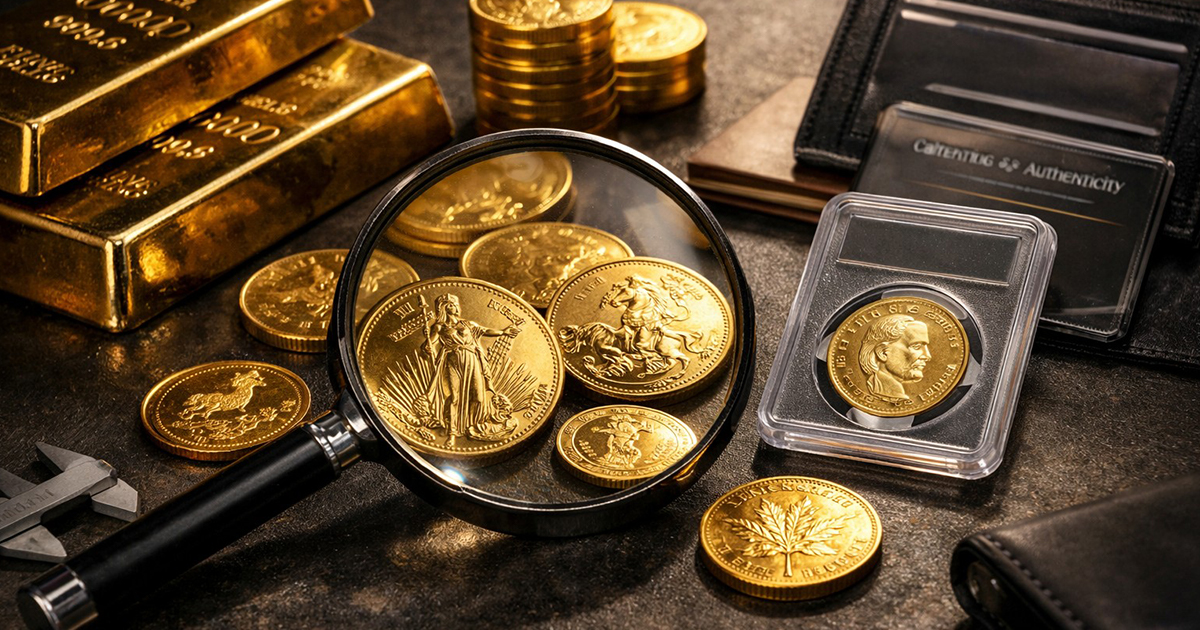
Inflation is one of the most consistent threats to wealth. As the cost of goods and services rises, the purchasing power of currency declines, eroding the real value of savings and fixed income assets. Precious metals have historically acted as a counterbalance to this process, maintaining their value even as currencies weaken.
Gold, in particular, has demonstrated a strong inverse relationship with currency strength over extended periods. When inflation accelerates and central banks expand monetary supply, investors often shift towards gold and silver to preserve value. This movement is not speculative. It reflects a structural reality in which tangible assets retain purchasing power while paper currencies lose it.
Silver also plays a role in this dynamic, although with greater sensitivity to both inflation and industrial demand. Its ability to respond to multiple economic forces reinforces its relevance as a protective asset within a diversified portfolio.
For investors seeking to maintain the real value of their wealth, precious metals provide a level of protection that few other assets can offer.
DEFENSE DURING ECONOMIC AND FINANCIAL INSTABILITY

Periods of economic instability expose the vulnerabilities of traditional financial systems. Market downturns, banking disruptions, and geopolitical tensions can rapidly erode confidence in conventional assets. During such times, capital tends to flow towards assets that are perceived as stable, liquid, and independent.
Precious metals consistently attract this shift in capital. Their role as safe-haven assets is supported by historical patterns in which gold and silver maintain or increase in value while other asset classes decline. This behavior is driven by trust. Investors recognize that precious metals are not subject to default, insolvency, or systemic failure.
Gold is often the primary beneficiary of this flight to safety, but silver also participates, particularly when broader demand strengthens. Together, they provide a layer of protection that stabilizes portfolios during periods of uncertainty.
Holding precious metals is not a reaction to instability. It is a preparation for it.
PRESERVATION OF PURCHASING POWER OVER TIME
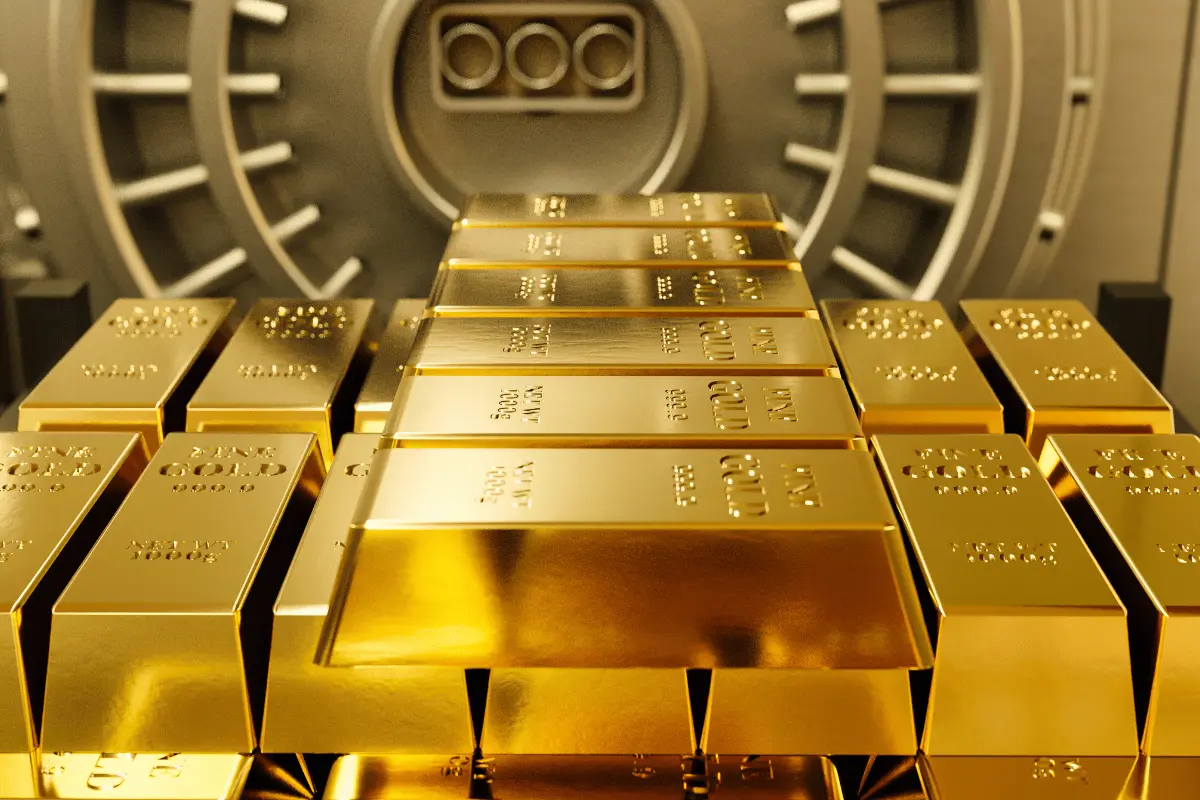
Wealth is not defined by nominal value alone. It is defined by what that value can purchase. Over long periods, currencies may lose significant purchasing power due to inflation, policy decisions, and economic cycles. Precious metals, by contrast, have demonstrated a consistent ability to retain purchasing power across generations.
This preservation is not theoretical. It is observable in the long term relationship between gold and the cost of essential goods. While currency values fluctuate, the purchasing power of gold has remained relatively stable, allowing it to function as a reliable store of value.
Silver, while more volatile in the short term, also contributes to this long term preservation, particularly when accumulated strategically over time.
For investors focused on maintaining wealth across decades rather than reacting to short term fluctuations, precious metals provide a stable foundation.
INDEPENDENCE FROM FINANCIAL SYSTEMS AND COUNTERPARTY RISK

One of the most important characteristics of precious metals is their independence from financial systems. Unlike stocks, bonds, or digital assets, physical gold and silver do not rely on third party performance or institutional guarantees.
This eliminates counterparty risk. There is no dependency on a corporation’s profitability, a bank’s solvency, or a government’s fiscal policy. Ownership is direct, and value is inherent.
In an increasingly complex financial environment, where systemic risks can emerge unexpectedly, this independence provides a level of security that is difficult to replicate through other assets.
For investors seeking certainty in uncertain systems, this characteristic alone justifies the inclusion of precious metals in a portfolio.
PORTFOLIO DIVERSIFICATION AND RISK REDUCTION

Diversification is a fundamental principle of risk management. A well-structured portfolio includes assets that respond differently to economic conditions, reducing overall volatility and enhancing long-term stability.
Precious metals serve as a counterbalance to traditional financial assets. When equity markets decline or currency values weaken, gold and silver often perform differently, providing stability within the portfolio.
This diversification effect is not incidental. It is the result of precious metals responding to different economic drivers than stocks, bonds, or currencies. By including them in a portfolio, investors reduce exposure to a single source of risk and create a more resilient financial structure.
Diversification is not about maximizing returns in one area. It is about protecting the entire portfolio.
LONG TERM STRATEGIC VALUE AND GLOBAL DEMAND
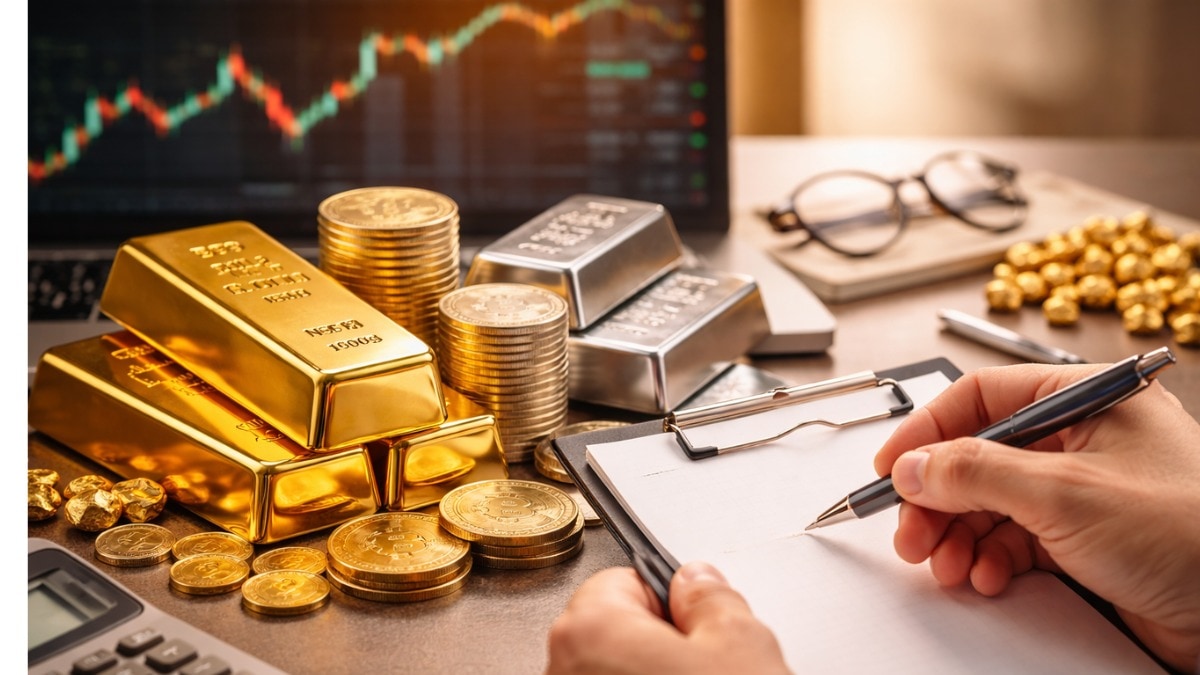
The value of precious metals is reinforced by sustained global demand. Gold is held by central banks as part of national reserves, reflecting its role as a strategic asset at the highest levels of financial management. Silver continues to see strong demand across industrial sectors, particularly in technology and renewable energy.
This combination of monetary and industrial demand supports long-term value and ensures that precious metals remain relevant in both traditional and modern economic systems.
Unlike assets that depend on specific industries or market trends, precious metals benefit from broad and consistent demand, strengthening their position as long-term investments.
CONCLUSION

Precious metals protect wealth through a combination of intrinsic value, global recognition, and independence from financial systems. Their ability to preserve purchasing power, provide stability during economic uncertainty, and reduce overall portfolio risk makes them indispensable in serious investment strategies.
This protection is not based on short term market performance, but on structural characteristics that have remained consistent over time. Investors who understand these characteristics are better positioned to safeguard their wealth against the uncertainties of modern financial systems.
In an environment where risk is constantly evolving, precious metals offer clarity, stability, and control. They are not simply assets to be held, but strategic instruments that support long-term financial strength and resilience.