A one-ounce silver coin can be easy to buy, store, and recognize. A 1,000-ounce bar can offer a lower cost per ounce but requires a very different storage plan. That distinction is central to buying silver bullion well: the metal may be the same, but the format, premium, liquidity, and logistics can materially affect the value of your purchase.
For investors seeking tangible assets outside the banking system, silver offers direct physical ownership at a lower entry price than gold. It is also an internationally traded precious metal with established purity standards and broad recognition. The right purchase is not necessarily the lowest-priced product on a given day. It is the product that fits your objectives, budget, holding period, and ability to store it securely.
What Is Silver Bullion?
Silver bullion is investment-grade silver valued primarily for its precious metal content rather than its rarity, craftsmanship, or collectible appeal. It is commonly available as government-minted coins, privately minted rounds, and cast or minted bars. Most investment products contain .999 fine silver, while some recognized coins use slightly different specifications established by their issuing mints.
Bullion pricing begins with the silver spot price, which is the market price for an ounce of silver before fabrication, distribution, and dealer costs. Physical products sell at a premium above spot. That premium covers minting, refining, transportation, inventory, insurance, and dealer operations. When selling, investors generally receive a price based on spot plus or minus a buyback spread, depending on the product and market conditions.
This is why investors should distinguish between silver’s quoted market price and the all-in price of the physical product. Spot matters, but the premium matters too.
Why Investors Hold Physical Silver
Silver is not a guaranteed hedge against every economic event, and its price can be volatile. It should be viewed as one component of a broader asset-protection strategy rather than a short-term trading substitute. Its appeal rests on several practical characteristics.
First, physical silver is a tangible asset held directly by its owner. It does not rely on the performance of a corporation, the repayment ability of a borrower, or access to a brokerage account. Second, silver has both monetary history and industrial demand. It is used in applications ranging from electronics and solar technology to medical and manufacturing processes. That dual role can create opportunity, but it can also contribute to price swings.
Third, silver allows investors to acquire meaningful precious metal exposure in smaller dollar increments. For buyers building a position gradually, one-ounce coins, rounds, and smaller bars can make regular purchases more manageable. For larger allocations, wholesale-format bars may reduce the premium paid per ounce.
The trade-off is simple: silver takes up more space than gold for the same dollar value. A substantial silver position requires thoughtful planning for storage, insurance, and transport.
Choosing Silver Bullion Formats
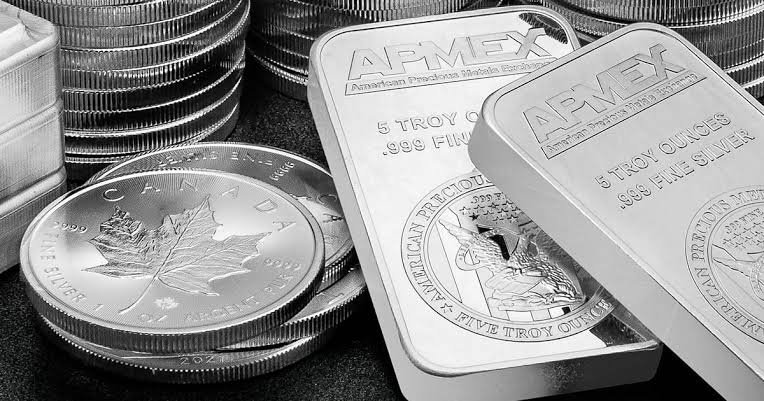
The best format depends on what matters most to you: low acquisition cost, easy resale, recognizable mint origin, or compact purchasing at scale.
Government-Minted Silver Coins
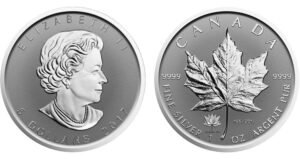
Coins issued by recognized sovereign mints are often the most familiar choice for first-time buyers. Examples include one-ounce legal-tender bullion coins produced by established national mints. Their purity, weight, and origin are widely understood in the global bullion market.
These products typically carry higher premiums than generic rounds or larger bars. In return, investors receive strong recognition and often straightforward resale liquidity. For an investor who expects to sell small portions over time, that flexibility may justify the additional cost.
Silver Rounds
Rounds are bullion pieces that resemble coins but are produced by private mints and do not carry legal-tender face value. Reputable private-mint rounds generally contain the same .999 fine silver as many government bullion coins.
They often offer a cost-efficient way to accumulate ounces, particularly when premiums on sovereign coins rise. The key is to buy products from established refiners and mints with clear weight and purity markings. Generic does not mean inferior, but recognition and condition still affect resale interest.
Silver Bars
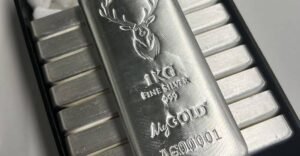
Bars are available in sizes ranging from one ounce to 1,000 ounces. Smaller bars can be convenient for gifting, incremental accumulation, or dividing holdings. Ten-ounce and kilo bars often sit in a practical middle ground between manageable size and lower premiums.
For high-volume buyers, 100-ounce and 1,000-ounce bars can provide efficient exposure to silver by reducing fabrication costs per ounce. Yet lower premiums come with practical limits. A large bar is harder to divide, heavier to move, and may be less suitable for an investor who wants to liquidate only a small amount at a time.
How to Evaluate Price, Purity, and Recognition
When comparing products, start with the total price per ounce rather than the headline price of a single item. Divide the full purchase price by the number of troy ounces to see the actual cost of your silver exposure. A troy ounce is the standard precious-metals unit and differs from a standard avoirdupois ounce used for everyday goods.
Then consider four factors before placing an order:
- Purity and weight: Look for clearly stated specifications, such as .999 fine silver and the exact troy-ounce weight.
- Mint or refiner recognition: Products from globally recognized government and private mints tend to be easier for dealers and buyers to evaluate.
- Premium and resale spread: Lower premiums can improve entry efficiency, while recognized coins may offer advantages when selling in smaller quantities.
- Condition and packaging: Keep bullion in its original protective packaging when possible. Avoid unnecessary handling, which can cause marks and reduce buyer preference for certain products.
A product with a slightly higher premium may be more suitable if its liquidity, recognition, or divisibility better supports your plan. Conversely, a buyer focused on long-term ounces accumulated at scale may reasonably prioritize lower-premium bars or rounds.
Buying Silver Bullion With Confidence
Physical precious metals demand careful dealer selection. Price alone is not an adequate measure of value when authenticity and fulfillment are involved. A disciplined purchase process should include reviewing the dealer’s product specifications, price transparency, payment terms, shipping procedures, and reputation for supplying recognized bullion.
Confirm that the listing identifies the metal content, weight, product condition, and mint or refiner where applicable. Understand whether the product is in stock, on a delay, or subject to market availability. During periods of strong demand, premiums and delivery timelines can change quickly, especially for popular one-ounce coins.
Secure logistics matter as much as product selection. Insured shipment, discreet handling, and clear delivery procedures help protect the transaction from the time an order is confirmed until it arrives. For significant orders, investors should also consider whether signature requirements and secure delivery locations are appropriate.
At Omega Bullion Vault, the purchasing focus is centered on investment-grade products, recognized purity standards, transparent pricing, and insured delivery so investors can acquire physical metals with a clear understanding of what they own.
Storage Is Part of the Investment Decision
Owning physical silver means deciding where it will be kept before you buy. Home storage can provide immediate access and personal control, but it requires a quality safe, discretion, and a review of insurance coverage. Storing metals in an obvious location or discussing holdings publicly adds avoidable risk.
Professional vault storage may be more appropriate for larger positions, especially when weight and volume become significant. Before selecting any storage arrangement, understand whether the silver is allocated, how it is insured, who has title to the metal, and what procedures apply for audits, withdrawal, or sale.
Investors should keep purchase records, invoices, and product details organized. This supports insurance documentation, future resale, and tax reporting. Tax treatment varies by jurisdiction and individual circumstances, so professional tax guidance can be appropriate before a major purchase or sale.
A Measured Approach to Building a Silver Position
Trying to identify the perfect entry price can distract from the broader purpose of owning bullion. Silver prices can move sharply in either direction, sometimes over short periods. Investors who make purchases gradually may reduce the pressure of committing their entire allocation at one moment in the market.
Consider establishing a target allocation based on your total financial picture, risk tolerance, liquidity needs, and investment time horizon. Avoid using funds needed for near-term expenses or emergency reserves. Physical silver can be sold, but the timing and sale price are not guaranteed, and large holdings may not be as immediately accessible as cash.
A well-chosen silver position is built around ownership quality, not market excitement. Select recognized products, pay attention to all-in cost, arrange secure storage, and keep your purchase records in order. Those habits give physical silver its proper place: a tangible, carefully acquired asset held with patience and purpose.