
Understanding how bullion is priced is essential for any investor entering the precious metals market. Unlike conventional products, bullion does not have a fixed retail price. Its value is determined through a structured pricing system that reflects global market activity, real-time supply and demand, and the cost of bringing physical metal to market.
For investors, clarity on pricing is not optional. It is a fundamental requirement for making informed decisions, avoiding unnecessary costs, and ensuring that capital is deployed efficiently. A clear understanding of how pricing works transforms the buying process from uncertainty into precision.
THE SPOT PRICE FOUNDATION
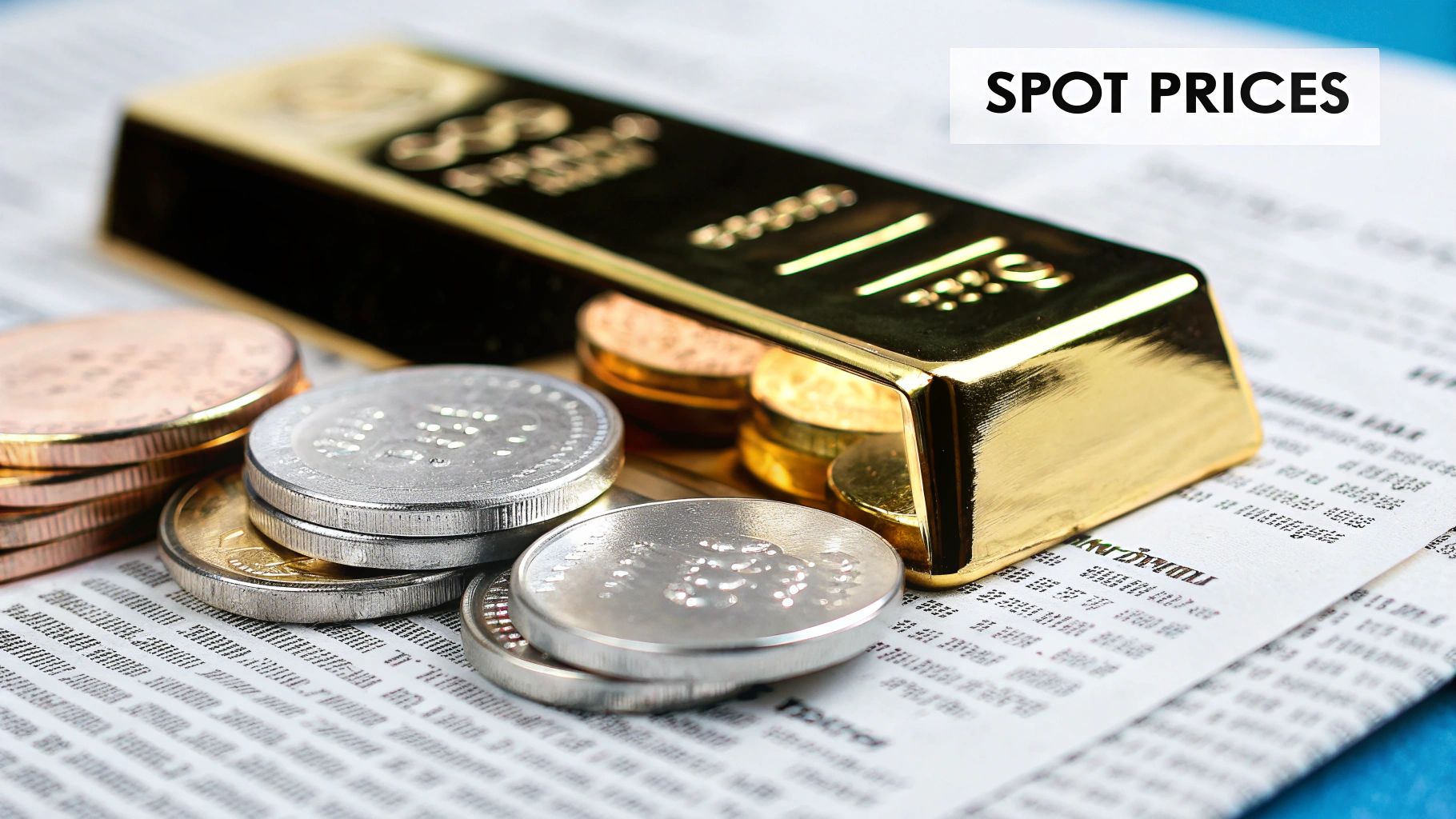
At the core of bullion pricing is the spot price. This is the current market value of gold or silver as determined by global trading activity across major financial markets.
The spot price is not set by a single entity. It is continuously updated based on real-time transactions between buyers and sellers worldwide. This includes activity in major trading hubs where large volumes of precious metals are exchanged.
The spot price reflects the raw value of the metal itself, without any additional costs. It serves as the universal benchmark upon which all bullion transactions are built.
WHAT IS A PREMIUM AND WHY IT EXISTS
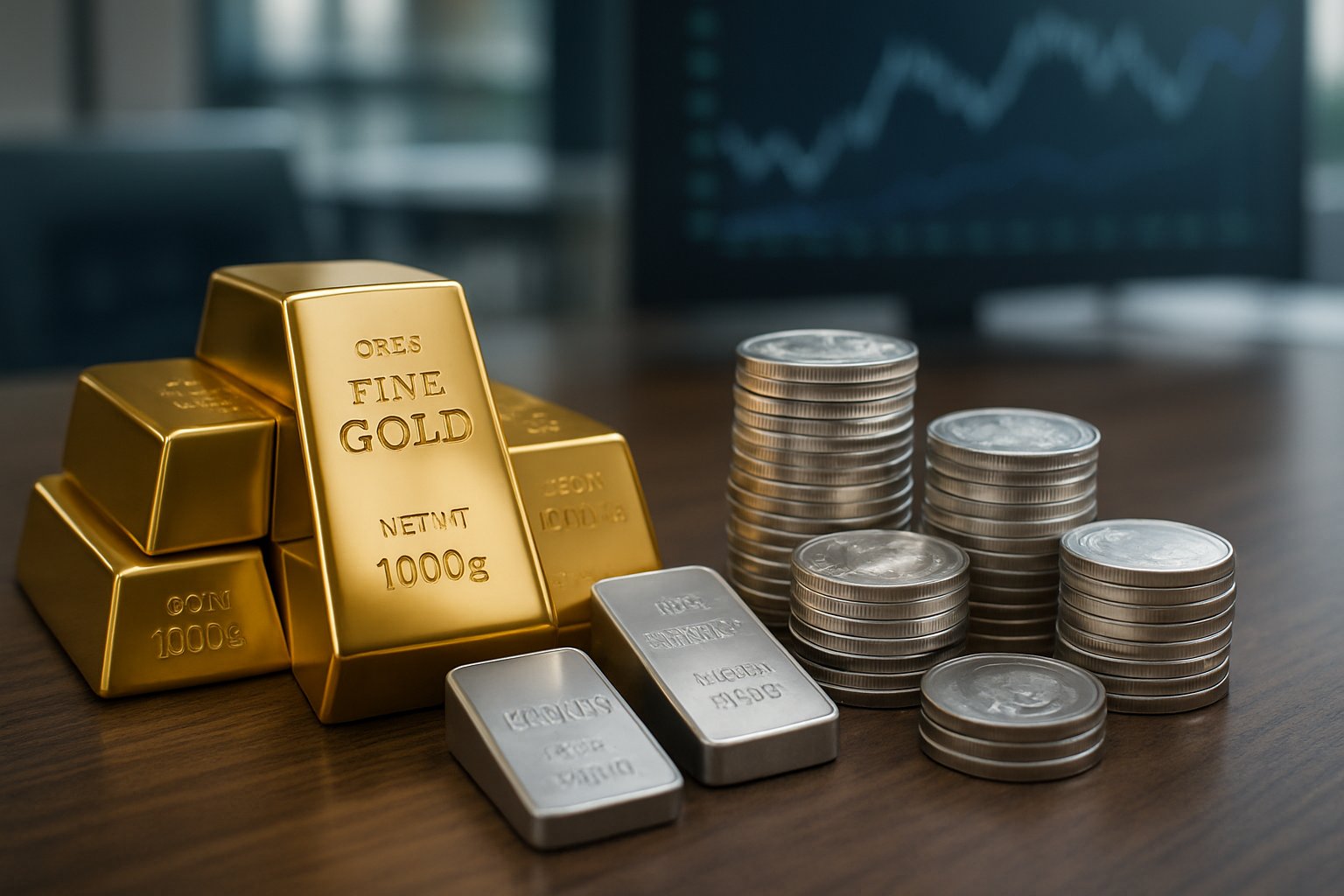
The price you pay for physical bullion is always higher than the spot price. The difference between the spot price and the final purchase price is known as the premium.
Premiums exist because physical bullion must be refined, minted, transported, secured, and distributed before it reaches the investor. These processes involve real costs that are reflected in the final price.
Key components of the premium include:
• Refining and production costs
• Minting and fabrication
• Logistics and secure transportation
• Storage and handling
• Dealer operational margins
Premiums vary depending on the product, with smaller units typically carrying higher premiums and larger bars offering more cost efficiency.
MARKET DEMAND AND PRICE MOVEMENT

Bullion pricing is directly influenced by global demand. When demand increases, particularly during economic uncertainty or inflationary periods, prices tend to rise. This is driven by investors seeking safe and tangible assets.
Industrial demand also plays a role, especially in the silver market, where usage in manufacturing and technology contributes to overall demand levels.
Central bank activity further impacts pricing. When central banks accumulate gold reserves, it signals confidence in gold as a long-term asset, often influencing broader market sentiment.
These demand factors interact with supply constraints, creating the dynamic price environment seen in global bullion markets.
SUPPLY AND PRODUCTION FACTORS
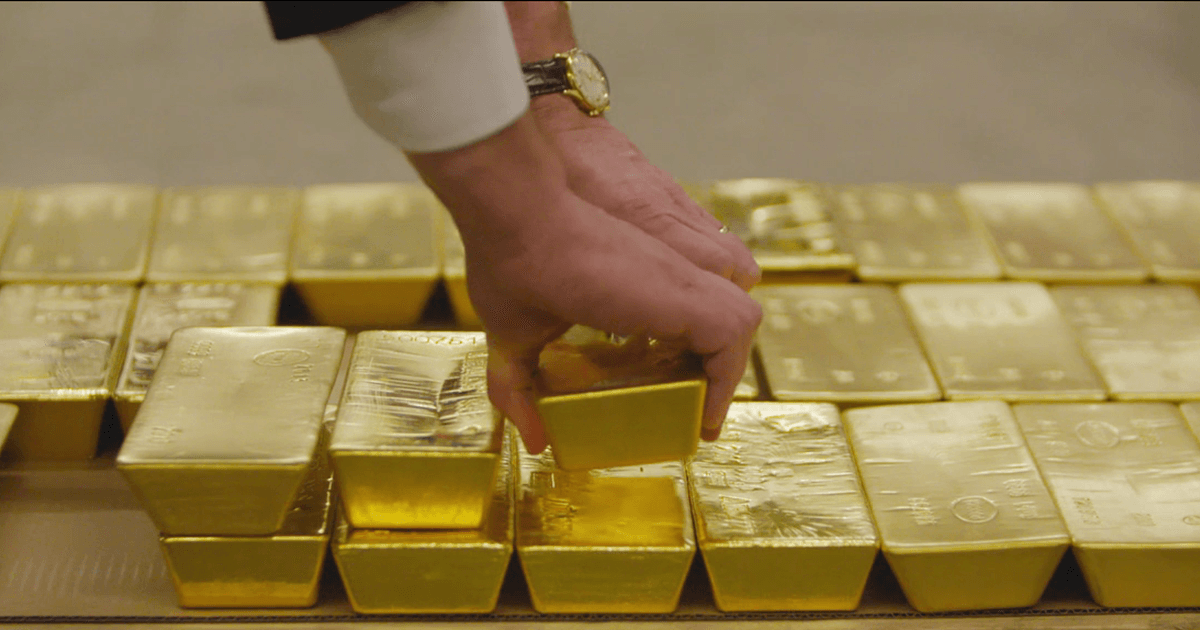
Unlike currency, precious metals cannot be produced instantly. Supply depends on mining output, which is influenced by geological availability, production costs, and operational constraints.
When production slows or becomes more expensive, supply tightens, which can support higher prices. Conversely, increased production can stabilize or reduce price pressure, depending on demand levels.
Recycling of existing gold and silver also contributes to supply, particularly during periods of high prices when holders are more likely to sell.
The balance between supply and demand is a constant force shaping bullion pricing.
PRODUCT TYPE AND PRICE VARIATION

Not all bullion products are priced equally, even when they contain the same amount of metal.
Gold coins often carry higher premiums due to minting quality, design, and strong retail demand. Their recognition and liquidity contribute to their pricing.
Gold bars, especially larger ones, typically have lower premiums. This makes them more efficient for investors focused on maximizing metal weight relative to cost.
The choice of product directly affects the total price paid and should align with the investor’s strategy.
TIMING AND PRICE ENTRY

While long-term investors focus on accumulation, timing still plays a role in optimizing entry points.
Market conditions such as interest rate changes, inflation trends, and global economic events can create opportunities for more favorable pricing. Understanding these factors allows investors to enter the market with greater awareness rather than reacting to short-term fluctuations.
However, attempting to perfectly time the market is less effective than maintaining a disciplined and consistent investment approach.
TRANSPARENCY AND FAIR PRICING

Transparency is one of the most important elements in bullion pricing. A reputable supplier provides clear breakdowns of pricing, including the spot price and the premium.
Hidden costs or unclear pricing structures can lead to overpayment and reduced investment efficiency. Investors should always understand exactly what they are paying for and why.
A transparent pricing model builds trust and ensures that the investment process remains clear and controlled.
STRATEGIC IMPLICATIONS FOR INVESTORS

Understanding pricing is not just about cost awareness. It directly impacts investment performance.
Lower premiums allow for greater accumulation of physical metal. Higher liquidity products may justify higher premiums due to ease of resale. Balancing these factors ensures that the portfolio is both efficient and flexible.
Investors who understand pricing dynamics are better equipped to make decisions that align with long-term objectives rather than short-term market noise.
CONCLUSION

Bullion pricing is a structured system built on global market fundamentals, production realities, and distribution processes. It is not arbitrary, nor is it fixed. It reflects the real-time interaction between supply, demand, and the cost of delivering physical assets to investors.
For those who understand this system, pricing becomes a tool rather than a barrier. It allows for precise decision-making, efficient capital allocation, and greater confidence in every transaction.
A disciplined approach to bullion pricing ensures that each investment is made with clarity, control, and a full understanding of value. In a market where transparency and precision define success, knowledge of pricing is one of the most powerful advantages an investor can possess.