The question of when to buy gold and silver is one of the most critical considerations in bullion investment. It is also one of the most misunderstood. The objective is not to identify a perfect moment or predict exact price bottoms, but to understand the conditions under which value is most favorable. Gold and silver are influenced by global economic forces, monetary policy decisions, and investor sentiment, all of which shape their price behavior over time.
For disciplined investors, timing is approached as a structured process rather than a speculative exercise. Recognizing patterns in economic cycles, understanding how markets react to policy changes, and identifying periods of undervaluation allow for more efficient capital deployment. This approach transforms buying decisions from reactive responses into deliberate and informed actions.
ECONOMIC CYCLES AND MARKET TIMING

Gold and silver move in response to broader economic cycles, which are defined by phases of growth, contraction, and recovery. During periods of strong economic expansion, investor confidence tends to shift towards risk based assets, reducing demand for bullion and often stabilizing or lowering prices. These conditions frequently create more favorable entry points for long-term investors who are willing to accumulate when market attention is elsewhere.
As economic conditions weaken or uncertainty increases, demand for gold and silver rises. Investors begin to seek stability and protection, driving prices upwards. The most strategic timing often occurs before this shift becomes widely recognized. Entering the market during early stages of uncertainty or when economic signals begin to weaken allows investors to position themselves ahead of broader demand.
Understanding economic cycles is therefore not about reacting to market peaks, but about identifying the transition points where sentiment begins to change and value opportunities emerge.
INFLATION, INTEREST RATES, AND MONETARY POLICY

Inflation and interest rates are among the most influential factors affecting the timing of gold and silver purchases. Rising inflation reduces the purchasing power of currency, increasing the appeal of tangible assets that can preserve value. However, the most effective timing is often before inflation fully impacts market pricing, when metals remain relatively undervalued.
Interest rates operate in the opposite direction. When rates are low, the opportunity cost of holding non-yielding assets such as gold and silver decreases, making them more attractive. When rates rise, demand may temporarily weaken, creating potential entry points for investors focused on long term accumulation.
Central bank policies provide critical signals in this context. Monetary easing, liquidity expansion, and economic stimulus measures often precede increases in bullion demand. Investors who monitor these signals gain insight into future price direction and can act with greater precision.
MARKET SENTIMENT AND VALUE OPPORTUNITIES

Investor behavior plays a significant role in bullion pricing. Markets are influenced not only by economic fundamentals, but also by perception, confidence, and emotion. Periods of low interest in gold and silver often coincide with undervaluation, as capital flows into other asset classes.
These moments of reduced attention present some of the strongest buying opportunities. When bullion is not the focus of the market, pricing tends to reflect lower demand, allowing investors to accumulate at more favorable levels.
Conversely, when gold and silver dominate headlines and attract widespread attention, prices often reflect peak demand conditions. Buying during these periods can result in higher entry costs and reduced long-term efficiency.
Strategic timing requires the ability to act independently of market sentiment, focusing on value rather than momentum.
THE GOLD AND SILVER RELATIONSHIP IN TIMING
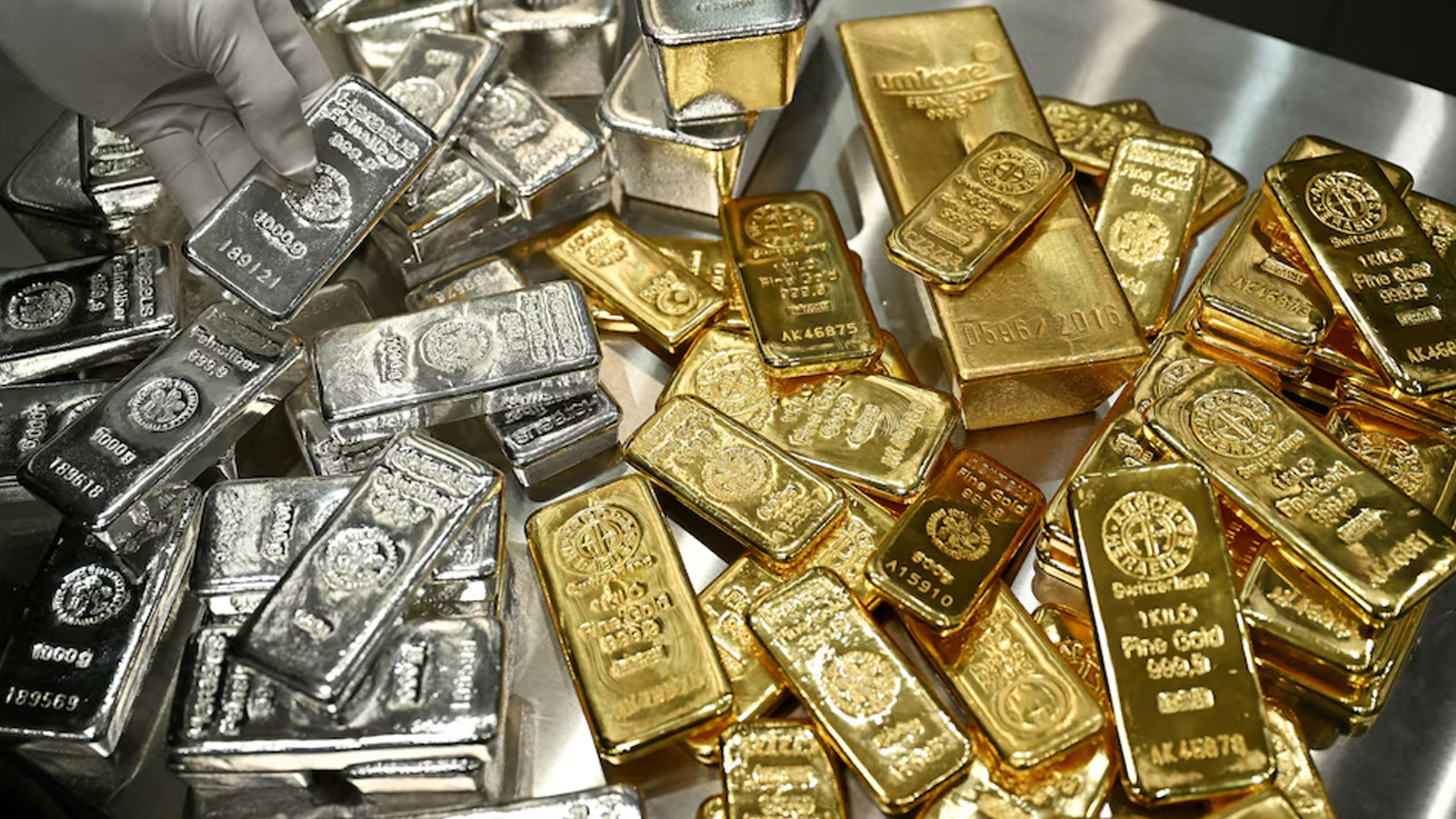
Gold and silver are closely linked, but their price behavior differs in intensity. Gold tends to move steadily, reflecting its role as a store of value, while silver exhibits greater volatility due to its additional industrial demand.
This relationship creates opportunities for relative value positioning. When silver significantly lags behind gold, it may indicate undervaluation relative to historical patterns. When silver rises more aggressively, it often reflects heightened market momentum and increased demand.
Understanding this dynamic allows investors to adjust their allocation between gold and silver, optimizing timing decisions within the broader precious metals market.
STRATEGIC BUYING APPROACHES
Effective timing is not based on a single purchase, but on a structured approach that balances market awareness with long term discipline.
Gradual accumulation allows investors to build positions over time, reducing exposure to short term volatility and minimizing the impact of market fluctuations. This approach removes the need to identify a single perfect entry point.
Buying during market corrections provides another opportunity. Price pullbacks within broader trends often present more favorable entry levels without requiring precise market predictions.
Value based positioning focuses on identifying periods where bullion appears undervalued relative to economic conditions. This requires understanding the relationship between pricing, demand, and macroeconomic indicators.
Each of these approaches reinforces the principle that timing is a process, not an event.
LONG TERM PERSPECTIVE AND INVESTMENT DISCIPLINE
While timing enhances investment efficiency, long term perspective remains the foundation of successful bullion investment. Gold and silver are not designed for short term speculation alone, but for sustained value preservation and growth over time.
Attempting to trade short term fluctuations introduces unnecessary risk and reduces consistency. A disciplined investor integrates timing awareness into a broader strategy, maintaining focus on long term objectives rather than reacting to temporary market movements.
This balance between timing and discipline is what defines effective bullion investment.
CONCLUSION
The best time to buy gold and silver is not determined by a single moment, but by a combination of economic conditions, market sentiment, and strategic positioning. Investors who understand these elements do not chase price movements. They recognize value, act with clarity, and position themselves ahead of broader market shifts.
Timing, when approached with structure and insight, enhances both efficiency and long-term performance. It allows investors to allocate capital with precision, reduce exposure to unfavorable conditions, and build positions that align with underlying market dynamics.
In a financial environment shaped by uncertainty and continuous change, the ability to identify value and act decisively is what transforms bullion investment from a reactive process into a disciplined and effective strategy.