
A gold allocation can look sensible on paper and still fail to match your actual objective. That is the core issue in gold bullion versus gold ETF decisions. One gives you direct ownership of a physical asset. The other gives you market exposure through a financial product. Those are not small differences when the goal is wealth preservation, portfolio diversification, or reducing dependence on the broader financial system.
For many investors, the question is not whether gold has a role. It is what kind of gold ownership best fits the reason they are buying it in the first place. If your priority is convenience and quick trading, an ETF may fit. If your priority is holding a recognized hard asset with no issuer standing between you and your metal, bullion deserves a closer look.
Gold bullion versus gold ETF: the real difference
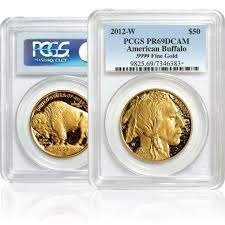
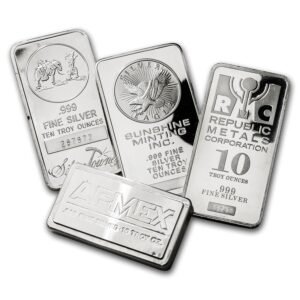
Physical gold bullion means you own bars or coins directly. The value is tied to the metal itself, along with product premiums, market spot price, and the reputation of the mint or refiner. Your ownership is tangible, verifiable, and independent of a fund structure.
A gold ETF is an exchange-traded fund designed to track the price of gold. You buy shares through a brokerage account, just as you would with a stock or index fund. That structure can be efficient, but it also means you own shares in a vehicle, not specific bars in your possession.
This is where many comparisons become too simplistic. Both can provide exposure to gold prices, but they do not provide the same form of ownership, the same type of access, or the same protection profile. For an investor focused on asset security, that distinction matters more than daily price charts.
Why investors choose physical bullion
Physical bullion appeals to investors who want direct control over part of their wealth. A gold coin or bar does not depend on a fund manager, a brokerage platform, or market hours to exist. It is a recognized store of value that can be held privately, securely stored, or passed across generations.
That matters most when gold is being used as financial insurance rather than a short-term trade. Investors who buy bullion are often less concerned with intraday movement and more concerned with ownership certainty. They want to know the asset is real, investment-grade, and sourced from recognized mints with internationally accepted purity standards.
Bullion also removes a layer of counterparty dependence. While no investment is entirely free of practical considerations, physical gold is not a paper claim in the same sense as an ETF share. If your strategy includes reducing exposure to financial intermediaries, bullion is more aligned with that goal.
There is also a discipline built into physical ownership. Because buying and selling bullion is usually a more deliberate process than clicking in and out of an ETF position, many investors find it better suited to long-term portfolio building.
The trade-offs of owning bullion
Physical ownership is not frictionless. You need secure storage, whether at home, in a private vault, or through an allocated storage arrangement. Insurance, shipping, and product premiums should all be part of the total cost calculation.
Liquidity is still strong for recognized bullion products, but it is not identical to selling an ETF during market hours. The spread between buy and sell prices can also be wider than what investors see in a highly liquid exchange-traded product, especially if they buy specialty items instead of standard investment-grade bars and coins.
That does not make bullion inferior. It simply means the investor is paying for direct ownership and tangible possession rather than pure convenience.
Where a gold ETF makes sense
A gold ETF can be useful for investors who want price exposure with maximum simplicity. It is easy to buy through a standard brokerage account, easy to sell quickly, and easy to integrate into tax-advantaged or professionally managed portfolios.
For tactical traders, that convenience is often the main advantage. If the goal is to adjust a position quickly, rebalance with precision, or gain exposure without handling storage, an ETF solves practical problems that physical bullion does not.
Cost can also appear lower at the entry point. Investors do not pay coin or bar premiums in the same way they do with physical products. Instead, they typically face brokerage costs, management fees, and the long-term drag that comes from holding a fund rather than metal in hand.
This is why ETFs often suit investors treating gold as a liquid portfolio instrument. If gold is just one sleeve in a broader securities allocation, an ETF may be operationally efficient.
The limits of a gold ETF
The convenience of an ETF comes with structural dependence. You rely on the fund, the custodian framework, the brokerage platform, and the market infrastructure that supports trading. For many investors, that is acceptable. For others, it misses the point of owning gold at all.
An ETF is designed to track gold, not replace the function of direct physical ownership. You generally cannot treat it as metal in your possession. In most cases, retail shareholders are not taking delivery of specific bars. That means an ETF may behave like a gold proxy inside the financial system rather than a hard asset held outside it.
There is also the issue of ongoing fees. They may seem modest, but over long holding periods they can erode returns. Physical bullion has an upfront premium and potential storage costs, but it does not charge an annual management fee simply for existing in your portfolio.
Which option is better for wealth protection?
For pure wealth protection, physical bullion usually has the stronger case. The reason is simple. Wealth protection is not only about price exposure. It is about control, permanence, and reducing reliance on third parties.
If an investor wants gold as a hedge against currency weakness, financial instability, or systemic risk, direct ownership is generally more consistent with that objective. A gold ETF may track the gold price effectively, but it still sits within the same financial architecture many investors are trying to diversify away from.
That does not mean every investor should reject ETFs. It means your purpose should guide the structure. If the goal is crisis hedging and long-term asset preservation, bullion is often the more coherent choice. If the goal is liquid exposure for tactical portfolio management, an ETF may be enough.
Gold bullion versus gold ETF for different investor profiles
A first-time investor building a long-term precious metals position may benefit from starting with widely recognized physical products such as government-minted coins or investment-grade bars. That approach establishes real ownership and gives the investor a direct understanding of how bullion fits into a broader plan.
A high-frequency trader or a portfolio manager who needs immediate execution may find ETFs more practical. In that setting, gold is often treated as a liquid macro allocation rather than a tangible reserve asset.
Some investors use both. They keep a core physical gold position for long-term security and add ETF exposure for short-term flexibility. That blended approach can make sense, but only if each part has a defined role. Problems arise when investors assume the two are interchangeable. They are not.
What to consider before choosing
The best decision usually comes down to five questions. What is your time horizon? Are you buying gold for trading or for protection? How important is direct ownership to you? Are you comfortable with secure storage? And how much do you value immediate liquidity inside a brokerage account?
If your answers lean toward control, independence, and long-term wealth preservation, physical bullion is likely the better fit. If they lean toward speed, convenience, and portfolio mechanics, a gold ETF may be the more practical choice.
The quality of execution matters either way. With bullion, investors should focus on recognized products, transparent pricing, secure fulfillment, and authenticity standards. That is where a security-first dealer such as Omega Bullion Vault can add real value, particularly for buyers who want confidence in purity, sourcing, and insured delivery.
Gold works best when the form of ownership matches the reason you own it. Before you choose between a bar, a coin, or an ETF share, decide what job you need gold to do. That clarity usually points to the right answer.