Silver often gets attention after prices move. By that point, many buyers are reacting to headlines instead of following a plan. If you want to understand how to invest silver bullion, the better approach is to treat silver as a long-term hard asset purchase, not a short-term trade driven by momentum.
Physical silver bullion appeals to investors for a few clear reasons. It is tangible, globally recognized, and not dependent on a financial institution’s promise to perform. It can also play a useful role in diversification, especially for investors who want part of their wealth held outside paper markets. Still, silver is not a one-size-fits-all holding. The format you buy, the premium you pay, and the way you store it all affect your outcome.
How to invest silver bullion with a clear plan
The first decision is not what product to buy. It is why you are buying silver in the first place. Some investors want inflation protection. Others want to diversify beyond stocks and bonds. Some are building a reserve of physical assets they can hold directly for years.
That purpose matters because it shapes every other choice. If your priority is low cost per ounce, larger silver bars may make more sense. If you value flexibility and easier resale in smaller increments, government-issued silver coins or widely recognized rounds may be more practical. Investors who skip this step often end up buying whatever seems popular rather than what fits their own strategy.
A disciplined silver allocation also helps prevent overexposure. Silver can be volatile. It often moves more sharply than gold, both up and down. That can make it attractive, but it also means investors should size positions carefully within a broader wealth preservation plan.
Choose the right silver bullion format
Silver bullion is commonly sold as coins, rounds, and bars. All three can hold investment value when purity, authenticity, and market recognition are strong, but they serve slightly different needs.
Silver coins
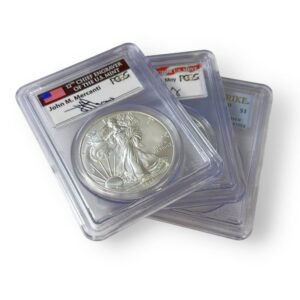
Government-minted silver coins are often the most familiar entry point for first-time buyers. They usually carry legal tender status and are produced by recognized sovereign mints. That reputation can support liquidity, especially when you eventually sell. The trade-off is that coins often come with higher premiums over spot than larger bars.
For many investors, that higher premium is acceptable because coins are easy to count, store, and resell in smaller amounts. If you want flexibility and broad market recognition, coins are often a sensible starting point.
Silver rounds
Rounds look similar to coins but are typically produced by private mints and do not carry legal tender status. High-quality rounds from respected producers can still be an efficient way to own physical silver. They often cost less than sovereign coins, which makes them attractive to buyers focused on maximizing ounces.
The main consideration is recognition. Well-known private mint products tend to be easier to trade than obscure pieces. When buying rounds, credibility of the mint matters.
Silver bars
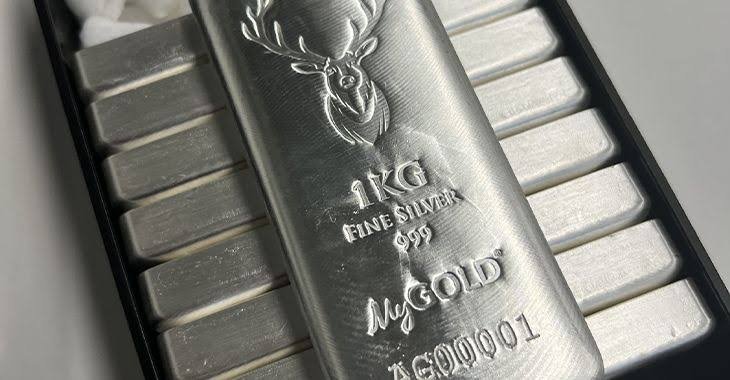
Bars are usually the most efficient format for investors trying to reduce premium per ounce, especially as size increases. They are available in a range of weights, from small bars suitable for retail buyers to larger wholesale-format products designed for serious accumulation.
Lower premiums are an advantage, but larger bars are less divisible. Selling a 100-ounce bar is different from selling ten 10-ounce units or a tube of coins. That does not make large bars a poor choice. It simply means they fit best when your priority is cost efficiency and long-term holding rather than flexibility.
Focus on purity, authenticity, and recognition
When buying silver bullion, product quality is not a minor detail. Investment-grade silver should come from recognized government or private mints and meet established purity standards, commonly .999 fine silver or better depending on the product.
Authenticity is equally important. A low price means little if the source is uncertain. Investors should buy from dealers that emphasize transparent product specifications, recognized sourcing, and secure fulfillment. In practice, the easiest silver to own confidently is silver that is clearly identified, properly documented, and widely understood in the market.
This is one reason many investors prefer standard products over unusual novelty pieces. A recognizable silver bar or coin tends to be simpler to value, store, and resell than specialty items with limited market familiarity.
Understand spot price and premiums
One of the most common mistakes new buyers make is focusing only on silver’s spot price. Spot matters, but physical silver bullion does not trade at spot in the retail market. You are also paying a premium that covers fabrication, distribution, dealer operations, and market demand for the specific product.
A strong buying decision looks at the total cost per ounce, not just the quoted market price of silver. Two products with the same silver content can carry meaningfully different premiums. That difference affects how quickly your position reaches break-even if you later sell.
Premiums also change with market conditions. During periods of heavy demand, smaller products and sovereign coins can become more expensive relative to spot. In calmer markets, the gap may narrow. That is why investors should compare product types and think in terms of cost efficiency, liquidity, and intended holding period rather than assuming the cheapest listed item is always the best value.
Decide how much silver to buy and when
There is no universal perfect time to buy silver. Investors who wait for the ideal entry often remain on the sidelines too long. A more practical approach is to build a position gradually.
Buying in stages can reduce the pressure of trying to predict short-term price moves. It also allows you to average your cost over time. For long-term holders, consistency is often more valuable than precision.
That said, timing still matters at the margin. If premiums are unusually high or supply is tight, it may make sense to be selective about format and order size. The key is not to confuse patience with paralysis. Physical bullion is generally most effective when purchased as part of a planned allocation, not as a reaction to sudden market anxiety.
Storage is part of the investment decision
Anyone learning how to invest silver bullion should think about storage before placing an order, not after delivery arrives. Silver is bulky compared with gold for the same dollar value, which makes storage logistics more important than many first-time buyers expect.
Home storage offers immediate access and direct control, but it also requires serious attention to security and discretion. Professional storage can reduce some of that burden, especially for larger holdings, though it adds cost and removes immediate possession.
There is no universal right answer. Smaller personal holdings may be manageable at home with the proper precautions. Larger positions often justify more formal storage arrangements. What matters is that your storage method matches the size of your allocation, your security needs, and your preference for accessibility.
Think ahead to resale
A silver purchase is easier to make when you also understand how it may be sold later. Recognized products from established mints tend to be easier to liquidate because buyers already understand what they are. Standard sizes also help. A common one-ounce coin or a known silver bar format usually creates fewer questions than irregular or highly specialized items.
Resale planning does not mean you expect to sell soon. It means you are buying with discipline. Liquidity should be part of the original purchase decision, especially if silver is one component of a broader asset protection strategy.
Common mistakes to avoid
Most silver investing mistakes come down to impulse, not complexity. Some buyers overpay for collectible appeal when their goal is bullion exposure. Others buy oversized bars without considering future flexibility. Some ignore storage until they have more metal than they can handle comfortably.
Another common error is treating silver like a guaranteed short-term win. Silver can be valuable in a portfolio, but it is still a market asset with price swings. Investors tend to do better when they approach it with realistic expectations, disciplined sizing, and a preference for recognized, investment-grade products.
For buyers who want a straightforward path, the strongest foundation is simple: define your purpose, choose recognized silver bullion, compare total cost instead of headline price, and buy through a dealer that takes authenticity, secure delivery, and transparent standards seriously. That is how physical silver becomes a durable asset rather than a speculative purchase. If your goal is long-term wealth protection, patient accumulation usually does more for your position than trying to outguess the next market move.