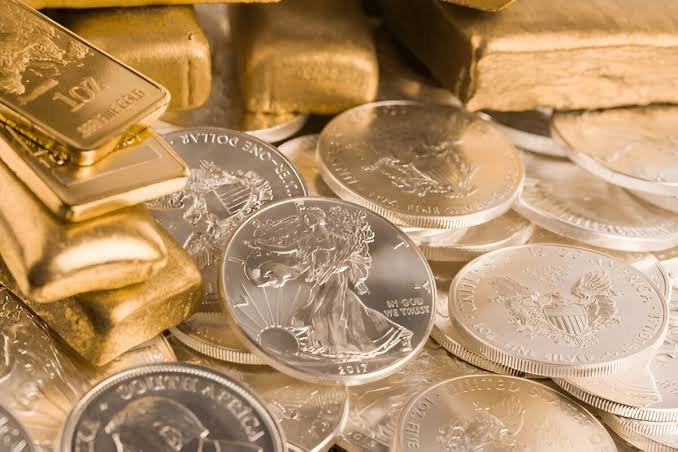
A one-ounce silver product can contain the same .999 fine silver whether it carries a government mint’s design or a private mint’s hallmark. Yet the purchase price, resale market, and role in a long-term holding can be meaningfully different. Understanding bullion coins versus rounds helps investors choose the format that best supports their priorities: broad recognition, low acquisition cost, flexible liquidity, or efficient accumulation.
The right choice is rarely about which product is inherently superior. Both can provide direct ownership of physical precious metals. The more useful question is which format matches the way you expect to buy, hold, and eventually sell.
What separates bullion coins from rounds?
Bullion coins are issued by sovereign governments and are typically legal tender in their country of issue. Well-known examples include American Eagles, Canadian Maple Leafs, Austrian Philharmonics, and Australian Kangaroos. Their face values are generally symbolic relative to the metal value, but legal-tender status confirms that they are official mint products.
Rounds are privately minted pieces of bullion. They are usually produced in standard weights, such as one troy ounce of silver or gold, and clearly state their metal content and purity. A round may feature a mint’s own design, a historical motif, or a branded image, but it does not carry a government-issued face value and is not legal tender.
For an investor focused on metal weight and purity, both formats can serve the same core purpose. A one-ounce .9999 fine gold coin and a one-ounce .9999 fine gold round each represent one ounce of physical gold. The distinction lies in the issuer, market recognition, premium structure, and buyer demand at resale.
Bullion coins versus rounds: the key investment differences
Recognition and resale confidence
Government-issued bullion coins benefit from immediate recognition. Dealers, investors, and many buyers around the world are familiar with major sovereign-mint products and their published specifications. That familiarity can make pricing and resale more straightforward, especially when selling quickly or across borders.
Rounds can also be highly liquid, particularly when produced by respected private mints with established purity standards. However, their acceptance may depend more heavily on the mint name, condition, and local buyer preferences. An unfamiliar round is not necessarily inferior metal, but it may require additional verification before a buyer makes an offer.
For investors who place a high value on internationally recognized products, sovereign bullion coins often provide added confidence. For those building a position primarily through a trusted dealer and planning to sell into an established bullion market, reputable rounds can remain an efficient choice.
Premiums over spot price
The premium is often the most visible difference. Bullion coins generally carry higher premiums over the spot price of gold, silver, platinum, or palladium. Government minting, security features, distribution costs, production capacity, and strong investor demand all contribute to that added cost.
Rounds frequently offer lower premiums because private mints can produce straightforward bullion designs at scale. In silver especially, the difference can be material when purchasing larger quantities. If your priority is accumulating the greatest possible number of ounces for a defined budget, low-premium rounds may allow more efficient exposure to the underlying metal price.
A lower premium does not automatically make a product the better value. The relevant measure is the full transaction cycle: what you pay when buying, what a dealer is likely to pay when buying it back, and how quickly the product can be sold. A recognizable bullion coin may cost more upfront but retain stronger demand. A round may cost less and still offer an attractive resale outcome if bought and sold through a reliable bullion market.
Legal-tender status and perceived security
Legal-tender status is a defining feature of bullion coins, but it should not be mistaken for a guarantee that the coin will trade at its face value. A one-ounce gold coin with a nominal face value is valued primarily for its gold content, not the currency amount printed on it.
Its practical value is different: legal-tender status connects the product to a sovereign issuer and a formal minting program. Many investors view that provenance as an additional layer of confidence. Government mints also commonly use detailed design elements, radial lines, micro-engraving, or other anti-counterfeit measures.
Private rounds do not have legal-tender status, yet leading private mints also maintain strict production and quality standards. The prudent approach is to focus on stated purity, weight, recognized mint sourcing, and a dealer’s authentication practices rather than relying on appearance alone.
Product selection and flexibility
Coins often offer more variety in annual designs, denominations, and country-specific programs. This can appeal to investors who want a portion of their holdings in recognizable products with visual distinction or modest collector interest. Still, a bullion coin should be purchased as bullion unless you have intentionally evaluated its numismatic value.
Rounds are commonly simpler. They are designed for efficient metal ownership and are available in familiar sizes, including fractional gold weights and one-ounce silver formats. Their standardized nature can make it easier to build consistent positions over time without paying for changing designs or limited-mintage narratives.
When bullion coins may be the better choice
Bullion coins tend to fit investors who want maximum recognition and broad resale appeal. They can be particularly useful for first-time buyers who prefer products that are easy to identify, for investors who may sell in different markets, and for those creating a core holding intended to be readily understood by heirs or future buyers.
They may also be appropriate when portfolio confidence matters more than obtaining the lowest possible premium. A recognized gold or silver coin from a major sovereign mint is a familiar form of hard-asset ownership. That familiarity can be valuable during periods when demand for physical bullion rises and buyers become more selective about what they accept.
The trade-off is straightforward: you may pay more per ounce. Investors should compare current premiums rather than assume every government-issued coin carries the same cost advantage or disadvantage. Availability changes, and premium gaps can widen or narrow with market conditions.
When rounds may be the better choice
Rounds are often well suited to investors building bullion positions systematically. If your objective is to convert a fixed dollar amount into as much verified metal as possible, lower-premium rounds can be a disciplined option. This is especially relevant for silver buyers, where premiums represent a larger percentage of the total purchase price than they often do in gold.
They can also make sense for larger orders. A portfolio built with reputable private-mint rounds can provide substantial exposure to precious metals without requiring every ounce to carry the premium associated with sovereign coinage. For experienced buyers, this can support an efficient core allocation alongside a smaller allocation of highly recognized coins.
The trade-off is that mint selection matters. Choose rounds from recognized producers with clearly marked weight and purity. Retain original packaging when practical, keep purchase records, and work with a dealer that stands behind the authenticity of the products it sells.
A practical way to use both formats
Many disciplined investors do not treat this as an either-or decision. They use bullion coins and rounds for different purposes within the same physical metals strategy. Coins can provide a recognizable, highly marketable portion of the holding, while rounds can help lower the average acquisition cost of the total position.
For example, an investor purchasing silver over time may select recognized sovereign coins for a portion of each order and add private-mint rounds to increase total ounces. A gold investor may prefer widely traded one-ounce coins for primary liquidity while using lower-premium rounds when the price difference is substantial. The appropriate mix depends on budget, storage capacity, expected holding period, and the importance you place on global recognition.
Bars are also worth considering for larger allocations, although they bring their own premium and resale considerations. As product size increases, the cost per ounce often declines, but smaller units can offer greater flexibility if you later wish to sell only part of a holding.
Buy for authenticity, not just a low price
Whether you choose coins or rounds, the purchase process deserves the same level of care. Verify the metal content, fineness, weight, mint source, and total delivered price. Be cautious with products described vaguely as gold or silver without a stated purity, and understand whether a quoted price reflects the actual product available for delivery.
Secure ownership also extends beyond the purchase. Consider where the bullion will be stored, how it will be insured, and how records will be maintained. Original invoices, product details, and organized storage support future verification and resale. For substantial allocations, investors may also want to discuss tax treatment, estate planning, and storage arrangements with qualified professionals.
A physical metals position is built one verified purchase at a time. Choose the bullion format that you will be comfortable holding through changing market conditions, and prioritize recognized purity, transparent pricing, and secure delivery over short-term excitement.