
A dollar kept in cash can buy less after years of persistent price increases. That is the central reason investors consider a precious metals inflation hedge: physical gold, silver, platinum, and palladium are tangible assets with limited supply, recognized value, and no dependency on a bank’s promise to pay. They are not a guaranteed answer to every inflationary period, but they can play a meaningful role in protecting long-term purchasing power.
The key is to treat bullion as part of a disciplined wealth-preservation plan, not as a short-term prediction on headlines. Inflation, interest rates, currency movements, and investor demand all affect metals prices. Understanding that relationship helps investors choose the right metals, formats, and allocation for their objectives.
Why Inflation Can Erode Conventional Savings
Inflation is the gradual rise in the cost of goods and services. When prices rise faster than the return earned on savings, cash loses purchasing power. A bank balance may show the same number of dollars, yet those dollars may buy less food, fuel, housing, or labor than they did before.
Fixed-income investments can face a similar challenge. Bonds and other instruments may provide stated interest payments, but their real return can weaken when inflation outpaces yield. Equities may offer long-term growth potential, although they also carry business, valuation, and market-cycle risk.
Physical bullion addresses a different concern. It is a real asset that cannot be created by monetary policy, and it has been recognized as a store of value across markets and generations. Its purpose in a portfolio is generally defensive: to provide an asset outside the banking system and outside direct exposure to the purchasing power of any single currency.
How Precious Metals Work as an Inflation Hedge
Gold is often the first metal investors consider because of its long monetary history, deep global market, and high value density. During periods of currency uncertainty or negative real interest rates, demand for gold can increase as investors seek an asset with no issuer risk. Gold does not generate income, but it also does not depend on a corporation’s earnings or a government’s ability to service debt.
Silver shares many of gold’s monetary characteristics, while its significant industrial use gives it a different demand profile. It can be more volatile than gold, meaning its price may move more sharply in either direction. For investors comfortable with that variability, silver can provide lower-cost entry into physical metals and may offer useful diversification within a bullion position.
Platinum and palladium are smaller, more specialized markets. Their values are strongly influenced by industrial demand, mining supply, and automotive technology, in addition to investment interest. They may complement a broader metals allocation, but they are generally less direct inflation hedges than gold and can experience substantial price swings.
A precious metals inflation hedge works best when viewed over a meaningful time horizon. Metals do not rise in a straight line when consumer prices rise. There can be periods when inflation is elevated and bullion prices are flat or declining, particularly when interest rates are rising rapidly or the U.S. dollar is strengthening. The value of physical bullion is its ability to serve as a long-term counterweight to currency and financial-system risks, not to match each monthly inflation report.
Gold Versus Silver for Purchasing-Power Protection
For many investors, gold is the foundation of a physical metals strategy. It is widely recognized, highly liquid, and easy to store relative to its value. A one-ounce gold coin or bar can represent a significant amount of wealth in a compact format, making gold especially practical for larger allocations and long-term storage.
Silver can be appropriate for investors who want a more accessible price point or a larger number of units for a given investment amount. Government-minted silver coins and widely recognized silver bars are familiar products with established resale markets. The trade-off is that silver requires more space to store, and premiums, shipping costs, and storage considerations can represent a larger share of the purchase.
The decision is not necessarily gold or silver. A balanced approach may use gold for concentrated wealth preservation and silver for additional diversification. The right mix depends on budget, storage capacity, time horizon, and tolerance for price volatility.
Physical Bullion Matters
Investors have several ways to gain metals exposure, including mining stocks, exchange-traded products, futures contracts, and physical bullion. These options have different risk profiles. A mining stock is an equity investment influenced by management decisions, operating costs, political risk, debt, and stock-market conditions. Futures involve leverage and expiration dates. Paper-based products may be useful for certain strategies, but they are not the same as direct ownership.
Physical bullion provides direct title to a tangible asset. Investment-grade bars, coins, and rounds are valued primarily for their metal content, purity, weight, and market recognition. When sourced from established government or private mints, they offer clear specifications and broad acceptance in the bullion market.
For an inflation-focused buyer, recognized products are often preferable to obscure collectible items. Collectible coins can carry numismatic value, but that value depends on rarity, condition, and collector demand. Bullion products are generally more straightforward because their pricing is closely tied to the prevailing spot price of the underlying metal plus a dealer premium.
Selecting the Right Bullion Format
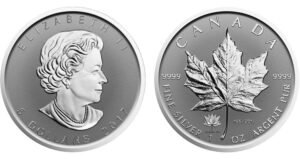
A practical bullion purchase begins with liquidity and ownership goals. Popular government-minted one-ounce coins are easy to recognize and can be suitable for investors who value flexibility when selling smaller portions of their holdings. Their premiums are often higher than those of larger bars because of fabrication, packaging, and minting costs.
Bars can be a more cost-efficient option for investors purchasing larger quantities. Gold bars in larger weights and wholesale-format silver bars often carry lower premiums per ounce, although they may be less flexible to divide if an investor later wants to sell only a small part of the position.
A sensible approach is to avoid concentrating every dollar in one format. An investor might hold a core position in lower-premium bars while maintaining a portion in recognizable coins for flexibility. Whichever format is selected, confirm the product’s stated purity, weight, mint source, and condition before purchasing.
Timing Purchases Without Chasing Headlines
Trying to identify the exact bottom in metals prices is difficult, even for experienced market participants. Inflation data, central-bank decisions, geopolitical events, and currency markets can produce sudden moves that are impossible to forecast with consistency.
Instead of making one large purchase based solely on a news event, many investors use a measured buying plan. Purchasing at planned intervals can reduce the pressure of making a single all-or-nothing timing decision. This approach does not eliminate market risk, but it can help investors build a position with discipline.
Premiums matter as much as spot prices. A low spot price does not automatically mean the best purchase if availability is limited and product premiums have increased. Compare the total cost per ounce, select recognized bullion, and consider how easily a product may be sold in the future. Transparent pricing and verified authenticity should remain nonnegotiable.
Storage Is Part of the Investment Decision
Physical ownership creates a responsibility that paper assets do not: secure storage. Smaller holdings may be stored at home using a properly installed, high-quality safe and a thoughtful privacy plan. This option provides immediate access, but it also requires careful attention to theft, fire protection, and insurance coverage.
For larger holdings, professional vault storage may provide enhanced security, insurance, inventory controls, and geographic diversification. Some investors prefer to divide holdings between secure personal access and professionally managed storage. There is no universal answer, but storage costs and access needs should be considered before building a position.
Keep purchase records, product details, and storage documentation organized. This supports insurance planning, estate administration, and future resale. It also makes it easier to track the cost basis of each purchase.
Set Realistic Expectations for a Precious Metals Allocation
Precious metals can help diversify a portfolio, but they should not be treated as a replacement for cash reserves, income-producing investments, or a complete financial plan. Gold and silver can be volatile over shorter periods, and neither pays interest or dividends. Investors who may need funds soon should avoid committing emergency savings to bullion.
Allocation decisions depend on personal circumstances. A conservative investor focused on asset protection may emphasize gold and maintain a modest, long-term position. An investor seeking broader metals exposure may add silver or, selectively, platinum and palladium. High-net-worth and bulk buyers may also consider product premiums, storage logistics, and resale efficiency at greater scale.
The strongest case for bullion is not that it will outperform every asset every year. It is that physical metals can provide durable, internationally recognized value when purchasing power, currency confidence, or financial-market stability comes under pressure. Build the position gradually, buy products with clear purity and recognized sourcing, and keep your focus on the purchasing power you intend to protect.