Silver occupies a unique position within the precious metals market, functioning both as a store of value and as a critical industrial resource. This dual role gives silver a level of dynamism that distinguishes it from other investment assets, particularly gold. While gold is primarily driven by monetary and defensive demand, silver responds to both investment sentiment and real economic activity.
In a rapidly evolving global economy shaped by technological advancement, energy transition, and industrial expansion, silver’s relevance continues to grow. Its applications across sectors such as electronics, renewable energy, and manufacturing create sustained demand, positioning it as an asset that not only preserves value but also participates in economic growth cycles.
Understanding how silver behaves within these overlapping forces is essential for investors seeking to capture both stability and upward potential within their portfolios.
THE UNIQUE ROLE OF SILVER IN GLOBAL MARKETS
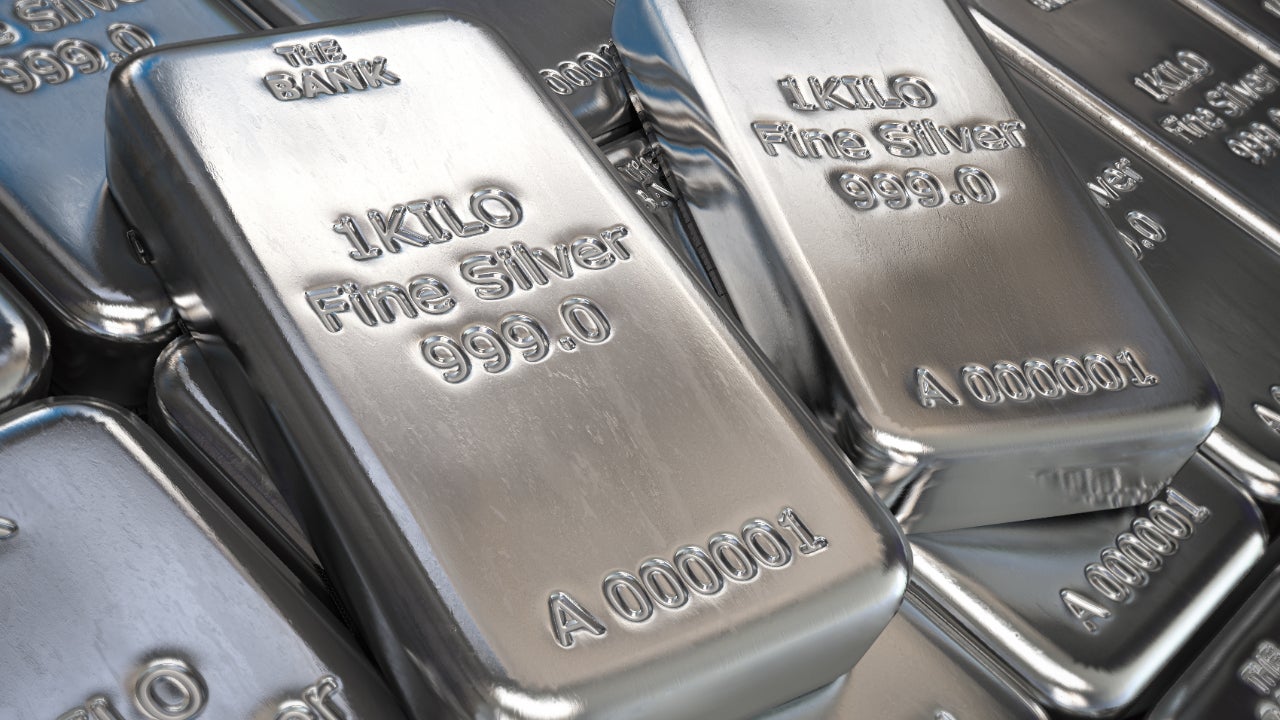
Silver’s value is defined by its dual identity. On one side, it serves as a monetary metal, historically used as currency and still recognized as a store of value. On the other, it is an industrial metal with essential applications in modern technology.
This combination creates a powerful dynamic. During periods of economic growth, industrial demand increases, supporting upward price movement. At the same time, during financial uncertainty, silver attracts investment demand as a tangible asset. This dual demand structure allows silver to respond to a wider range of economic conditions than most other assets.
As industries expand and new technologies emerge, particularly in renewable energy and electronics, silver’s role becomes even more critical, reinforcing its long-term investment potential.
WHY INVESTORS TURN TO SILVER
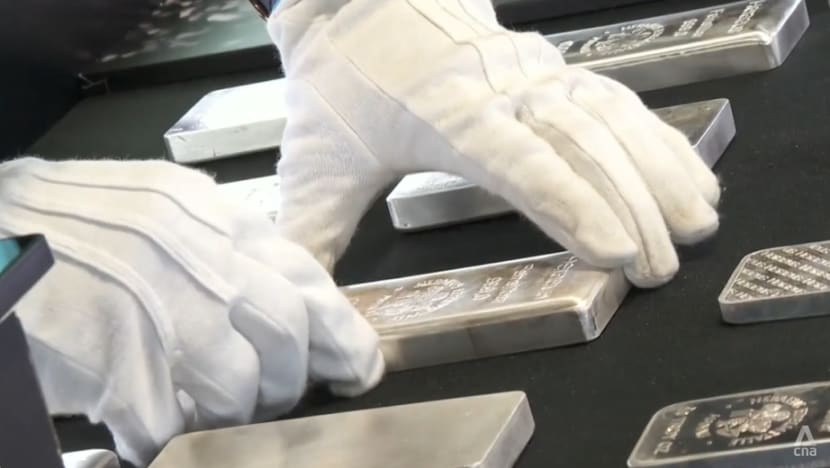
Silver offers a distinct set of advantages that appeal to both new and experienced investors.
Its relatively lower price compared to gold makes it more accessible, allowing investors to enter the precious metals market with smaller capital allocations. This accessibility does not diminish its value; rather, it creates opportunities for accumulation and growth.
Silver is also known for its higher price volatility. While this introduces short-term fluctuations, it also creates the potential for stronger percentage gains during upward market cycles. For investors seeking growth alongside diversification, silver presents a compelling balance.
Additionally, silver often follows gold’s broader trend but tends to move more aggressively, amplifying both upward and downward movements. This characteristic makes it particularly attractive for investors who understand market cycles and are positioned to benefit from them.
FORMS OF SILVER INVESTMENT

Selecting the right form of silver is critical to aligning with your investment goals.
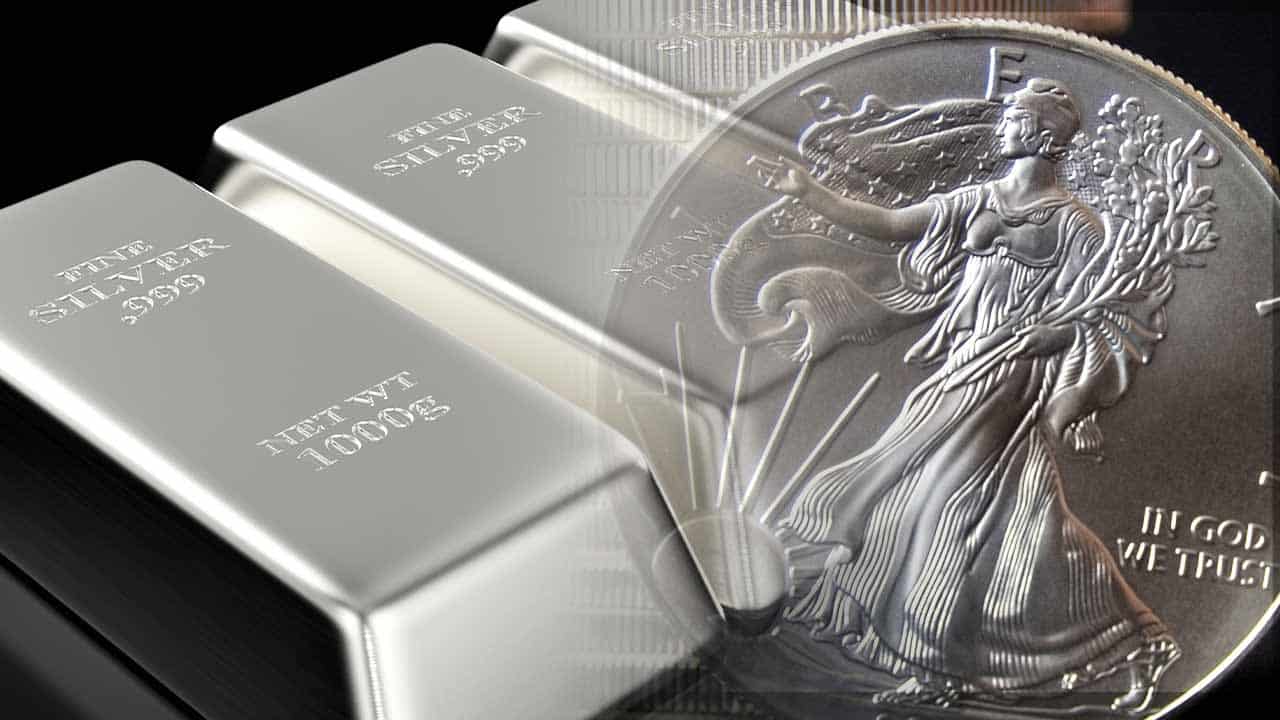
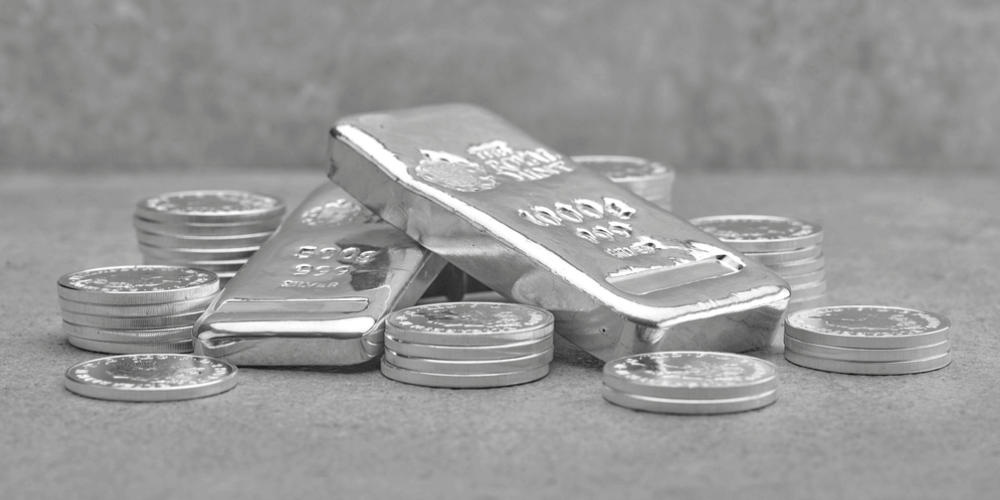
Silver Bars
Silver bars are typically chosen for larger investments due to their cost efficiency. They carry lower premiums relative to weight, making them suitable for investors focused on accumulating volume over time.
Silver Coins
Silver coins provide flexibility and liquidity. Their standardized weight and widespread recognition make them easier to trade, particularly in smaller quantities. They are often preferred by investors seeking a balance between accessibility and market acceptance.
Physical Silver vs. Financial Exposure
While financial instruments provide indirect exposure to silver, physical ownership offers direct control and eliminates counterparty risk. For investors prioritizing security and tangible asset ownership, physical silver remains the preferred approach.
WHAT DRIVES SILVER PRICES

Silver pricing is influenced by a broader and more complex range of factors compared to gold.
Industrial demand plays a major role. As global production increases, demand for silver in manufacturing, electronics, and renewable energy sectors rises accordingly. This creates a strong link between silver prices and economic activity.
Investment demand also significantly impacts pricing. During periods of financial uncertainty, silver attracts capital alongside gold, increasing demand and influencing market behavior.
Supply constraints, including mining output and production costs, further shape price movements. Unlike fiat assets, silver supply cannot be rapidly expanded, which contributes to its long-term value.
The interaction between these forces—industrial demand, investment interest, and supply limitations—creates a market environment that is both dynamic and opportunity-driven.
HOW TO APPROACH SILVER INVESTMENT

A strategic approach to silver investment requires clarity, timing awareness, and an understanding of market behavior.
Define Your Investment Objective
Determine whether your focus is growth, diversification, or exposure to industrial demand trends. This defines your entry strategy and allocation.
Understand Market Cycles
Silver tends to move in cycles influenced by both economic expansion and financial uncertainty. Recognizing these patterns helps investors position themselves effectively.
Choose the Right Products
Selecting between coins and bars depends on your investment size, flexibility needs, and long-term goals. Each option offers distinct advantages.
Focus on Value and Timing
Given silver’s volatility, disciplined entry points and a long-term perspective are essential for maximizing potential returns.
SILVER IN A DIVERSIFIED PORTFOLIO
Silver plays a complementary role alongside other assets, particularly gold. While gold provides stability, silver introduces growth potential and responsiveness to economic expansion.
Including silver in a portfolio enhances diversification by adding exposure to both monetary and industrial demand. This balance strengthens overall portfolio performance across varying economic conditions.
For investors seeking both protection and opportunity, silver offers a unique position that bridges defensive and growth-oriented strategies.
RISKS AND CONSIDERATIONS
Silver’s advantages are accompanied by considerations that must be understood and managed.
Its price volatility can lead to short-term fluctuations, requiring a disciplined investment approach. Industrial dependence means that economic slowdowns can impact demand and pricing. Additionally, storage and handling considerations apply to physical ownership.
A well-informed investor approaches silver with a clear understanding of these dynamics, using them as part of a broader strategy rather than viewing them as limitations.
CONCLUSION
Silver stands as one of the most versatile assets within the precious metals market, combining accessibility, industrial relevance, and investment potential into a single, dynamic opportunity. Its ability to respond to both economic growth and financial uncertainty gives it a unique position that few assets can replicate.
For investors seeking more than just preservation of wealth, silver offers a pathway to participate in broader market expansion while maintaining exposure to a tangible, globally recognized asset. Its dual demand structure, coupled with its historical significance and modern applications, reinforces its long-term relevance.
A disciplined and informed approach to silver investment allows investors to harness its potential effectively, balancing risk with opportunity and positioning themselves for sustained value creation in an evolving global economy.