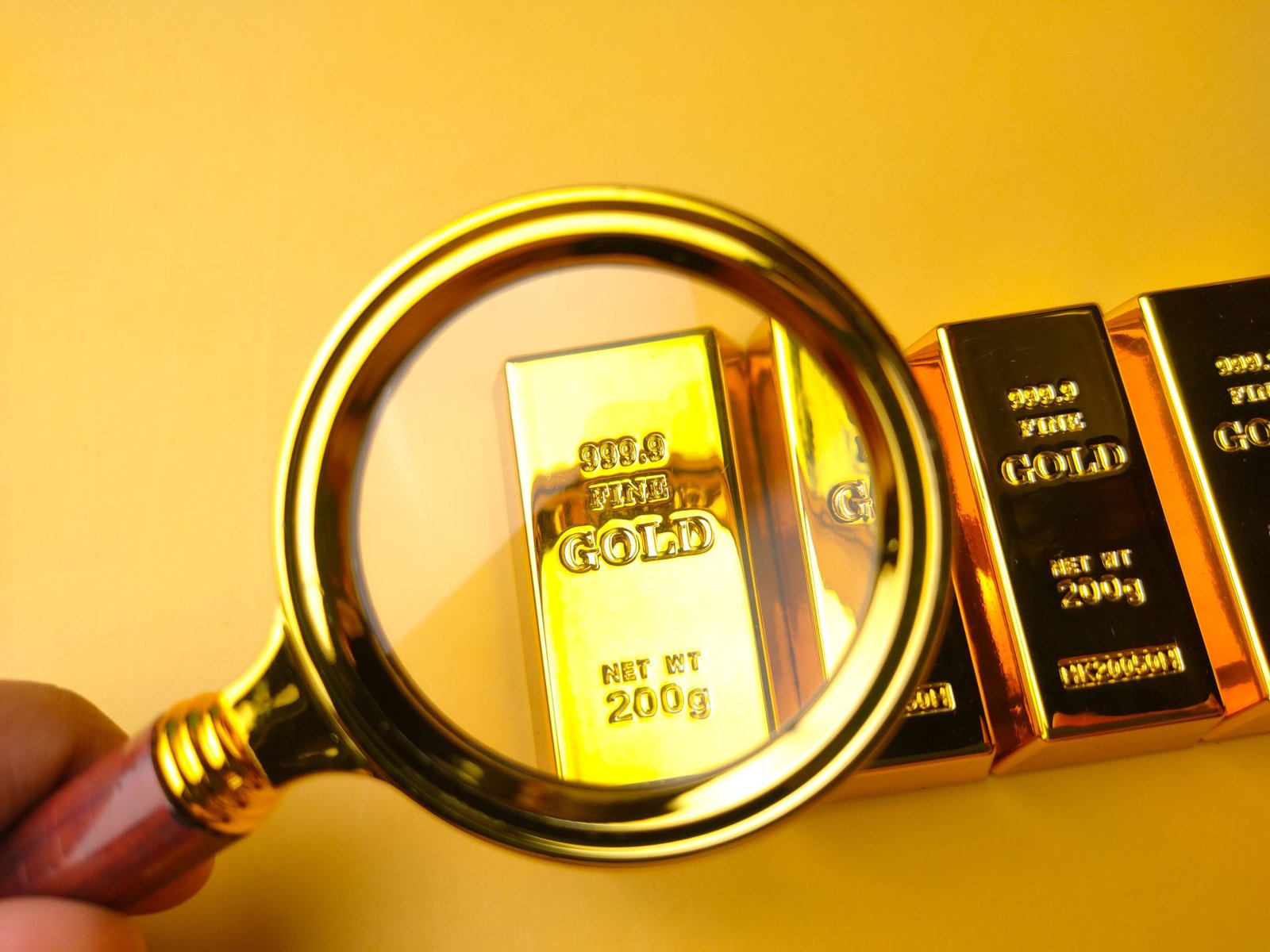
Counterfeit bullion rarely looks counterfeit at first glance. That is exactly why investors need a clear process for how to verify bullion authenticity before they buy, when they receive a shipment, and any time they add a secondary-market piece to a portfolio.
A convincing fake can copy a design, a logo, and even a serial number. What it usually cannot do is match the full combination of weight, dimensions, metal behavior, finish quality, and source credibility. Authenticity is not one check. It is a chain of evidence, and the stronger that chain is, the lower your risk.
How to verify bullion authenticity before you buy
The most reliable authentication step happens before a product ever reaches your hands. In precious metals, the dealer matters as much as the item. Investment-grade bullion should come from recognized government mints or established private refiners with known purity standards and market acceptance.
Start by confirming the product itself. Look for the mint or refiner name, stated weight, metal type, purity, and if applicable, assay packaging or a serial number. A one-ounce gold bar from a major refiner and a one-ounce silver coin from a sovereign mint both have known specifications that can be checked against published standards.
Then consider the seller. A reputable bullion dealer should present clear product details, transparent pricing, and secure delivery terms. If a seller is vague about sourcing, avoids discussing purity standards, or offers prices far below the market without a credible explanation, that should be treated as a warning. In bullion markets, unusually cheap metal often carries hidden risk.
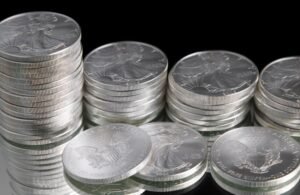
This is also where packaging matters. Sealed assay cards, mint tubes, monster boxes, and other original packaging do not prove authenticity on their own, but they do add traceability. If a product that normally comes sealed is loose without explanation, that does not automatically mean it is fake. It does mean you should apply tighter scrutiny.
The core checks for bullion authenticity
When bullion is in your possession, begin with the fundamentals. Authentic bars and coins should match official specifications with very little deviation. That means checking weight, diameter or length and width, thickness, visual finish, and markings.
Weight should be exact or very close
Use a calibrated digital scale that measures in grams to at least two decimal places. Compare the reading to the official product specification, not to an estimate or a listing title. A one-ounce bullion product may be listed as one troy ounce, which equals 31.103 grams, but some coins weigh more because they contain alloy metals in addition to the stated precious metal content. That distinction matters.
A small variance can come from the scale itself, protective packaging, or normal tolerance. A meaningful difference is a problem. If weight is off, stop there and investigate further before assuming the piece is genuine.
Dimensions must match official specs
Counterfeiters sometimes get the weight right by using a denser base metal mix or by adjusting thickness. That is why dimensions matter. Measure diameter, thickness, or bar dimensions with calipers and compare them to the mint or refiner standard.
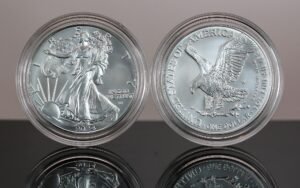
This step is especially useful for coins with widely known dimensions, such as American Eagles, Canadian Maple Leafs, and major gold or silver bars. A fake can mimic a design from a distance. It is much harder to replicate exact physical specifications across every measurement.
Visual quality tells you more than you think
Investors should not rely on appearance alone, but visual inspection still matters. Look for crisp details, even edges, proper fonts, correct relief, and a surface finish consistent with the stated product. Counterfeit pieces often show blurred lettering, weak details, unnatural color, inconsistent frosting, or poorly finished rims.
Serial numbers should also be reviewed carefully. On bars from recognized refiners, the serial number placement, spacing, and engraving style should look consistent with the brand. A serial number that appears sloppy or inconsistent with known examples deserves attention.
Simple at-home tests that help verify bullion
Several non-destructive tests can strengthen your assessment. None should replace buying from a trusted source, but they can help you confirm whether a piece behaves like the metal it claims to be.
The magnet test
Gold and silver are not magnetic. If a strong rare-earth magnet snaps aggressively onto a piece marketed as gold or silver bullion, that is a serious red flag. However, this is a screening test, not a final answer. Some counterfeit metals are also non-magnetic, and some authentic products may interact slightly with a magnet depending on alloy content or surrounding materials.
Silver has a useful property here. While it is not magnetic, it does create resistance to a sliding magnet because of conductivity. On a silver bar or coin, a strong magnet may slide slowly rather than drop quickly. This can be helpful, but only when combined with other checks.
The sound test
Many experienced buyers use a ring or ping test for certain silver and gold coins. Genuine coins often produce a clear, sustained tone when lightly struck with another coin or a non-damaging tool. Counterfeits tend to sound dull or short.
This method has limits. It works better for familiar sovereign coins than for bars, and it can be affected by handling, wear, and the coin’s specific alloy. It is best treated as supporting evidence rather than proof.
Ice and conductivity checks for silver
Silver has very high thermal conductivity. If you place an ice cube on a silver bar or round, it tends to melt unusually fast. This can help with silver authentication, but it is not precise enough to stand alone. It is another layer in the process, not the process itself.
When advanced testing is worth it
Higher-value purchases justify more than visual and basic physical checks. If you are buying larger gold bars, wholesale-format silver, or secondary-market products with meaningful premium at stake, professional testing can be the prudent move.
Electronic precious metal testers can measure conductivity and compare it against expected metal profiles. Ultrasonic testing can help identify inconsistencies below the surface. XRF analysis can determine surface composition with high accuracy. For enclosed bars in assay packaging, these tools are often preferable to invasive methods.
There is a trade-off, though. Not every test tells the full story. XRF reads surface composition, not always the core. Electronic testers are useful but model-dependent. Ultrasound requires proper equipment and experience. The point is not to chase every available test. It is to match the level of verification to the value and risk of the item.
Why packaging and provenance still matter
Investors sometimes focus so heavily on metal tests that they overlook chain of custody. In practice, provenance reduces risk before testing even begins. Original mint packaging, assay certificates, matching serial numbers, invoices from established dealers, and a clear ownership trail all add confidence.
That does not mean secondary-market bullion should be avoided. It means it should be evaluated with more discipline. A loose bar from a recognized refiner can still be authentic and attractive from a pricing standpoint. It simply requires stronger verification than a newly issued sealed product purchased directly from a trusted bullion dealer such as Omega Bullion Vault.
Common mistakes buyers make
One common mistake is relying on only one test. A counterfeit can pass the magnet test and still fail weight or dimensions. Another is confusing collectible packaging with actual proof of authenticity. Packaging can be copied, tampered with, or replaced.
A third mistake is assuming every irregularity means fraud. Minor cosmetic differences, handling marks, or older packaging styles can be normal, especially in the secondary market. That is where recognized specifications and source credibility become more valuable than guesswork.
The final mistake is waiting too long to inspect a delivery. Bullion should be checked promptly after receipt while shipment records, packaging condition, and dealer communication are still current.
A practical standard for investors
For most investors, how to verify bullion authenticity comes down to a disciplined routine. Buy recognized products from credible dealers. Confirm weight and dimensions against official specifications. Review visual quality and markings carefully. Use simple non-destructive tests when appropriate. Escalate to professional testing when the value or uncertainty justifies it.
That approach is not excessive. It is part of owning physical assets responsibly. Bullion is purchased for stability, liquidity, and long-term wealth protection. Treating authenticity as a process rather than a guess helps preserve all three.
The best bullion purchase is not just metal at the right price. It is metal you can identify, document, and trust with confidence years from now.