
Gold demand and supply form the structural foundation of the global bullion market, directly influencing price behavior, investment positioning, and long term value trends. Unlike conventional commodities, gold operates within a unique framework where monetary demand, institutional accumulation, and global economic sentiment interact continuously with limited and controlled supply. This balance is not static. It evolves with changes in central bank policies, investor behavior, and macroeconomic conditions, making it one of the most closely monitored dynamics in global finance.
For investors, understanding this relationship is not optional. It provides clarity on why prices move, when value opportunities emerge, and how long term trends are formed. Without this knowledge, market movements appear unpredictable. With it, price behavior becomes more structured, allowing investors to align their strategies with underlying economic forces rather than reacting to short term fluctuations.
GLOBAL GOLD DEMAND STRUCTURE
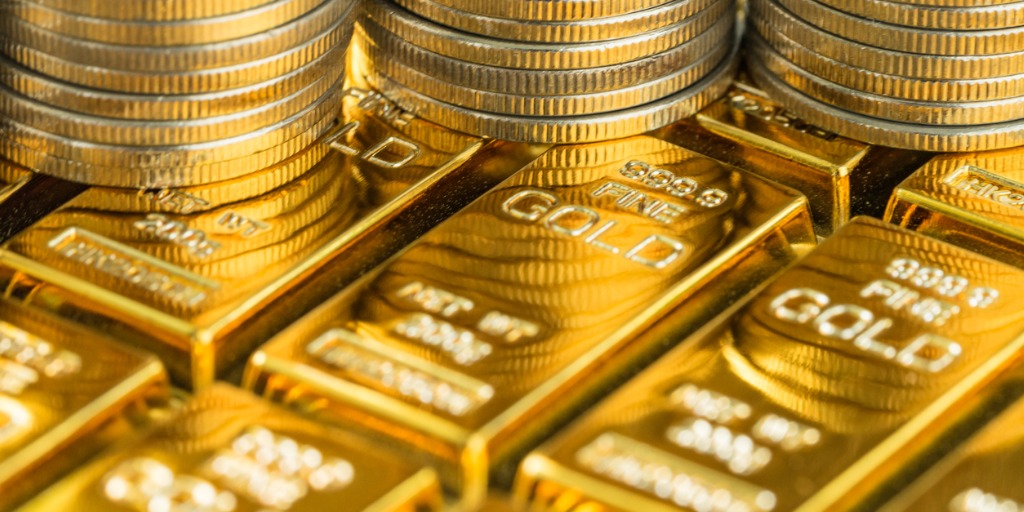
Gold demand is driven by multiple powerful and interconnected forces, each contributing to its long-term stability and market relevance. Investment demand remains one of the most influential components, increasing significantly during periods of economic uncertainty, inflation, and currency instability. As confidence in financial systems weakens, capital flows into gold as a protective asset, reinforcing its role as a store of value. Central banks also play a critical role in demand, consistently accumulating gold reserves to strengthen monetary stability and reduce reliance on foreign currencies. This institutional demand adds a layer of long-term support that is largely independent of short-term market sentiment.
In addition to investment and institutional demand, gold maintains strong consumption demand through jewelry and cultural markets, particularly in regions where gold is deeply integrated into financial and social systems. This consistent baseline demand provides stability even when investment activity fluctuates. The combination of these demand sources creates a resilient and diversified demand structure, ensuring that gold remains relevant across different economic conditions and market cycles.
GOLD SUPPLY AND PRODUCTION CONSTRAINTS
:max_bytes(150000):strip_icc()/GettyImages-1249932038-3832d19219044edda498e9e0fa53f7c3.jpg)
Gold supply is fundamentally constrained by physical and economic realities, which distinguishes it from fiat currencies and many other financial assets. The primary source of supply is mining, a process that is capital intensive, time consuming, and dependent on geological availability. New discoveries are limited, and bringing new production online requires significant investment and long development timelines. This natural limitation prevents rapid increases in supply, creating a structural foundation for long-term value retention.
Recycled gold provides an additional source of supply, typically increasing when prices rise and holders choose to liquidate existing assets. However, this supply is reactive rather than scalable, meaning it cannot fully offset demand surges during periods of strong market interest. The combination of limited mining output and reactive recycling creates a supply environment that is relatively inelastic, allowing demand shifts to have a more pronounced impact on price movements.
BALANCE BETWEEN DEMAND AND SUPPLY
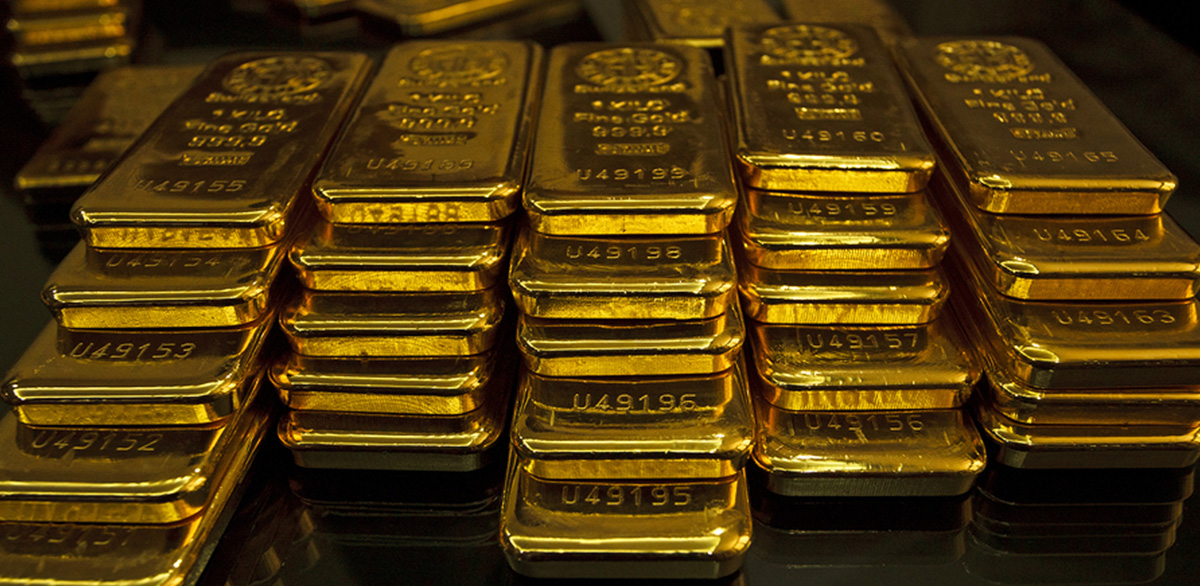
The interaction between demand and supply is what ultimately drives gold pricing and long-term market trends. When demand increases while supply remains constrained, prices tend to rise as competition for available gold intensifies. Conversely, when demand weakens or stabilizes, price movements may slow or consolidate, reflecting a more balanced market environment.
What makes gold particularly unique is that its supply does not respond quickly to price increases. Unlike other commodities where higher prices can stimulate rapid production, gold supply remains relatively stable even in rising markets. This amplifies the effect of demand surges, allowing prices to move more significantly when investor interest increases.
For investors, recognizing this imbalance is critical. It highlights why gold can experience strong upward trends during periods of economic stress and why these movements are often sustained rather than short lived.
STRATEGIC IMPLICATIONS FOR INVESTORS
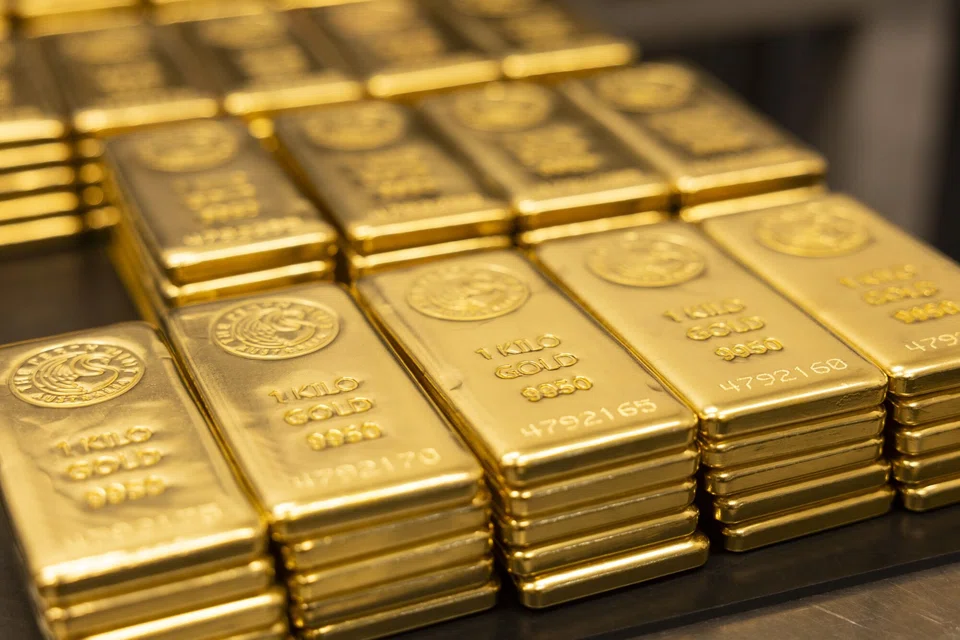
Understanding gold demand and supply provides a strategic advantage in investment decision making. It allows investors to interpret market conditions with greater clarity, identifying whether price movements are driven by temporary sentiment or underlying structural shifts. This distinction is essential for determining entry points, managing risk, and maintaining long term positioning.
Investors who align their strategies with demand and supply dynamics are better equipped to anticipate market behavior rather than react to it. They recognize that periods of low demand may present opportunities for accumulation, while periods of high demand may reflect already priced in value. This perspective transforms gold investment from a reactive process into a structured and informed strategy.
CONCLUSION

Gold demand and supply dynamics are not simply technical factors. They represent the core forces that shape the entire bullion market, influencing price direction, market stability, and long-term investment value. The interplay between strong, diversified demand and constrained supply creates a unique environment in which gold maintains its relevance across economic cycles and financial systems.
For investors, understanding these dynamics provides clarity and control. It allows for more precise decision making, stronger positioning, and a deeper appreciation of how gold functions as both a commodity and a financial asset. In a market defined by global forces and long-term trends, this knowledge is one of the most valuable tools an investor can possess.