A one-ounce gold bar can look deceptively simple: a measured weight of refined metal, stamped with a hallmark and sealed for delivery. Yet choosing gold bars involves several decisions that affect liquidity, cost, storage, and confidence at the point of resale. For investors building a physical precious metals position, the objective is not merely to own gold. It is to own recognized, verifiable bullion in a format that fits a long-term plan.
Gold has no issuer, no earnings report, and no promise from a counterparty. That distinction is central to its appeal as a hard asset. It can serve as a measured allocation alongside cash, equities, bonds, and other investments, particularly for buyers focused on diversification and preserving purchasing power over time. It should not be treated as a guaranteed short-term trade. Its price moves, sometimes sharply, and the right allocation depends on personal objectives, time horizon, and overall financial position.
Why Investors Choose Gold Bars
Gold bars are investment-grade bullion products valued primarily for their gold content. Their price is generally based on the live gold spot price plus a dealer premium that covers fabrication, distribution, security, and market demand. Unlike collectible coins, most bars do not rely on artistic design, limited mintage, or numismatic scarcity to justify their value.
That straightforward pricing is one reason experienced investors often favor bars. As bar size increases, the premium per ounce is typically lower than it is for small bars or many government-issued bullion coins. For an investor purchasing a meaningful quantity of gold, that difference can matter.
Bars also provide efficient exposure to physical gold. A 10-ounce bar contains the same underlying metal value per ounce as ten separate one-ounce bars, but it generally takes less packaging, fabrication, and handling to produce. The trade-off is flexibility. Selling one ounce from a 10-ounce bar is not possible without selling the entire bar, while one-ounce units can be sold incrementally.
Understanding Gold Bar Sizes and Purity
Gold bars are commonly sold in gram, troy ounce, and kilogram weights. A troy ounce is the standard measurement used for precious metals and equals 31.1035 grams. It is different from the standard avoirdupois ounce used for everyday goods.
For many first-time buyers, one-ounce bars offer a practical balance of affordability, recognition, and resale flexibility. They are easy to understand, broadly traded, and simple to integrate into a gradual purchasing plan. Smaller bars, such as 1 gram, 5 gram, or 10 gram units, require a lower initial outlay but usually carry higher premiums per ounce because fixed manufacturing and packaging costs are spread over less gold.
Larger formats can be more cost-efficient for investors making substantial purchases. Common options include 5-ounce, 10-ounce, 20-ounce, and 1-kilogram bars. A kilogram contains 32.1507 troy ounces, making it a widely recognized wholesale-style format. It may be a sensible choice when minimizing premium is the priority and the buyer has no need to liquidate in small increments.
Investment-grade gold bars are usually refined to .9999 fine gold, meaning 99.99% purity. The bar should clearly display its weight, purity, refiner or mint hallmark, and often a serial number. These marks establish what the bar is and support easier verification when it is time to sell.
Cast Bars and Minted Bars
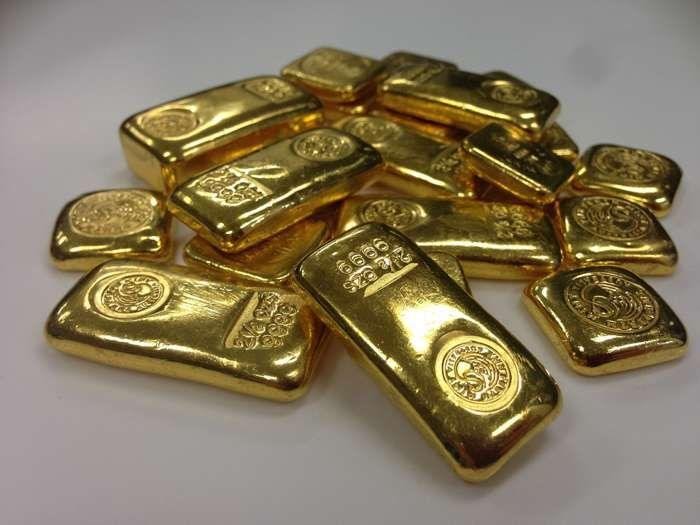
Cast bars are made by pouring molten gold into molds. Their surface may be less uniform, and they often have a traditional industrial appearance. Minted bars are cut from gold blanks and finished with sharper edges, polished surfaces, and more detailed design elements. Many are sold in tamper-evident packaging with an assay card.
Neither style is inherently better as an investment if weight, purity, and recognition are equivalent. Minted bars can be especially appealing to buyers who value presentation and built-in documentation. Cast bars may offer a more economical route in larger sizes. The relevant question is whether the product comes from a recognized refiner and can be readily authenticated in the secondary market.
What Makes a Gold Bar Easy to Resell?
Gold is globally recognized, but not every bar carries the same market familiarity. Bars from established refiners and internationally recognized mints tend to have the strongest liquidity because dealers, vaults, and investors know their specifications and trust their production standards.
Look for clear hallmarks, stated fineness, exact weight, and secure packaging where applicable. Recognized products are easier to evaluate quickly, which can reduce friction during resale. Original assay packaging should be retained for minted bars whenever possible. Opening or damaging packaging does not erase the gold content, but it can require additional testing and may affect how a buyer handles the transaction.
Liquidity also depends on size. A one-ounce bar has a broad potential buyer base. A kilogram bar may have a lower premium at purchase, but its larger dollar value can narrow the pool of private buyers. Reputable bullion dealers routinely trade larger bars, so this is not a reason to avoid them. It is simply a reason to match bar size to the level of flexibility you expect to need.
How Gold Bar Pricing Works
A transparent bullion price has two primary components: the spot value of the metal and the premium. If gold spot is quoted per troy ounce, the metal value of a one-ounce .9999 fine bar is approximately that spot price, subject to normal market movement. The final purchase price will be higher because the bar must be refined, fabricated, secured, transported, and sold through a dealer.
Premiums vary based on size, manufacturer, availability, payment method, and demand. Smaller bars generally have higher percentage premiums. Highly recognizable bars may also command somewhat more than generic products, though that additional cost can be justified by easier resale and buyer confidence.
The lowest listed price is not always the most favorable outcome. A discount is worth examining if the product has weak recognition, unclear sourcing, damaged packaging, or unusual resale conditions. Investors should compare the total delivered price, product specifications, dealer policies, and the likely buyback market rather than focusing on a single number.
Buying Gold Bars With Confidence
Physical bullion requires more diligence than buying a digital investment through a brokerage account. The product must be authentic, accurately described, securely delivered, and protected after purchase. A disciplined purchase process reduces avoidable uncertainty.
Before placing an order, confirm the exact product weight and purity, the named refiner or mint, and whether the bar includes an assay card or serial number. Review the dealer’s pricing clarity, payment instructions, shipping process, and insurance coverage. A serious bullion dealer should make these details understandable before funds are committed.
Avoid treating private-market bargains as risk-free opportunities. Counterfeit bars can imitate recognized designs, and sophisticated fakes may include convincing packaging. Buying from an established source with clear product provenance is often more valuable than saving a small amount on an uncertain transaction.
After delivery, inspect the shipment promptly and retain invoices, order records, and original packaging. Documentation helps establish chain of ownership and gives future buyers useful product information. It also supports accurate insurance records and estate planning.
Storage Is Part of the Investment Decision
A gold bar is only fully owned when it is also properly safeguarded. The right storage method depends on the size of the holding, privacy preferences, insurance needs, and access requirements. Home storage provides direct access but places responsibility for physical security on the owner. A high-quality safe, discreet installation, and appropriate insurance should be considered rather than assuming a household policy automatically covers bullion.
Bank safe-deposit boxes can offer a separate location, though access is limited to bank hours and insurance arrangements vary. Professional allocated vault storage may suit investors who prioritize specialized security, audited holdings, and insured custody. With allocated storage, specific physical metal is held for the client rather than an unsecured claim against a provider.
The best approach is the one that balances security with practical access. A modest holding intended for emergency liquidity may call for a different arrangement than a larger long-term allocation.
Building a Position Over Time
Trying to identify the perfect day to buy gold can distract from the more useful question: how does physical gold fit within your broader plan? Some investors make periodic purchases to build an allocation gradually, while others buy larger bars when they have capital designated for hard assets. Both approaches can be reasonable.
A staged approach can reduce the pressure of making one large purchase at a single market price. Larger purchases may lower the premium per ounce. The choice depends on budget, preferred bar size, and the level of liquidity required. Gold does not generate income, so it should be held with clear expectations about its role: tangible ownership, diversification, and a potential measure of financial resilience.
For buyers who want recognized products, clear specifications, and insured fulfillment, Omega Bullion Vault approaches every order with the standards physical asset ownership demands. The value of a gold bar is measured in purity and weight, but the confidence behind it comes from careful sourcing, secure delivery, and a storage plan that remains sound long after the purchase is complete.