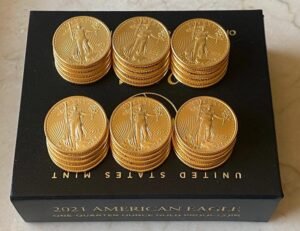

A gold bar is compact by design. That is part of its appeal as a portable store of wealth, but it also means a relatively small amount of physical space can represent a significant investment. Learning how to store gold bars is therefore not an afterthought after purchase. It is a core part of protecting the asset, preserving its liquidity, and maintaining confidence in your long-term ownership plan.
The right storage choice depends on the value of your holdings, how often you may need access, your insurance requirements, and your preference for privacy. A first-time buyer with a few small bars may make a different decision than an investor holding a substantial allocation of wholesale-format bullion. The goal is the same in either case: keep your metals secure, identifiable, insured where appropriate, and available when you need them.
Start With Your Storage Priorities
Before choosing a location, be clear about what you expect from storage. Security is usually the first priority, but it is not the only one. Immediate access, discretion, insurance coverage, cost, and geographic diversification can all affect the decision.
Home storage provides direct possession and avoids reliance on a third party. A bank safe-deposit box may offer a familiar facility, although access can be restricted by banking hours and policies. A professional private vault generally provides the strongest physical security and specialized insurance options, but it introduces ongoing fees and requires you to understand the custody arrangement.
For many investors, the best answer is not necessarily one location. Splitting holdings between a secure home safe and a professional vault can reduce the risk of a single point of failure while keeping a portion of bullion readily accessible.
How to Store Gold Bars at Home
Home storage can be appropriate for investors who place a high value on direct physical control. It is also practical for a modest holding, provided the security measures match the value being stored.
A quality safe is the foundation. Look beyond a lightweight consumer safe or a simple lockbox. A suitable bullion safe should be burglary-rated, heavy enough to resist removal, and professionally anchored to concrete or structural framing. Fire protection is useful, but a fire rating alone does not make a safe resistant to forced entry. The safe should ideally be installed in a location that is not obvious to visitors or service providers.
Avoid treating concealment as your only security measure. Unsecured gold stored in drawers, closets, furniture, or improvised hiding places is vulnerable to theft, fire, accidental disposal, and loss by family members who do not know what they are handling. A concealed, anchored safe combined with a monitored alarm system and controlled access offers a far stronger defense.
Keep bars in their original assay cards, sealed packaging, or mint packaging whenever possible. Recognized refiners commonly provide serial numbers, purity markings, and assay documentation. These details support authenticity and can make future resale more straightforward. Do not write directly on packaging, remove bars unnecessarily, or store them where moisture, household chemicals, or abrasive materials could cause damage.
Home Insurance Requires a Careful Review
Many standard homeowners or renters policies have limited coverage for precious metals, or they may exclude bullion losses under certain circumstances. Do not assume the full replacement value of your gold bars is covered simply because the metals are inside your home.
Review the policy language, coverage limits, deductibles, and documentation requirements. In some cases, a separate valuable-items endorsement or specialized precious-metals policy may be available. Insurers may require proof of purchase, photographs, inventory records, and specific safe or alarm standards. Confirm coverage before a loss occurs, not after it.
Using a Bank Safe-Deposit Box
A bank safe-deposit box can offer an additional layer of physical security away from the home. For investors who value a familiar institution and do not need around-the-clock access, it can be a reasonable option for a limited portion of a bullion position.
The trade-off is access and insurance. Safe-deposit boxes are generally accessible only during the bank’s operating hours, and access may be delayed during closures, emergencies, estate settlement, or administrative issues. Contents are also not typically covered by FDIC insurance. That protection applies to qualifying deposit accounts, not the physical property kept in a box.
If you choose this route, verify the bank’s rules on bullion storage and arrange separate insurance if needed. Keep a detailed inventory outside the box, since the box itself should not be the only place where ownership records are stored. It is also wise to understand who else is authorized to access the box and what happens if an owner becomes incapacitated or dies.
Professional Bullion Vaults Offer Specialized Protection
For substantial holdings, private vault storage is often the most security-focused choice. Reputable facilities are designed for high-value assets and may offer controlled entry, surveillance, alarm systems, inventory reporting, and insurance arrangements tailored to precious metals.
The most significant question is how your gold is held. Ask whether the storage is allocated, segregated, or unallocated. Allocated storage means metal is assigned to you, though it may be held alongside other clients’ identified holdings depending on the provider’s procedures. Segregated storage generally means your specific bars are separately identified and stored apart from other customers’ property. Unallocated arrangements may provide exposure to metal but do not necessarily mean you own specific physical bars in custody.
For investors seeking clear physical ownership, documented allocated or segregated storage is generally the more direct fit. Request information on bar serial numbers, inventory statements, audit practices, insurance limits, withdrawal procedures, and the legal ownership structure. A credible vault provider should be able to explain these terms plainly.
Professional vaulting can also support geographic diversification. Holding some bullion outside your immediate area may reduce exposure to localized risks such as natural disasters, extended power outages, or regional disruptions. That said, international storage can add complexity around travel, reporting obligations, access, and withdrawal logistics. The convenience of a nearby vault may outweigh the benefits of a distant location for some investors.
Protect the Chain of Ownership
Secure storage is not only about preventing theft. It is also about preserving the documentation that supports authenticity, insurance claims, estate planning, and eventual resale.
Maintain a private inventory that includes the bar type, refiner, weight, purity, serial number when applicable, purchase date, and purchase price. Retain invoices, assay certificates, insured-delivery records, and photographs of packaging. Keep digital copies in encrypted storage and paper copies in a separate secure location.
Do not publicize your holdings. Casual discussions, social media posts, and avoidable disclosures can create unnecessary personal security risks. This principle applies to storage providers as well: share only the information required to establish service, insurance, or legal ownership.
If more than one person may need to access the bullion, define that arrangement in advance. Estate documents should address who inherits the metals and how they can locate the inventory and storage instructions. The location of your gold does not need to be written into a will, but trusted representatives should have a secure way to obtain the necessary information.
Plan for Moving Gold Bars Safely
Transportation is one of the moments when physical bullion is most exposed. Avoid moving sizable holdings casually or predictably. If you are transferring gold from delivery to storage, use discretion, confirm insurance coverage during transit, and consider professional secure transport for higher-value shipments.
For future sales or withdrawals, inspect bars and packaging before movement. Keep all documents organized, and use insured methods appropriate to the value involved. Recognized investment-grade bars from established refiners are generally easier to verify and resell when their original packaging and documentation remain intact.
A disciplined storage plan gives physical gold the protection its role in a portfolio demands. Whether you choose a properly secured home safe, a bank box, a professional vault, or a combination of options, make the decision deliberately, document your holdings carefully, and revisit the plan as the value of your bullion position grows.