
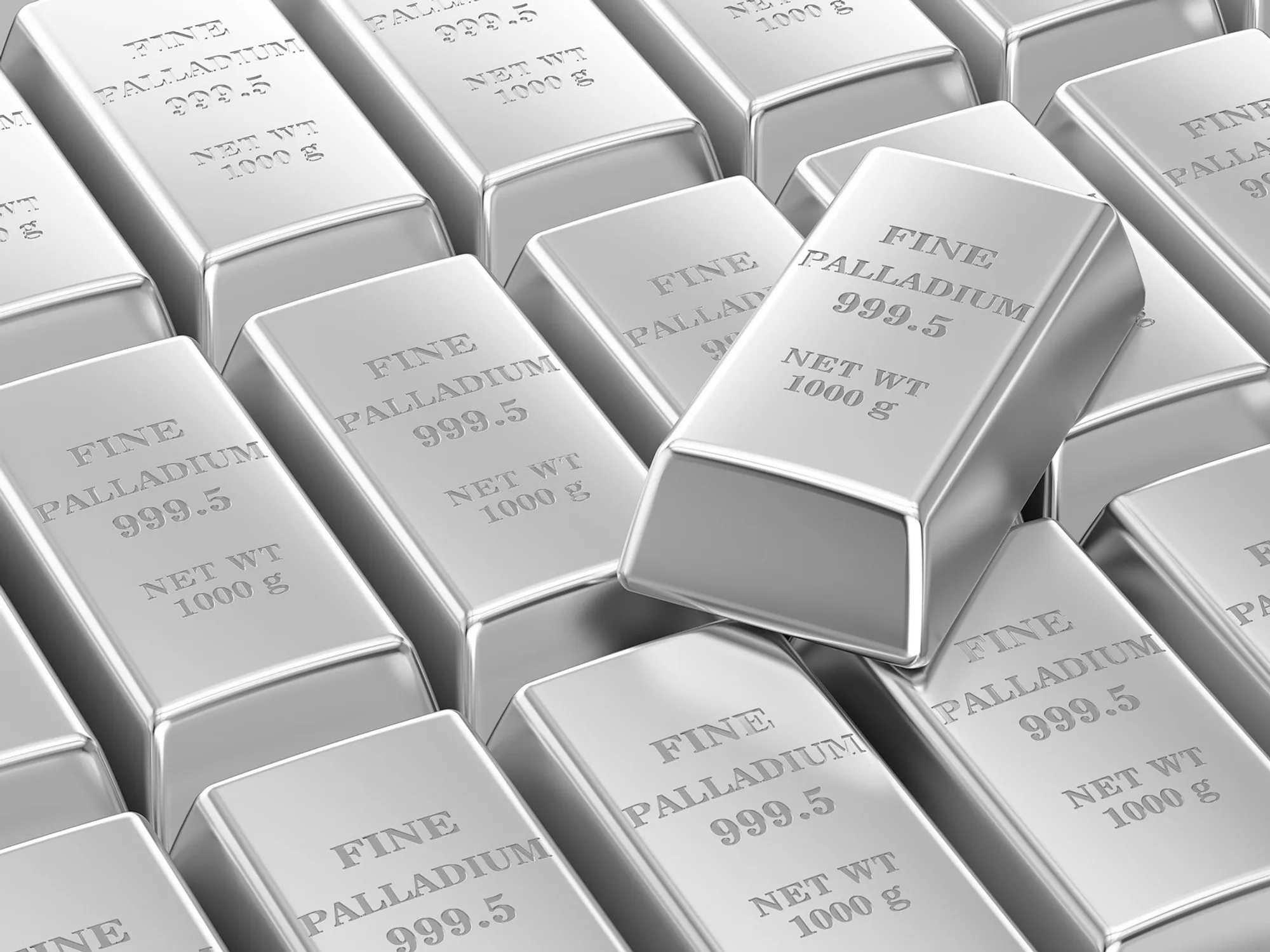
A lot of investors ask, should I buy palladium bullion when the price looks volatile and the headlines are mixed? That is the right question to ask, because palladium is not a casual precious metals purchase. It can play a useful role in a hard asset strategy, but it demands a clearer risk tolerance and a more selective approach than gold or silver.
Palladium sits in a different category from the metals most investors know best. Gold is often bought for monetary stability. Silver attracts both investors and industrial buyers. Palladium is heavily shaped by industrial demand, especially from the automotive sector, which means its price can move sharply when supply chains, emissions rules, or manufacturing trends change.
For that reason, the answer is not simply yes or no. Palladium bullion can make sense if you want exposure to a scarcer physical metal with real industrial relevance and are comfortable with larger price swings. It may be less suitable if your main goal is conservative wealth preservation with lower volatility.
Should I Buy Palladium Bullion for Wealth Protection?
If your priority is pure wealth protection, palladium is usually not the first metal investors buy. Gold generally carries that role because it has a deeper history as a store of value, broader recognition, and more stable long-term demand across investor groups and central banks. Silver often follows because it is more affordable and widely traded.
Palladium can still contribute to asset protection, but in a narrower way. It offers physical ownership outside the financial system, recognized purity standards when sourced correctly, and diversification beyond traditional paper assets. What it does not offer to the same degree is the broad defensive profile investors typically associate with gold bullion.
That distinction matters. If you are building a first precious metals position, palladium is often better viewed as a satellite allocation rather than the foundation of your holdings. For investors who already own gold and silver, adding palladium may provide another layer of diversification inside a physical metals portfolio.
What makes palladium attractive
The strongest case for palladium starts with scarcity. Palladium is rarer than gold and silver, and global supply is concentrated in a limited number of producing regions. That concentration can create pricing pressure when mining output is disrupted or when industrial demand rises unexpectedly.
It also has a practical use case that goes beyond investor sentiment. Palladium has been widely used in catalytic converters and other industrial applications, which gives it a demand profile tied to manufacturing activity and regulatory standards. Unlike metals driven mainly by investment demand, palladium can respond quickly to real-world production trends.
For some investors, that is a benefit. Physical palladium bullion offers exposure to a metal that is both scarce and economically relevant. In the right market environment, that combination can support strong price performance.
There is another factor worth considering. Because palladium is less commonly held by retail investors than gold or silver, it can be overlooked until market conditions shift. Investors who understand the metal and buy with discipline may see value when sentiment is weak and supply fundamentals remain tight.
The risks are real, and they are not minor
Anyone asking should i buy palladium bullion should spend at least as much time on the risks as the upside. Palladium has a history of significant price swings. It can rise quickly, but it can also fall hard when industrial demand weakens, automakers change material usage, or recession fears hit manufacturing sectors.
Substitution risk is especially important. In some industrial applications, manufacturers can shift between palladium, platinum, and other materials depending on price and availability. If palladium becomes too expensive relative to alternatives, demand can soften. That is not a small technical detail. It is one of the main reasons palladium can move very differently from gold.
Liquidity is another practical consideration. Physical palladium products are real bullion assets, but the market is generally narrower than the market for gold and silver. That does not mean you cannot buy or sell it. It means spreads, product selection, and buyer demand may vary more by product type and market conditions.
Then there is volatility itself. Some investors say they are comfortable with price fluctuations until they see a meaningful drawdown in a specialized metal. If you are likely to second-guess your position during fast market moves, palladium may be harder to hold with conviction.
When buying palladium bullion can make sense
Palladium tends to make the most sense in a few specific situations. One is when you already have core exposure to gold and silver and want to broaden your physical metals allocation. Another is when you have a higher risk tolerance and are intentionally seeking exposure to a scarcer metal with industrial demand drivers.
It can also make sense if your investment horizon is long enough to absorb short-term volatility. Physical bullion is not ideal for investors trying to trade every short market move. It is better suited to buyers who want tangible ownership and can hold through changing cycles.
A disciplined buyer will also pay attention to premiums, product recognition, and source quality. In a specialized market like palladium, recognized coins and bars from respected mints matter. Authenticity, purity standards, and insured delivery are not optional details. They are central to protecting resale value and confidence in your holdings.
Should I buy palladium bullion or choose gold instead?
This is usually the more practical question. If you are choosing between the two, gold is the more conservative option for most investors. It is easier to understand, easier to liquidate broadly, and more established as a long-term store of value. For first-time bullion buyers, gold often provides a clearer entry point.
Palladium is the more specialized allocation. It may offer stronger upside in certain market conditions, but it comes with less predictability and more exposure to industrial cycles. If your portfolio needs stability, gold will usually fit better. If your portfolio already has stability and you want targeted diversification, palladium becomes more compelling.
The decision does not have to be either-or. Many serious bullion investors build around gold, add silver for flexibility, and then consider platinum or palladium in smaller percentages. That approach reflects the reality that different metals serve different purposes.
Choosing the right physical palladium product
If you decide to buy, product selection matters. Investment-grade palladium bullion is commonly available in coins and bars, and the best choice depends on your goals. Coins from internationally recognized government mints may carry stronger recognition with some buyers, while bars can make sense for investors focused on efficient weight and straightforward pricing.
You should expect palladium to carry different premiums than gold or silver, and availability can be tighter depending on market conditions. That makes dealer credibility especially important. A trustworthy dealer should provide clear pricing, product specifications, and confidence in authenticity and handling.
Secure storage also deserves attention before you buy. Palladium is a high-value asset, so whether you store it privately or in a professional facility, the storage plan should be in place first. Buying physical bullion without a storage strategy weakens the point of owning hard assets in the first place.
A disciplined way to decide
Instead of asking whether palladium is good or bad, ask whether it fits your objective. If your goal is broad wealth preservation, start with the metals that historically serve that role best. If your goal is to add a smaller, higher-conviction position in a scarce physical metal, palladium may deserve a place.
The strongest palladium buyers are usually the ones who do not force it into the wrong job. They do not expect it to behave exactly like gold. They understand its industrial exposure, accept its volatility, and buy recognized physical products through secure, transparent channels. That is the difference between owning palladium as a considered asset and speculating on a headline.
For investors who want physical ownership with recognized standards, secure fulfillment, and credible product sourcing, working with a dealer such as Omega Bullion Vault can reduce avoidable risk at the point of purchase. That matters more with specialized bullion, where trust and product quality have a direct impact on long-term confidence.
If you are still deciding, the most useful next step is not trying to predict the perfect entry point. It is deciding what role palladium would play in your portfolio, and whether that role truly matches your tolerance for risk, volatility, and long-term ownership.