Silver often gets serious attention when inflation is sticky, markets feel overvalued, or investors want more tangible assets outside the banking system. That is usually when the question becomes practical rather than theoretical: is it worth buying silver bullion if your goal is long-term wealth protection, portfolio diversification, or a hedge against monetary uncertainty?
The short answer is yes, for many investors, but not for every investor and not in every allocation. Silver bullion can play a useful role in a disciplined portfolio, especially for buyers who value physical ownership and want exposure to a precious metal with both monetary history and industrial demand. At the same time, silver is more volatile than gold, takes up more storage space per dollar invested, and can be less efficient if you buy the wrong products or pay too much in premiums.
Is it worth buying silver bullion for long-term investors?
For long-term investors, silver bullion can make sense when the purpose is clear. It is not primarily an income-producing asset. It does not pay interest or dividends, and it should not be judged by the same standards as a stock portfolio or a bond ladder. Physical silver is typically purchased for preservation, diversification, and direct ownership of a real asset that carries no issuer risk.
That distinction matters. If your priority is to hold part of your wealth in a form that is tangible, globally recognized, and independent of a financial intermediary, silver has merit. Recognized silver bullion bars and sovereign-minted coins are easy to understand, easy to verify when sourced properly, and widely traded. In periods of financial stress, that simplicity has value.
Silver also occupies a middle ground that appeals to many buyers. Gold is often viewed as the primary monetary metal, but silver offers lower entry points and broader accessibility. For first-time bullion investors, buying a few ounces of silver is often easier than starting with gold. For larger buyers, silver can be accumulated in volume as part of a broader precious metals strategy.
What gives silver bullion investment value?
Silver has two overlapping sources of demand. The first is investment demand. Investors buy silver as a store of value, a hedge against currency weakness, and a physical asset held outside traditional paper markets. The second is industrial demand. Silver is used in electronics, solar technology, medical applications, and other manufacturing processes because of its conductivity and other physical properties.
That dual role can support long-term demand, but it also introduces complexity. Gold tends to trade more directly on monetary fears, central bank behavior, and macroeconomic sentiment. Silver is influenced by those factors too, but industrial cycles can have a stronger impact. That can create larger price swings, both upward and downward.
For some investors, that volatility is precisely why silver is attractive. It can offer more upside during strong precious metals cycles. For others, the same volatility is a reason to limit position size and treat silver as one component of a broader hard asset allocation rather than a standalone strategy.
When silver bullion makes the most sense
Silver bullion tends to make the most sense when your objective is not short-term speculation but resilient ownership. Investors often consider it in a few specific situations.
One is portfolio diversification. If most of your wealth is concentrated in equities, real estate, or cash, silver can add a different type of exposure. It will not always move opposite the stock market, but it is driven by a different set of forces than corporate earnings or bond yields.
Another is inflation and currency concern. Silver is not a perfect inflation hedge on a quarter-to-quarter basis, but over longer periods it is often considered by investors who want some protection against declining purchasing power.
A third is accessibility. Silver bullion allows investors to build a physical metals position gradually. That is useful for buyers who want to average in over time rather than commit a larger amount to gold in one purchase.
The trade-offs investors should understand
If you are asking is it worth buying silver bullion, the answer depends as much on the drawbacks as the benefits.
The first trade-off is volatility. Silver prices can move sharply. That can reward patient buyers, but it also means silver may test your conviction during pullbacks. If you are uncomfortable with price swings, silver may feel more aggressive than expected for a defensive asset.
The second is storage efficiency. A meaningful dollar amount in silver takes up much more space than the same amount in gold. That affects home storage, insured vaulting, and transport. Physical ownership has advantages, but it also carries practical responsibilities.
The third is premiums. Silver bullion products usually carry fabrication, distribution, and dealer premiums above the spot price. Smaller products often have higher premiums per ounce than larger bars. If you buy impulsively, chase novelty items, or select products with weak resale recognition, your cost basis may be harder to overcome.
Liquidity also depends on what you buy. Widely recognized government-minted coins and investment-grade bars from established refiners generally offer stronger resale confidence than obscure or collectible products. For investors, standard bullion is usually the cleaner choice.
Coins, bars, or rounds?
Your format matters almost as much as your timing. Silver coins, bars, and rounds each serve different needs.
Sovereign coins such as American Silver Eagles or Canadian Silver Maple Leafs tend to offer strong recognizability and broad market acceptance. They may come with higher premiums, but many investors value the ease of resale and the confidence associated with government mints.
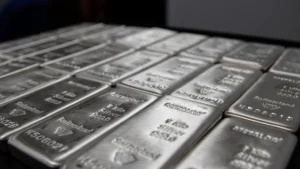
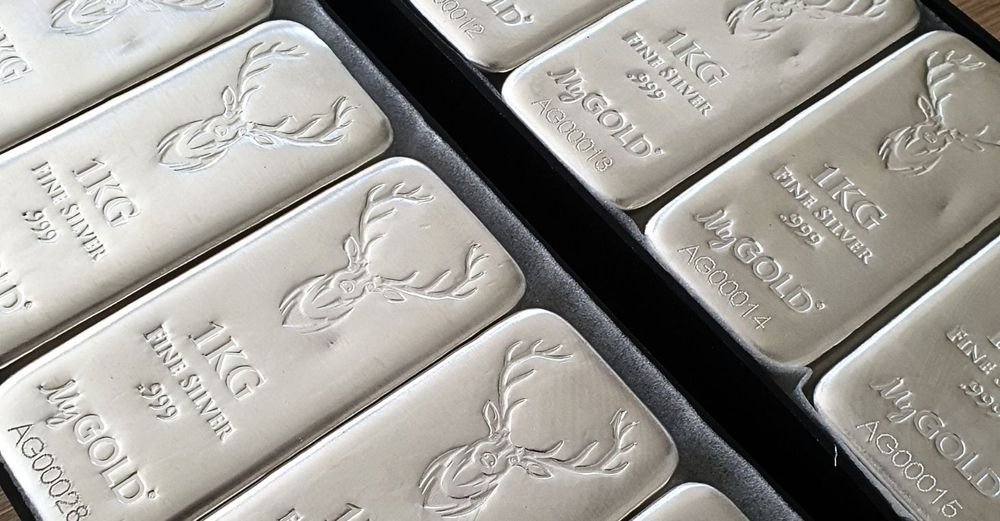
Silver bars often provide lower premiums per ounce, especially in larger sizes. That can make them more efficient for investors focused on maximizing silver weight for their budget. The trade-off is that very large bars may be less flexible if you later want to sell only part of your holdings.
Rounds can also offer affordable exposure to silver, but investors should be selective. The quality of the mint, design recognition, and market acceptance all matter. For buyers focused on liquidity and trust, recognized bullion products are usually the stronger route.
How much silver bullion is enough?
There is no universal number. The right allocation depends on your net worth, risk tolerance, existing portfolio, and reasons for buying. Some investors treat silver as a modest satellite position within a broader precious metals allocation. Others build larger positions because they have a stronger view on inflation, monetary instability, or silver’s upside potential.
What matters most is discipline. Silver should fit a plan. If you are buying because headlines are loud or prices just spiked, you are more likely to make emotional decisions. If you are buying steadily as part of a long-term asset protection strategy, silver becomes easier to evaluate and hold.
What to look for before you buy
The quality of the dealer and the quality of the product are central. Investors should focus on authenticity, clearly stated purity, recognized mint sources, transparent pricing, and secure delivery procedures. Insured shipping and proper packaging are not minor operational details. They are part of the investment process because they reduce avoidable risk.
This is where a disciplined dealer relationship matters. Omega Bullion Vault, for example, focuses on investment-grade bullion, recognized sourcing, transparent pricing, and insured delivery because those are the standards serious bullion buyers expect.
It is also wise to think about storage before purchasing. If you intend to self-store, your security setup matters. If you intend to use a vaulting solution, understand the costs and terms in advance. Storage is not an afterthought with silver because volume adds up quickly.
So, is it worth buying silver bullion?
For investors who want direct ownership of a tangible asset, silver bullion is often worth buying. It can strengthen diversification, provide exposure to a globally recognized precious metal, and support a long-term wealth preservation strategy outside purely paper-based holdings.
But silver is not a shortcut to certainty. It works best when bought in recognized formats, from trusted sources, with realistic expectations about volatility, premiums, and storage. If you need income, low volatility, or high-value density, silver may not be the first precious metal to prioritize. If you want accessible physical metal with long-term strategic value, it deserves serious consideration.
A good silver purchase usually starts with a simple question: are you buying metal, or are you buying peace of mind through real ownership? If the second answer matters to you, silver bullion may be doing exactly the job you need.