
Silver demand tends to rise when investors start questioning the durability of paper assets, the direction of inflation, or the stability of the broader economy. That is usually when people begin asking how to invest in silver bullion, not as a trade built on headlines, but as a practical decision about protecting purchasing power with a tangible asset they can actually own.
Physical silver bullion appeals to a different mindset than stocks, funds, or derivatives. You are not buying a management team, projected earnings, or a financial promise from a third party. You are buying a measurable amount of precious metal with recognized purity standards, market liquidity, and a long history as a store of value. For many investors, that distinction is the point.
What it means to invest in silver bullion
Silver bullion refers to investment-grade silver products valued primarily for their metal content rather than rarity or collectible appeal. In practice, that usually means bars, rounds, and government-issued bullion coins produced to recognized purity standards. Most investment silver is .999 fine, although some products vary slightly depending on mint specifications.
If your goal is wealth preservation, the bullion category matters. Numismatic and semi-numismatic products can carry high markups based on rarity, condition, and collector demand. That can work for specialists, but it introduces variables that many investors are not trying to buy. Bullion is generally the more direct approach because its value tracks the underlying silver price more closely, with a dealer premium added for fabrication, handling, and market demand.
How to invest in silver bullion without overcomplicating it
The first decision is not when to buy. It is why you are buying. If silver is meant to serve as a hedge against inflation, currency erosion, or financial uncertainty, your strategy should focus on recognized products, sensible premiums, and secure storage. If you are looking for short-term price moves, physical bullion may still have a place, but the spread between buy and sell prices becomes more relevant.
That is why disciplined investors usually begin with a clear allocation target. Rather than trying to time every move in the silver market, they decide how much of their portfolio they want in physical precious metals and build their position gradually. This approach tends to reduce emotional buying and keeps silver in its proper role inside a broader wealth protection plan.
Coins, bars, and rounds
Silver bullion comes in several forms, and the right choice depends on what you value most.
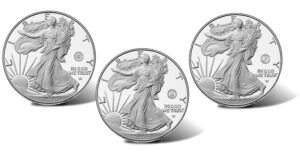
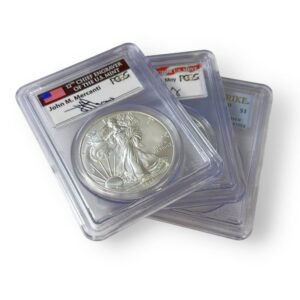
Government-issued silver coins are often the first choice for new buyers because they are widely recognized, easy to verify, and highly liquid. Products from established sovereign mints can be especially attractive if resale flexibility matters to you. They often carry higher premiums than bars, but many investors accept that trade-off because recognition can support easier transactions later.
Silver bars usually offer lower premiums per ounce, especially as size increases. That makes them appealing for investors focused on maximizing metal weight for the dollar. The trade-off is that very large bars can be less flexible if you later want to sell only part of your holdings. A 1-ounce coin is easier to liquidate in small increments than a 100-ounce bar.
Rounds are privately minted and typically priced competitively, but they are not legal tender coins. For cost-conscious buyers, they can make sense, provided they come from recognized private mints with clear weight and purity markings.
Start with products the market already trusts
When evaluating what to buy, recognition matters. Products from established government and private mints tend to inspire more confidence because their specifications are known and their authenticity is easier to assess in the market. Investors should look for clearly marked weight, purity, and mint origin. That is a basic standard, not a premium feature.
A lower price is not automatically better if it comes with uncertainty about sourcing, condition, or resale acceptance. In silver investing, confidence in what you own is part of the value.
Understand spot price, premiums, and total cost
One of the most common mistakes in physical bullion buying is focusing only on the silver spot price. Spot is the base market value of raw silver, but physical products almost always trade above that level. The difference is the premium, and it reflects minting, distribution, dealer operations, market conditions, and product popularity.
For example, highly recognized bullion coins often carry a higher premium than larger bars. During periods of strong retail demand or supply disruption, premiums can rise sharply even if spot prices are relatively stable. That does not always mean silver is overpriced. It may simply mean physical inventory is tighter and fabrication capacity is under pressure.
What matters is your all-in acquisition cost. Serious buyers compare products by price per ounce, not just by sticker price, and they weigh that against liquidity, recognizability, and intended holding period. Paying a modestly higher premium for a product that is easier to sell later can be a rational decision.
Buy from a dealer built around authenticity and secure delivery
If you are learning how to invest in silver bullion, dealer selection is just as important as product selection. Physical ownership only works as a wealth protection strategy if the metal is authentic, properly sourced, and delivered securely.
A credible dealer should provide clear pricing, product specifications, and evidence of dealing in investment-grade bullion from recognized mints. Insured shipping matters because silver is a physical asset with real value in transit. So does operational transparency. Investors should know what they are buying, what purity standard applies, how products are packaged, and what to expect from fulfillment.
This is one reason many investors prefer dealers such as Omega Bullion Vault that emphasize recognized bullion sourcing, transparent pricing, and insured delivery. In this market, trust is not a marketing angle. It is part of the asset protection process.
Decide where your silver will be stored
Buying silver is only half the decision. Storing it properly is what turns ownership into a durable investment position.
Home storage offers immediate access and direct control, which some investors strongly prefer. But that control comes with responsibility. Silver is bulky relative to its value, especially in larger quantities, so storage can become a practical issue faster than many first-time buyers expect. Security, privacy, insurance, and environmental protection all matter.
Third-party storage can reduce those burdens and may be more appropriate for larger holdings. The right choice depends on volume, personal security preferences, and whether easy access is a priority. There is no universal answer, but there is a consistent principle: your storage plan should be decided before the purchase, not after it arrives.
Build a strategy instead of chasing a perfect entry point
Silver can be volatile. That volatility is part of why disciplined accumulation often works better than trying to call the exact bottom.
Many investors use periodic purchases to average their cost over time. This approach reduces the pressure to make one perfectly timed decision and can be especially useful if silver is being accumulated for long-term wealth preservation. Others prefer opportunistic buying during price pullbacks. Both approaches can work, but each requires discipline.
What tends to create problems is buying emotionally after a sharp move higher, then becoming frustrated by normal price swings. Physical silver is best treated as a strategic holding, not a source of instant validation.
Know the trade-offs before you commit capital
Silver bullion has real strengths, but it is not frictionless. It does not generate income. It takes space to store. Premiums and resale spreads affect short-term performance. Compared with gold, silver is often more volatile and more industrially sensitive.
Those are not reasons to avoid it. They are reasons to size your position intelligently. For many investors, silver works best as one component of a diversified hard-asset allocation rather than a single high-conviction bet.
This is especially true for first-time buyers. Starting with recognizable, liquid products in manageable quantities can provide flexibility while you gain experience with pricing, storage, and market behavior.
A practical standard for first purchases
If you are ready to act, keep your first purchases simple. Focus on investment-grade silver bullion from widely recognized mints, compare total price per ounce, and choose a format that matches your budget and storage plan. Avoid treating novelty products, limited-edition themes, or high-premium collectibles as the core of an investment strategy unless you specifically understand that market.
The strongest silver positions are usually built on consistency, not complexity. A portfolio of recognizable bullion products bought through a trusted dealer is often more resilient than a collection assembled around impulse, noise, or exaggerated claims about what silver will do next.
Physical silver asks for a serious mindset. If you buy with clear purpose, insist on authenticity, and think through storage and liquidity before the transaction, bullion can serve exactly the role many investors want from it – tangible ownership, portfolio diversification, and a measure of protection when confidence in financial systems becomes harder to take for granted.