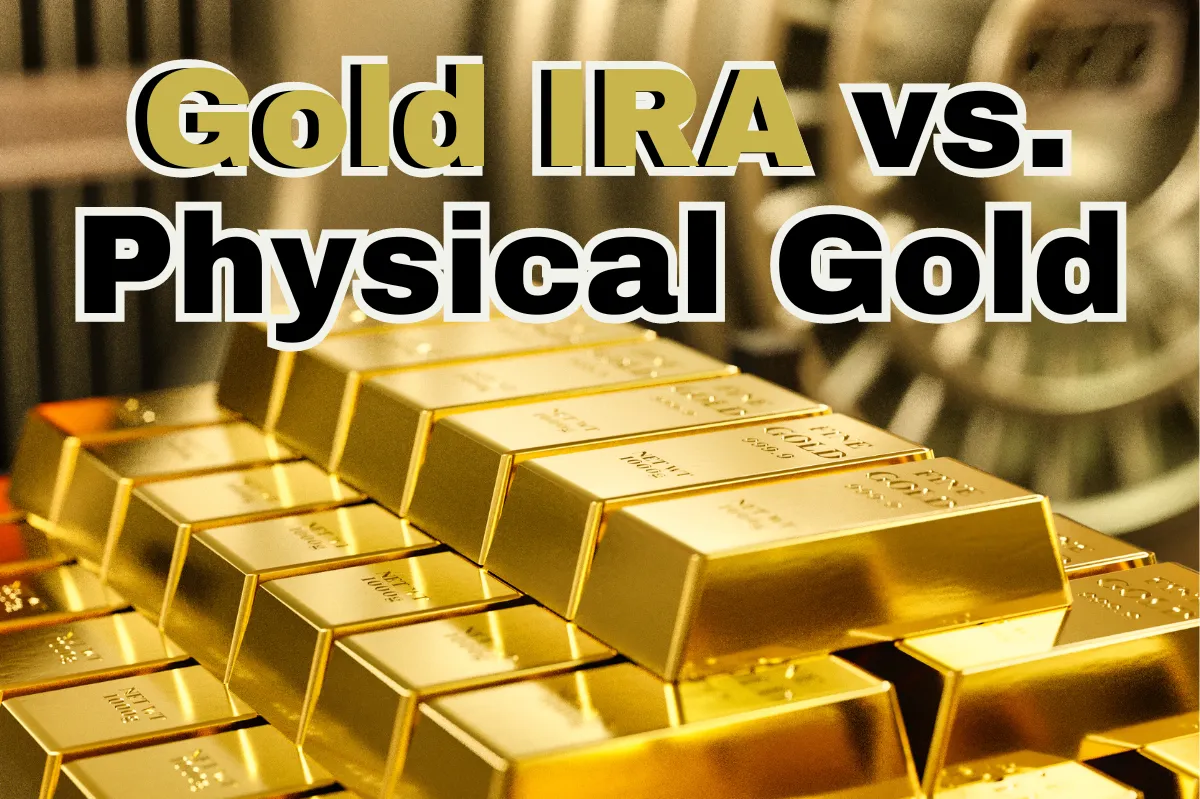
A gold IRA can hold physical metal, but not just any coin or bar you prefer. The gold IRA physical bullion rules are specific, and small mistakes can create tax problems, disqualify assets, or trigger distributions you did not intend. For investors using precious metals as part of a long-term wealth preservation plan, understanding those rules matters as much as choosing the metal itself.
This is where many buyers get tripped up. They assume that if a product is genuine bullion and widely traded, it must qualify for an IRA. In practice, eligibility depends on IRS standards, approved custody, and how the metal is stored and documented. A sound purchase for direct personal ownership is not always a sound purchase for a retirement account.
What the gold IRA physical bullion rules actually cover
At a high level, the rules govern three things: what metals are allowed, how those metals must be held, and who controls custody. A self-directed IRA can own certain precious metals, including gold, silver, platinum, and palladium, but the assets must meet specific fineness standards and must generally be held by an approved trustee or custodian rather than by the account owner.
That last point is the one investors most often underestimate. A gold IRA is not simply a personal safe full of retirement metals. The account is a regulated retirement structure, and the physical bullion inside it has to be purchased, recorded, and stored within that framework.
IRS-approved bullion is narrower than many investors expect
For gold, the general fineness requirement is .995. Silver is typically .999, platinum and palladium are generally .9995. Those thresholds help explain why some products qualify and others do not, even when both are legitimate bullion.
Many widely recognized bullion bars from reputable refiners can qualify if they meet the required purity and are accepted by the IRA custodian. Certain government-issued coins may also qualify. However, collectible or numismatic coins are usually excluded, even when they contain precious metal. The IRS is focused on bullion standards, not rarity premiums or collector appeal.
This creates an important distinction for investors. A rare coin may be valuable, authentic, and desirable, but still be unsuitable for an IRA. On the other hand, a straightforward investment-grade bar with recognized purity and documentation may fit the rules cleanly. For retirement accounts, simplicity often works in your favor.
Coins versus bars inside a gold IRA
Both coins and bars can be eligible, but the choice affects liquidity, premiums, and administrative ease. Coins from major sovereign mints are often familiar and easy to recognize, which some investors value. Bars can offer lower premiums per ounce, especially in larger formats, which may appeal to cost-conscious buyers building a position over time.
The trade-off is practical. Larger bars may be efficient from a pricing standpoint, but they can be less flexible when liquidation time comes. Smaller bars or approved coins may carry slightly higher premiums, yet they often provide more optionality. The best format depends on account size, long-term goals, and how the custodian handles approved inventory.
Storage rules are not optional
One of the clearest gold IRA physical bullion rules is that the investor cannot take personal possession of the IRA metals while they remain in the account. The bullion must be stored through an approved depository or under the control of the IRA custodian, depending on the account arrangement.
This means home storage is generally not permitted for IRA-owned bullion, no matter how secure your personal arrangements may be. Storing IRA metals in a home safe, a personal vault, or any location outside the approved custody structure can expose the account to serious compliance issues. In many cases, the IRS may treat that as a distribution, which can lead to taxes and possible penalties.
For investors who value direct possession, that does not mean physical bullion is off the table. It simply means there is a difference between personally owned bullion and IRA-owned bullion. Many disciplined investors choose to hold both, using one strategy for retirement accounts and another for assets they want immediate personal control over.
The custodian plays a central role
A gold IRA requires a qualified custodian or trustee to administer the account. That custodian is responsible for reporting, recordkeeping, and ensuring the account operates within retirement account rules. In practice, this means the custodian will often determine which products are acceptable, how purchases are processed, and which storage partners can be used.
This is why product eligibility should never be judged by appearance alone. Even if a bar meets the purity requirement, it still needs to be acceptable within the custodian’s procedures. Investors should confirm approval before purchase, not after funds have been committed.
A reputable bullion dealer can help by supplying recognized products with established purity standards and clear documentation. That reduces friction, but it does not replace the custodian’s role. The account framework always comes first.
Common mistakes investors make with gold IRAs
The first mistake is buying a product because it is popular rather than because it is IRA-eligible. Many investors know certain coins are widely traded and assume that broad market acceptance equals retirement account approval. That is not always true.
The second is misunderstanding storage. Investors who are otherwise careful sometimes blur the line between personal bullion ownership and IRA ownership. The rule is straightforward: if the metal belongs to the IRA, it cannot be held personally.
The third is focusing only on gold and ignoring the broader eligible metals category. Depending on the investor’s objective, silver, platinum, or palladium may also play a role. Gold is often the first consideration because of its history as a monetary asset, but diversification inside a precious metals IRA can be worth evaluating.
The fourth is failing to consider costs beyond the metal price. A gold IRA involves custodian fees, storage fees, and sometimes transaction charges. Physical bullion still offers the core benefit of tangible asset exposure, but the economics should be reviewed in full rather than judged only by spot price.
How rollover funding affects the process
Many investors enter a gold IRA through a rollover from an existing retirement account. The funding method matters because errors in the rollover process can create avoidable tax consequences. Direct rollovers are generally cleaner than taking possession of funds and trying to redeposit them later.
That administrative detail may seem separate from bullion selection, but it is not. The structure of the transaction affects whether the account remains compliant from the beginning. Investors are usually best served by handling the rollover and the metal purchase as coordinated parts of one plan rather than treating them as unrelated steps.
What to look for when selecting IRA-eligible bullion
The strongest candidates are usually investment-grade products from recognized government mints and established private refiners with internationally recognized purity standards. Clear specifications, strong market recognition, and straightforward pricing all matter. Products with heavy collectible premiums or ambiguous eligibility deserve extra caution.
This is one area where a disciplined bullion sourcing standard makes a real difference. Dealers focused on authenticity, purity verification, and recognized product lines help reduce the risk of buying something that creates administrative complications later. For retirement accounts, consistency matters more than novelty.
Why recognized standards matter
Recognized standards support more than compliance. They also support liquidity, valuation, and investor confidence. When a product’s weight, purity, and origin are widely understood, it is easier for custodians, depositories, and future buyers to handle that asset efficiently.
That matters whether you are a first-time investor or allocating substantial capital. Precious metals should bring clarity to a portfolio, not uncertainty. IRA-compatible bullion works best when it is easy to verify, easy to store within approved channels, and easy to value.
When a gold IRA makes sense – and when direct ownership may be better
A gold IRA can make sense for investors who want precious metals exposure inside a tax-advantaged retirement structure and are comfortable with third-party custody. It can also fit investors who already understand that retirement assets follow different rules than personally held property.
Direct personal ownership may be better suited to investors whose top priority is immediate possession and independent storage control. Neither route is automatically superior. It depends on whether the primary goal is retirement account diversification, direct hard-asset access, or a combination of both.
For many investors, the smartest approach is to separate those goals clearly. Use IRA-eligible bullion for retirement planning, and personally owned bullion for assets you want outside the custodial system. That distinction tends to reduce confusion and improve decision-making.
If you are evaluating products for a retirement account, take a conservative approach. Verify eligibility, confirm custodian acceptance, and choose bullion that is built around recognized standards rather than marketing appeal. In precious metals, disciplined decisions usually age better than rushed ones.