A rising silver price can make two investors feel equally right for very different reasons. One owns shares in a mining company and expects operational leverage to amplify gains. The other holds physical metal and cares less about quarterly earnings than direct ownership. That is the core of silver stock vs silver bullion: both offer exposure to silver, but they behave differently when markets, companies, and investor sentiment shift.
For investors focused on wealth preservation, the distinction matters. Silver stocks are paper assets tied to businesses. Silver bullion is a tangible asset with recognized purity, measurable weight, and direct ownership. The better choice depends on what you want silver to do inside your portfolio.
Silver stock vs silver bullion: the real difference
Silver stocks represent equity in companies involved in silver mining, exploration, or production. When you buy a silver miner, you are buying a business with management decisions, operating costs, debt levels, geopolitical exposure, and project risks. Silver prices influence those companies, but they do not control the full outcome.
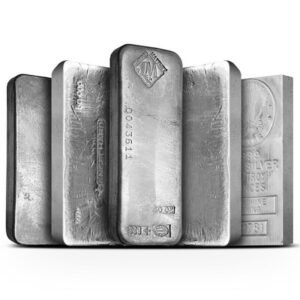
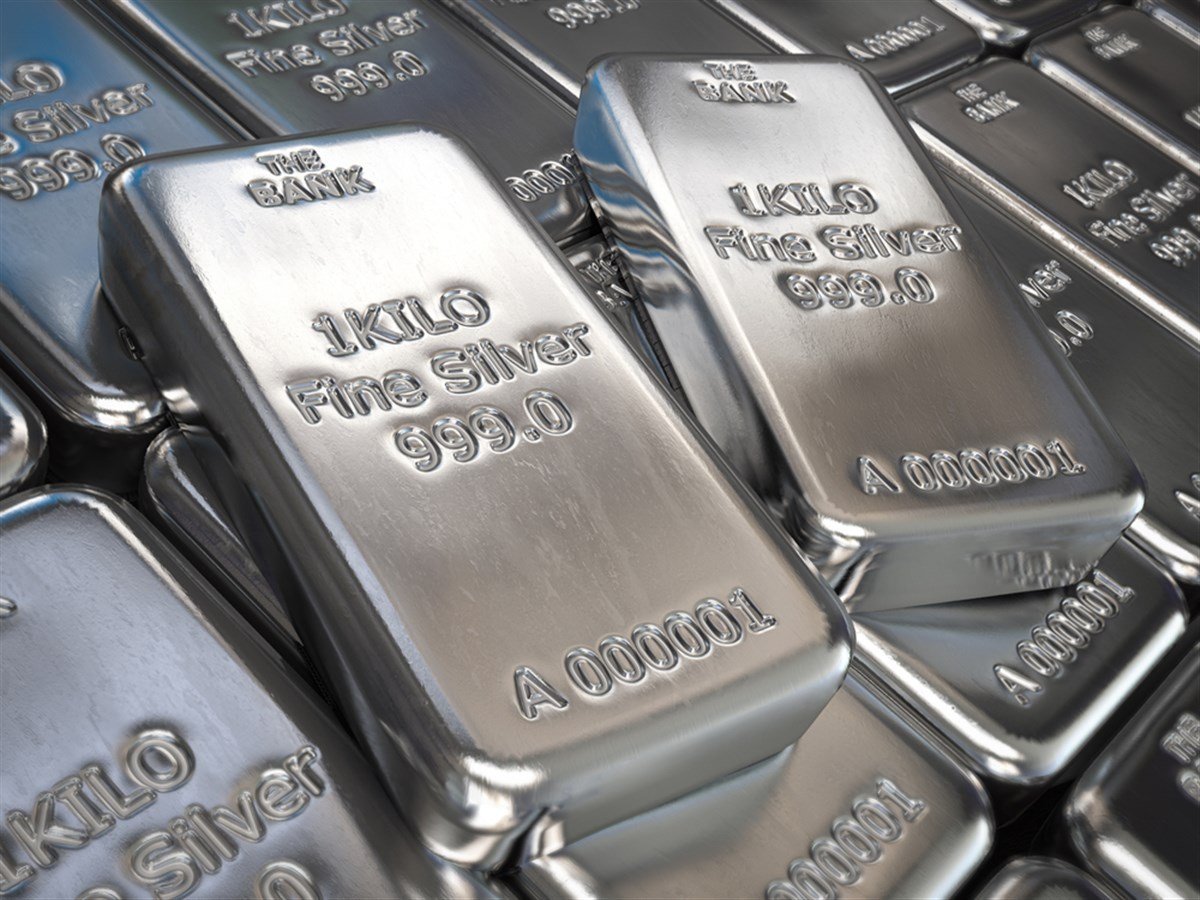
Silver bullion is the metal itself in physical form, usually bars, coins, or rounds produced to established purity standards. Its value is tied primarily to the spot price of silver, plus fabrication premiums and market demand for specific products. There is no management team, no earnings report, and no balance sheet. You own the asset directly.
That difference sounds simple, but it has major consequences. One is a business investment. The other is hard-asset ownership.
Why silver stocks can outperform
When silver prices rise, mining stocks can sometimes rise faster. That is because miners may benefit from operating leverage. If production costs stay relatively stable while the silver price climbs, profit margins can expand quickly. Investors often see this as the upside case for silver equities.
There is also convenience. Stocks can be bought and sold through a brokerage account within seconds during market hours. They fit easily into retirement accounts and other traditional investment structures. For investors who want exposure without arranging storage or insured delivery, silver stocks may feel more familiar.
Some mining companies also pay dividends, which physical silver does not. For an income-oriented investor, that may matter. But the trade-off is that dividend sustainability depends on corporate profitability, not simply the silver price.
The main point is this: silver stocks can offer amplified upside, but that upside is tied to the quality of the company as much as the metal.
Why bullion appeals to long-term asset protection
Physical silver serves a different purpose. Investors buy bullion because they want direct ownership of a tangible asset outside the financial system. A silver coin or bar does not depend on management execution, lender confidence, or equity market sentiment. It is simply silver, produced to a recognized standard and held by the owner.
That direct ownership is especially relevant for investors concerned with inflation, currency weakness, banking risk, or broader market instability. Bullion is not designed to behave like a growth stock. It is designed to preserve purchasing power over time and provide a form of wealth that is not someone elses liability.
In a period of market stress, that distinction can become more important than short-term performance. A miner can face labor issues, cost overruns, permitting delays, or political disruptions even while silver itself is rising. Physical bullion avoids those business-specific risks.
For many disciplined investors, silver bullion is not about chasing maximum returns. It is about owning a recognized hard asset with clear authenticity, measurable purity, and lasting value.
Risk profile: business risk vs ownership risk
The most useful way to compare silver stock vs silver bullion is through risk.
With silver stocks, you face silver price risk plus company risk. Even a strong silver market does not guarantee gains if a miner has poor management, weak reserves, rising extraction costs, hedging mistakes, financing pressure, or exposure to unstable jurisdictions. A stock can also fall with the broader equity market, regardless of what silver itself is doing.
With bullion, the main risk is price fluctuation in the metal and the practical responsibility of secure storage. Physical silver does not go bankrupt, dilute shareholders, or miss earnings expectations. But it does require proper handling, secure storage, and buying from a reliable dealer that offers authentic products from recognized mints.
This is where investor intent matters. If your primary concern is reducing dependence on paper assets, bullion aligns more closely with that goal. If your objective is speculative upside tied to a bullish silver cycle, stocks may play a role.
Liquidity and access are not identical
Both silver stocks and silver bullion are liquid, but in different ways.
Silver stocks are highly liquid during market hours and can usually be sold immediately through a brokerage platform. Pricing is visible in real time, and settlement fits the standard securities system. That makes stocks efficient for active traders and investors who want rapid allocation changes.
Bullion is also liquid, especially widely recognized bars and sovereign-minted coins, but the selling process is different. Physical silver must be delivered, verified, and priced according to current market conditions and product type. That is not a flaw. It is simply the nature of a tangible asset.
For investors building a long-term reserve, this difference is usually acceptable. For traders who want intraday flexibility, it may not be.
Cost structure and what investors often overlook
Silver stocks usually involve brokerage commissions, fund fees if held through an ETF or mutual fund, and the hidden cost of corporate underperformance. Those costs are not always obvious because they are embedded in the investment structure.
Bullion carries a premium over spot, especially for smaller products and highly recognizable coins. There may also be storage or insurance costs depending on how you choose to hold it. Some investors view that premium as a disadvantage, but it is better understood as the cost of converting raw market exposure into direct, verifiable ownership.
The key is to compare like with like. A mining stock may appear cheaper to acquire, but it does not provide physical possession. A silver bar may carry a premium, but it gives you an asset that is not dependent on corporate decisions or market intermediaries.
Which fits your portfolio objective?
If your goal is portfolio growth and you can tolerate higher volatility, silver stocks may serve as a tactical allocation. They can react strongly to rising silver prices and may reward investors who are comfortable evaluating management quality, production economics, and sector timing.
If your goal is wealth preservation, diversification away from paper assets, and direct ownership of a tangible store of value, silver bullion is usually the clearer fit. It is especially relevant for investors who want part of their holdings in a form that remains recognized and valuable regardless of stock market conditions.
Many experienced investors use both, but they do not treat them as interchangeable. Stocks are often used for upside potential. Bullion is held for security, permanence, and independence from corporate risk.
Silver stock vs silver bullion for first-time buyers
First-time silver investors often assume the choice is mainly about price appreciation. In practice, the better question is what kind of exposure you actually want. If you want to own silver, bullion is the direct route. If you want to own a company that may benefit from silver, that is a stock decision.
That difference can prevent a common mistake. Investors sometimes buy mining shares believing they have gained the same protection as physical metal. They have not. They have gained equity exposure in a silver-related business. That may be useful, but it is not the same thing as holding investment-grade silver in your possession or in secure storage.
For buyers focused on direct ownership, authenticity and sourcing matter. Products from recognized government and private mints, clear purity standards, transparent pricing, and insured delivery all help reduce uncertainty. That is where a dealer such as Omega Bullion Vault fits naturally into the decision process.
The better question is not which is best
A disciplined investor usually does not ask whether silver stocks or silver bullion are universally better. The better question is what role each one plays.
Silver stocks are still equities. They can offer upside, but they come with management risk, operational uncertainty, and broader market correlation. Silver bullion is still a commodity asset. It can fluctuate in price, but it provides direct ownership and a form of financial defense that paper instruments do not replicate.
If you want leverage to a silver bull market, stocks may deserve attention. If you want a hard asset held for long-term security, bullion stands on firmer ground. And if your concern is preserving wealth through uncertainty, the value of owning silver directly becomes much easier to understand.
The strongest portfolios are often built by matching the asset to the purpose, not by expecting one investment to do every job.