Silver rarely earns the same attention as gold until markets become unsettled, premiums move quickly, or investors start looking for a lower-cost hard asset with real monetary history. That is exactly where a disciplined silver bullion investment strategy becomes useful – not as a short-term trade, but as a plan for building physical exposure with clear rules on what to buy, when to buy, and how to hold it securely.
Physical silver sits in a distinct category. It is a precious metal, an industrial input, and a globally recognized store of value, all at once. That combination creates opportunity, but it also creates more price volatility than many first-time buyers expect. A sound strategy does not depend on guessing the next price spike. It depends on controlling the variables you can control: product selection, premium discipline, purchase timing, authenticity standards, and storage.
What a silver bullion investment strategy should accomplish
A serious investor usually buys physical silver for three reasons: diversification, wealth preservation, and direct ownership outside the financial system. Those goals matter because they shape the kind of silver you should buy. If your purpose is long-term asset protection, the right products are not necessarily the most collectible or the most heavily marketed. They are the products that are easiest to verify, easiest to sell, and most efficient to accumulate over time.
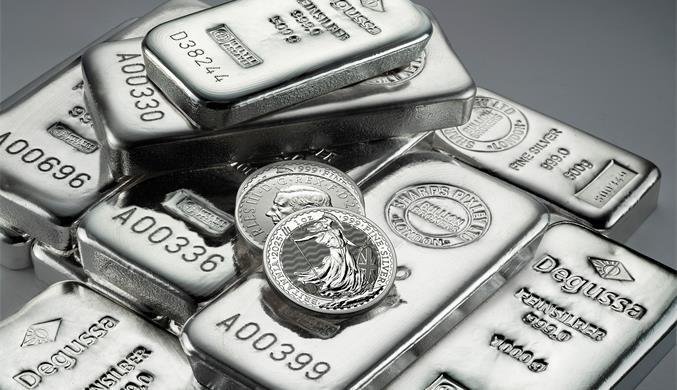
That usually points investors toward investment-grade bullion from recognized mints and refiners. Government-issued silver coins can offer strong market recognition and broad resale demand. Private mint bars and rounds can lower the premium per ounce, which often matters more when you are building larger positions. Neither format is automatically better in every case. It depends on whether your priority is liquidity in smaller units or lower acquisition cost per ounce.
A strategy should also define silver’s role in the broader portfolio. Silver can complement gold, but it should not be treated as a perfect substitute. Gold often carries lower storage bulk per dollar invested and can behave differently in stress periods. Silver, by contrast, can offer more upside sensitivity, but with sharper swings and a heavier physical footprint. That trade-off is part of the appeal for some investors and a drawback for others.
Start with allocation, not products
The most common mistake is starting with a coin design, a bar size, or a headline about price momentum. A better starting point is portfolio allocation. Before you buy, decide what percentage of investable assets you want in physical silver and why.
For some investors, silver is a modest hedge alongside cash, equities, real estate, and gold. For others, it is part of a broader precious metals allocation focused on hard asset ownership. There is no universal percentage that fits everyone. A younger investor with a long time horizon and high risk tolerance may accept greater silver volatility. A retiree focused on capital preservation may prefer a smaller silver position and a larger weight in gold or cash reserves.
The key is to define the allocation in advance. That keeps silver from becoming an emotional purchase driven by headlines, shortages, or price surges. It also gives you a benchmark for future buying. If silver rises sharply and grows beyond your target weight, you can decide whether to hold, rebalance, or pause additional purchases.
Build around recognized bullion formats
Once allocation is set, product selection becomes more straightforward. In most cases, a practical silver bullion investment strategy uses a mix of recognizable, liquid formats rather than a scattered collection of novelty items.
One-ounce sovereign coins are often the easiest entry point for first-time buyers. They are familiar, divisible, and widely understood in the secondary market. The trade-off is that they often carry higher premiums than larger bars or rounds. If you expect to build a sizable position, those extra costs can add up.
Larger silver bars can improve cost efficiency. Ten-ounce, kilo, and 100-ounce bars often reduce the premium per ounce and simplify bulk ownership. The trade-off is flexibility. Selling part of a large bar position is less precise than selling individual coins. For that reason, many investors blend formats: smaller units for optionality and larger bars for premium efficiency.
This is where dealer standards matter. Recognized mint sourcing, clear purity specifications, and secure delivery are not cosmetic details. They are part of the investment case. A lower price is not a better deal if the product lacks broad market recognition or creates future verification problems. Investors buying through a trusted dealer such as Omega Bullion Vault are typically trying to reduce exactly that kind of uncertainty.
Timing matters, but consistency matters more
Every silver buyer asks the same question: should I wait for a better price? Sometimes patience helps. Silver is volatile, and pullbacks are common. But a strategy built entirely on finding the perfect entry point often leads to delay, overthinking, or chasing momentum after the move has already happened.
A more disciplined approach is staged accumulation. Instead of committing all capital at once, divide purchases across time. Monthly or quarterly buying can reduce the impact of short-term price swings and premium fluctuations. This approach is especially useful for investors who are building a long-term position rather than making a one-time allocation.
That does not mean price is irrelevant. Premiums and market conditions should still inform your decisions. If spot prices are flat but retail premiums are unusually high because of supply strain, it may make sense to wait or shift into a different format with better value. If silver corrects sharply and premiums remain reasonable, accelerating a planned purchase may be justified. The point is to act within a framework, not from urgency.
Storage is part of the strategy, not an afterthought
Physical ownership only works if storage is handled properly. Silver takes up more space than many new buyers expect, especially in larger quantities. A modest dollar allocation can translate into significant weight and volume. That affects insurance, home security, and accessibility.
Some investors prefer direct possession at home for immediate control. That can work, but only if it is paired with serious security measures and appropriate discretion. Others use professional storage for higher-value holdings, especially when they want added insurance and reduced household risk. The right answer depends on the size of the position, personal preference, and jurisdiction.
What matters most is making the storage decision before purchases become substantial. The same applies to recordkeeping. Keep invoices, product details, and purchase dates organized. This supports insurance needs, future resale, estate planning, and personal tracking of acquisition costs.
Know the risks that silver buyers often underestimate
Silver can be a strong long-term holding, but it is not a risk-free asset. Price volatility is the most visible risk. Silver can move hard in both directions, and those swings can test conviction if you bought without a clear purpose.
Premium compression is another factor. If you buy during periods of elevated retail demand, you may pay a significant premium over spot. That premium may not hold when you sell. This is one reason product choice and dealer pricing discipline matter so much.
Liquidity is usually strong for recognized bullion, but liquidity is not identical across all formats. Well-known sovereign coins and standard bars are generally easier to resell than obscure products. Counterfeit risk also exists in the broader market, which is why authenticity, recognized sourcing, and secure chain of custody should never be treated lightly.
Tax treatment can vary by jurisdiction as well. Serious buyers should understand how local sales tax, capital gains, reporting standards, or import considerations may affect the total investment picture.
A practical framework for long-term buyers
For most investors, the strongest silver strategy is not complicated. It is disciplined. Set a target allocation, choose investment-grade products with broad recognition, buy in stages, monitor premiums, and secure storage before the position grows. If you want flexibility, lean more heavily on one-ounce coins or smaller bars. If you want lower cost per ounce, increase the share of larger bars. If you already own gold, silver can serve as a more accessible way to broaden hard asset exposure without relying on paper claims.
The best silver buyers are usually the least dramatic ones. They do not treat every move in spot price as a signal. They focus on acquiring real ounces, from reliable sources, at sensible premiums, within a portfolio plan they can maintain in both calm and uncertain markets.
Silver tends to reward patience more than prediction. If your strategy is clear before you buy the first ounce, you are far more likely to hold with confidence when markets become noisy.