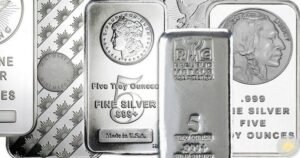

A gold coin can sit in your hand, carry a globally recognized weight and purity standard, and still function as a serious long-term asset. That is the starting point for understanding what is gold coin investment: the purchase of physical gold coins primarily for wealth preservation, portfolio diversification, and direct ownership of bullion.
Unlike numismatic collecting, where rarity and condition can drive value, gold coin investment is usually centered on metal content, market liquidity, and trust in the mint that produced the coin. Investors are not buying a coin because it is old or visually interesting. They are buying a standardized form of physical gold that can be stored, verified, and sold when needed.
What Is Gold Coin Investment in Simple Terms?
Gold coin investment means buying physical gold coins with recognized gold content as part of an investment strategy. In most cases, the investor is seeking exposure to the price of gold through direct ownership rather than through a paper instrument such as an ETF, mining stock, or futures contract.
The appeal is straightforward. A bullion coin gives you a tangible asset that is not tied to the credit risk of a bank, broker, or issuer. For many investors, that matters most during periods of inflation, financial instability, currency weakness, or broader uncertainty in traditional markets.
That said, gold coin investment is not the same as opening a savings account or buying a short-term income-producing asset. Gold does not pay interest or dividends. Its role is usually defensive. Investors hold it because they want a durable store of value, a hedge against monetary erosion, and an asset that can sit outside the conventional financial system.
Why Investors Choose Gold Coins
Gold can be purchased in several physical forms, especially bars and coins. Coins remain popular because they balance recognizability, divisibility, and liquidity.
A well-known bullion coin from a respected government mint is often easy to identify and easier to resell than an unfamiliar product. That matters if an investor wants confidence not only when buying, but also when eventually selling. Coins are also available in practical sizes, which gives investors flexibility. Someone building a position gradually may prefer one-ounce coins or fractional denominations instead of larger bars.
There is also a trust factor. Investment-grade coins are typically produced to internationally recognized purity standards and carry defined specifications for weight and metal content. For buyers who care about authenticity, this standardization reduces uncertainty.
Bullion Coins vs. Collectible Coins
This distinction is where many first-time buyers get tripped up. Not every gold coin is an investment coin in the same sense.
Bullion coins are valued mainly for their gold content and their market premium over the spot price of gold. Examples often include widely recognized modern coins issued by sovereign mints. Their pricing tends to be more transparent because it is tied closely to the live gold market.
Collectible or numismatic coins are different. Their price may depend on rarity, age, historical significance, mint errors, or grading. In some cases, a numismatic coin can perform well, but it introduces a different kind of risk because value depends less on the gold itself and more on collector demand.
For an investor focused on asset protection and liquidity, bullion coins are usually the more straightforward option.
How Gold Coin Pricing Works
The price of a gold coin is not just the spot price of gold. Investors also pay a premium. That premium reflects minting costs, dealer margins, distribution, market demand, and the coin’s reputation in the global market.
For example, a one-ounce bullion coin will generally trade above the melt value of its gold content. That does not mean it is overpriced. It means physical gold in coin form carries fabrication and market value beyond raw metal alone.
Premiums can rise or fall depending on product availability and market conditions. During periods of heavy demand, certain coins may trade at meaningfully higher premiums. During calmer markets, the spread may narrow. This is one reason disciplined investors compare products carefully instead of assuming every gold coin offers equal value.
What Makes a Gold Coin a Strong Investment Product?
Not all gold coins are equally practical for portfolio use. The strongest investment-grade options usually share a few traits: recognized mint origin, clearly stated weight and purity, strong secondary market demand, and consistent global acceptance.
Liquidity matters as much as purity. A coin may contain fine gold, but if it comes from an obscure source, it can be harder to verify and sell. In contrast, coins from major sovereign mints benefit from broad market familiarity. That can make pricing more efficient and resale more straightforward.
Condition also matters, although less than it does in the numismatic market. Investors generally want coins in original, investment-grade condition from a trusted dealer that stands behind authenticity and secure delivery.
The Main Benefits of Gold Coin Investment
Gold coins can serve several strategic purposes inside a broader portfolio. First, they offer direct physical ownership. That means the investor holds a tangible asset rather than a financial claim tied to another institution.
Second, gold has historically been used as a hedge against inflation and currency debasement. It does not move in a straight line, and it can experience periods of underperformance, but many investors hold it because they want protection against long-term purchasing power loss.
Third, gold can diversify a portfolio dominated by stocks, bonds, and cash. Physical bullion often behaves differently than financial assets, which can help reduce concentration risk.
Fourth, coins offer flexibility. Investors can buy in smaller increments, adjust position size over time, and retain a format that is widely recognized in the global bullion market.
The Risks and Trade-Offs to Understand
Gold coin investment is not risk-free, and serious buyers should approach it with realistic expectations. The gold price can decline, sometimes for extended periods. Anyone buying physical coins should be prepared for market fluctuations rather than expecting quick gains.
Costs are another factor. Investors pay premiums when buying, and they may receive a lower price when selling. Storage and insurance can add to the total cost of ownership, especially for larger holdings. This means gold often works best as a medium- to long-term holding rather than a short-term trade.
There is also a practical security question. Physical ownership comes with responsibility. Coins must be stored safely, whether at home in a properly secured setup or in a professional storage arrangement. The right answer depends on the size of the holding, the investor’s risk tolerance, and their need for immediate access.
How to Buy Gold Coins Wisely
For most investors, the quality of the dealer matters almost as much as the product itself. You want clear pricing, recognized products, insured delivery, and confidence that what arrives matches the stated purity and weight.
Start with established bullion coins from globally known mints. Focus on investment-grade products rather than paying steep premiums for collector appeal unless you specifically understand the numismatic market. Review the total acquisition cost, not just the spot price, and compare premiums across similar products.
It also helps to think in portfolio terms. If your goal is wealth preservation, regular accumulation may be more sensible than trying to time every move in the gold market. Many investors build positions gradually, especially when they want to reduce the impact of short-term price swings.
A dealer such as Omega Bullion Vault is positioned to support that process by emphasizing recognized sourcing, authenticity standards, transparent pricing, and insured fulfillment – all of which matter when physical ownership is the goal.
Is Gold Coin Investment Right for You?
That depends on why you are buying. If you want current income, gold coins are probably not the best fit. If you want a fast trade based on short-term price movement, physical coins may be less efficient than market-based instruments.
But if your priority is long-term wealth protection, diversification, and owning a hard asset with no direct counterparty exposure, gold coin investment can make sense. It is especially relevant for investors who want part of their portfolio in a form that is tangible, globally recognized, and outside the structure of paper-only holdings.
The strongest approach is usually measured, not emotional. Buy products you understand. Work with dealers that prioritize authenticity and secure logistics. Keep premiums, storage, and resale in view from the start. Gold coins are not a cure-all, but for disciplined investors, they can be a stable part of a broader strategy built around resilience and control.
When you evaluate gold coins through that lens, the question is no longer just what is gold coin investment. The better question is whether owning a portion of your wealth in verified physical gold fits the kind of financial security you want to build over time.