A one-ounce silver coin may look like a simple purchase, but the wrong choice can make a future sale more expensive and less convenient. Choosing the best silver coins for stacking means looking beyond the metal content to consider recognition, premiums, liquidity, condition, and how the coins fit your intended holding period.
For most investors, the objective is straightforward: acquire investment-grade silver from trusted mints at a sensible premium over the silver spot price, then retain the ability to sell or add to the position efficiently. The strongest choices are rarely the rarest or most visually elaborate coins. They are the products that serious bullion buyers, dealers, and refiners recognize immediately.
What Makes a Silver Coin Good for Stacking?
Stacking is the deliberate accumulation of physical bullion over time. It differs from collecting, where scarcity, historic significance, mint errors, and presentation can justify paying substantial premiums. A stacker generally wants as many verified ounces as possible for each dollar committed, without compromising marketability.
The best silver coins for stacking typically share four characteristics: they contain a full troy ounce of .999 or .9999 fine silver, come from a widely recognized government mint, carry clear weight and purity markings, and trade in large global volumes. Those qualities reduce uncertainty when it is time to sell, exchange, or use the coins as part of a broader precious metals allocation.
Liquidity matters because bullion is not only purchased for its metal value. It is purchased for direct ownership and the option to convert that ownership back into cash when needed. An unfamiliar commemorative issue may contain genuine silver, but a recognized bullion coin is normally easier for a buyer to authenticate and price.
The Best Silver Coins for Stacking
American Silver Eagles
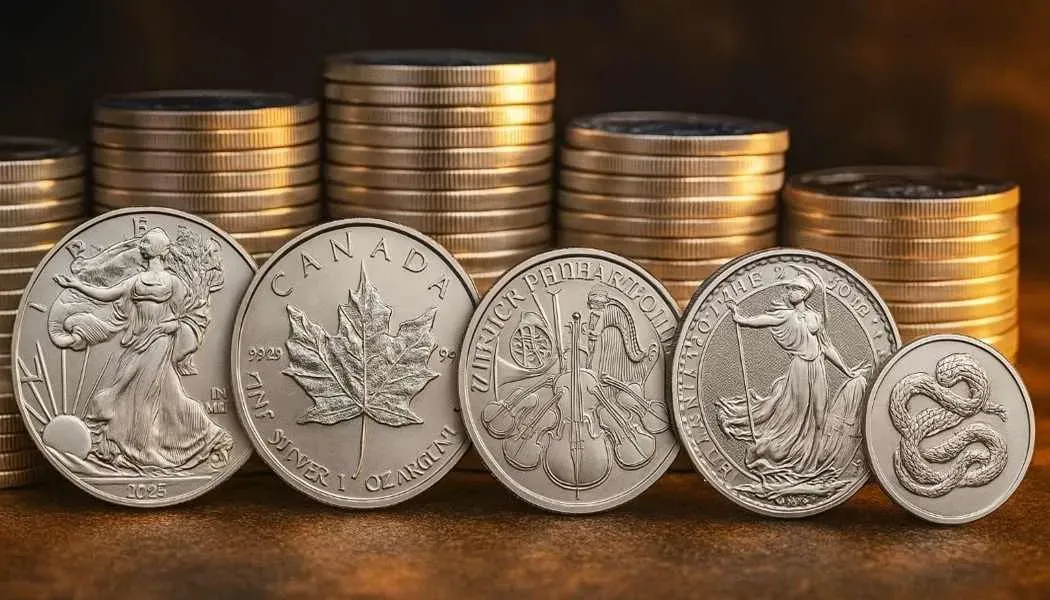
American Silver Eagles are among the most recognized silver bullion coins in the United States. Each coin contains one troy ounce of .999 fine silver and is backed by the U.S. government for weight, content, and purity. For domestic investors, that recognition is a meaningful advantage.
Their principal trade-off is premium. Silver Eagles commonly cost more per ounce than many other sovereign bullion coins and substantially more than generic rounds or larger silver bars. Investors who value immediate recognizability, strong resale demand, and a familiar U.S. format may consider that premium justified. Those focused strictly on acquiring the greatest possible number of ounces may prefer lower-premium alternatives.
Canadian Silver Maple Leafs
The Canadian Silver Maple Leaf is a leading option for investors who want high purity and international recognition. It contains one troy ounce of .9999 fine silver and is produced by the Royal Canadian Mint. Modern issues also include advanced security features that can provide additional confidence during verification.
Maple Leafs are widely traded in the United States and abroad. Their premium is often competitive with other sovereign coins, though it can vary with market conditions and dealer inventory. The coin’s soft, highly pure silver surface can show handling marks, but minor cosmetic imperfections generally matter far less to bullion buyers than the coin’s weight, purity, and authenticity.
Britannia Silver Coins
Silver Britannias provide a recognized government-mint option with .999 fine silver content. Produced by The Royal Mint, they have established global market acceptance and, on recent issues, sophisticated visual security elements that help support authentication.
Britannias can be particularly attractive when their premium is lower than that of American Silver Eagles or Canadian Maple Leafs. Their resale market in the United States is strong, although it may not be as universally familiar to first-time American buyers as the Silver Eagle. For a diversified stack of sovereign bullion, they are a practical and credible choice.
Austrian Silver Philharmonics
Austrian Silver Philharmonics are .999 fine one-ounce coins issued by the Austrian Mint. They are especially well known in European bullion markets and have a long record as a mainstream sovereign silver product.
For U.S. stackers, Philharmonics are often worth considering when available at a favorable premium. They may not command the same retail recognition in every local market as Eagles, but established bullion dealers understand the product and can price it efficiently. That makes them a sound value-focused option for investors who expect to sell through a professional dealer rather than rely solely on private local transactions.
Australian Kangaroos and Other Perth Mint Coins
Australian Kangaroo silver coins, produced by The Perth Mint, contain one troy ounce of .9999 fine silver. They combine respected mint credentials with modern security features and broad international distribution. Premiums are often reasonable relative to their purity and quality.
The Perth Mint also produces a range of wildlife-themed silver bullion coins. Some can be suitable for stacking, but investors should distinguish standard bullion releases from limited-mintage collectible programs. If the goal is weight accumulation, a consistently available Kangaroo is generally easier to price and replenish than a changing series with collector-driven premiums.
Premiums Should Drive the Final Decision
No single coin is always the best purchase. The appropriate choice often depends on the premium available on the day you buy. A Silver Eagle may be an excellent long-term holding, but if its premium is significantly higher than that of a Maple Leaf, Britannia, or Kangaroo, the lower-premium sovereign option may deliver more silver for the same investment amount.
Compare the total delivered cost per ounce, not simply the advertised product price. This means accounting for quantity discounts, payment method, shipping costs, and applicable taxes. For larger purchases, the difference of even a modest premium per ounce can become material.
A disciplined approach is to select two or three recognized coin types you are comfortable owning, then buy the best value among them as pricing changes. This avoids paying excessive premiums merely to maintain a single-coin preference while preserving the liquidity benefits of sovereign bullion.
When Coins Are Better Than Bars or Rounds
Coins are not automatically the lowest-cost way to own silver. Generic one-ounce rounds and larger silver bars usually carry lower premiums, particularly in 10-ounce, kilogram, or 100-ounce formats. For investors building substantial weight, those savings can be compelling.
Coins offer flexibility that larger bars cannot always match. A stack of one-ounce coins can be sold in smaller increments, making it easier to raise a specific amount of cash without liquidating a large portion of a position. Government-issued coins also provide an additional layer of recognition that may be valuable during periods of elevated demand.
Many long-term investors use a blended approach. They maintain a core position in lower-premium bars or rounds for efficient ounce accumulation, then add recognized one-ounce sovereign coins for flexibility and broad resale appeal. The right balance depends on budget, storage capacity, and anticipated future liquidity needs.
Avoid Paying for Features You Do Not Need
Proof coins, colorized issues, graded coins, and limited-edition packaging can be legitimate products, but they serve a different purpose from standard bullion stacking. Their prices may reflect craftsmanship, scarcity, or collector demand rather than silver value alone. That additional premium can be difficult to recover if the buyer later sells into a market focused only on metal content.
Similarly, older circulated U.S. 90% silver coins can have a place in a physical silver strategy, particularly for investors who value fractional denominations. However, they require more attention to face-value calculations, actual silver content, and bag premiums. They are not necessarily simpler or cheaper than modern one-ounce bullion coins.
If the objective is straightforward wealth preservation through physical silver, standard-date bullion coins in typical investor condition are usually the most efficient choice. Focus on verified purity, recognizable mint origin, and fair pricing rather than presentation.
Buy With Storage and Verification in Mind
Silver is bulky. One hundred troy ounces weighs more than six and a half pounds, and a meaningful allocation can quickly require secure storage planning. Keep coins in tubes or original mint packaging when possible, minimize unnecessary handling, and retain invoices that document the source and purchase date.
Purchasing from an established bullion dealer is equally important. Authenticity, transparent product specifications, secure payment practices, and insured delivery are central to physical ownership. Avoid cleaning or polishing bullion coins, as doing so can impair their resale appeal without increasing their silver value.
For investors storing larger positions at home, discretion and physical security deserve careful attention. Others may prefer professional vault storage, especially when the position grows beyond what can be secured comfortably and insured appropriately in a residence.
A silver stack works best when each purchase has a clear purpose. Set a budget, compare premiums across recognized coins, and favor products you would be comfortable selling through more than one channel. Consistent, verified accumulation is usually more valuable than chasing the perfect coin on any single order.