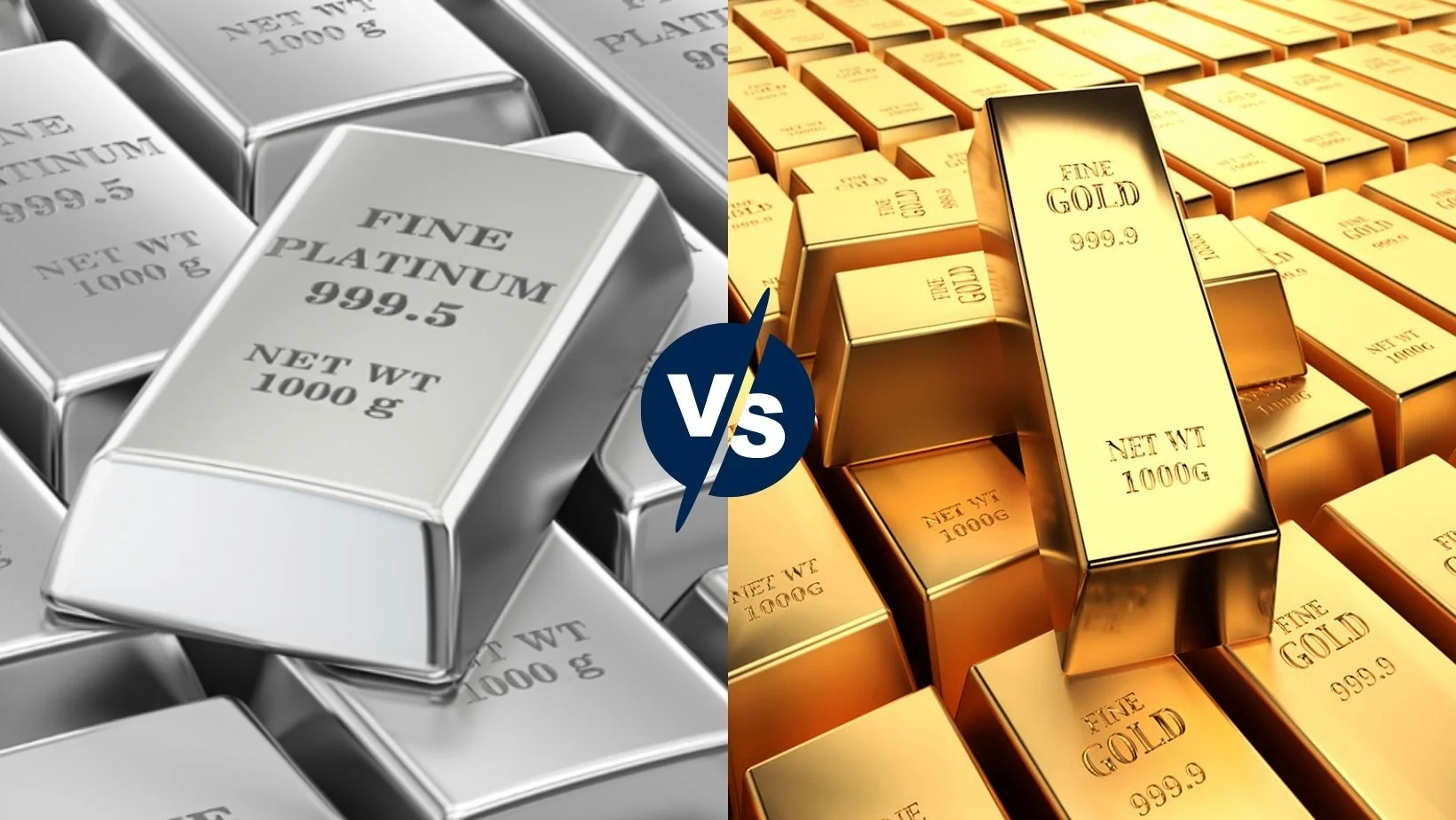
A one-ounce gold coin and a one-ounce platinum coin may look like similar additions to a secure holdings box, but they serve materially different roles. The decision between platinum versus gold bullion is not simply a question of which metal has the lower price today. It is a decision about liquidity, volatility, industrial demand, portfolio purpose, and how easily you may want to sell or add to your position over time.
For investors building a physical precious metals allocation, gold is usually the foundation. Platinum can be a more specialized position with a distinct supply-and-demand profile. Neither is automatically the better purchase. The right choice depends on what you expect your bullion to do for your broader wealth-preservation strategy.
Platinum Versus Gold Bullion: The Core Difference
Gold has been recognized as a monetary metal and store of value for centuries. Central banks hold it, investors worldwide understand it, and established bullion markets support deep trading in coins and bars. Its value is driven largely by investment demand, monetary conditions, currency confidence, and the desire for assets outside the financial system.
Platinum is also a precious metal, but its market has a much stronger industrial component. It is used in automotive emissions-control systems, chemical processing, petroleum refining, medical equipment, electronics, and emerging hydrogen-related technologies. Demand from these sectors can create opportunity, but it can also make platinum more sensitive to economic slowdowns and changes in manufacturing activity.
This distinction affects how each metal behaves. Gold often attracts buyers during periods of market stress, inflation concern, geopolitical uncertainty, or declining confidence in currencies. Platinum can respond sharply to disruptions in mine supply, shifts in vehicle production, industrial demand forecasts, and changes in substitution between platinum and palladium.
For an investor seeking the most established form of physical monetary insurance, gold generally offers a clearer role. For an investor comfortable with a smaller, more cyclical precious-metals position, platinum may provide useful diversification.
Supply: Platinum Is Rarer, but Rarity Is Not Everything
Platinum is considerably rarer than gold in annual mine production. Its supply is concentrated in a small number of regions, particularly South Africa, with additional production from Russia, Zimbabwe, North America, and other areas. Concentrated supply means labor interruptions, energy constraints, political instability, or operational challenges can affect availability and pricing.
Gold production is geographically broader, and substantial above-ground gold already exists in the form of jewelry, central-bank reserves, investment bars, and coins. That broad existing stock helps support a deep global market.
Rarity alone does not guarantee a higher price or stronger investment performance. A metal’s value also depends on the number of willing buyers, the depth of the resale market, fabrication costs, and the purpose buyers assign to it. Platinum’s limited supply can magnify price moves, but it can work in both directions. Gold’s larger market is one reason it tends to be more stable and easier to transact in size.
Liquidity and Resale Favor Gold
Liquidity is one of the most practical differences between gold and platinum bullion. Gold is widely recognized by dealers, investors, refiners, and financial institutions around the world. Common products such as one-ounce coins from major government mints and recognized gold bars typically have established buyback demand.
Platinum bullion is still readily tradable when purchased in recognized formats, but the buyer base is narrower. During ordinary market conditions, a reputable dealer can generally quote and purchase investment-grade platinum products. However, the bid-ask spread may be wider than for comparable gold products, particularly on less common bars, coins, or unusual weights.
For an investor who may need quick access to cash, gold usually provides more flexibility. This does not mean platinum should be avoided. It means platinum holdings should be sized with the understanding that resale conditions may be less favorable at certain times.
Choosing widely recognized bullion matters for both metals. Products with clear weight, purity, and mint recognition help protect your ability to sell efficiently. For physical ownership, authenticity and market acceptance are more valuable than novelty.
Volatility: Platinum Can Require More Patience
Gold can be volatile, especially during periods of changing interest-rate expectations or significant currency movement. Yet platinum has historically experienced larger swings because it is influenced by both investment flows and industrial demand.
When manufacturing demand strengthens or supply tightens, platinum prices can rise quickly. When economic growth weakens, automobile production declines, or industrial users reduce demand, platinum may fall more sharply than gold. Investors should be prepared for this possibility before purchasing physical platinum.
That volatility can make platinum attractive to investors who believe the market is undervalued relative to supply conditions or long-term industrial demand. It can also make platinum unsuitable as the sole precious metals holding for a conservative investor whose primary objective is stability and wealth protection.
Gold, while not immune to price declines, tends to have a more direct role as a defensive asset. In a portfolio built around preserving purchasing power and reducing dependence on paper assets, that characteristic can be significant.
Premiums, Denominations, and Storage
The spot price is only one part of the cost of owning physical bullion. Buyers should also compare dealer premiums, which reflect manufacturing, distribution, inventory, and market conditions. Platinum premiums can vary more noticeably than gold premiums because platinum bullion production runs and retail demand are often smaller.
Gold offers more choices in fractional sizes, including one-tenth-ounce, one-quarter-ounce, and one-half-ounce coins, alongside one-ounce coins and larger bars. These smaller denominations can support flexibility if you later want to sell part of a holding without liquidating a full ounce or bar.
Platinum is more commonly available in one-ounce coins and bars, though fractional products do exist. Its lower price per ounce relative to gold at many points in history may make one-ounce platinum accessible to buyers looking to add another physical metal without committing to the cost of an ounce of gold.
Both metals are dense and efficient to store. Gold is more value-dense, meaning a substantial dollar value can be held in a smaller physical space. Platinum remains compact, but building a large dollar allocation requires more ounces and therefore more storage capacity than an equivalent gold allocation.
For either metal, retain original assay cards when applicable, packaging when practical, and purchase documentation. Store bullion securely, insure it when appropriate, and avoid unnecessary handling that could damage collectible packaging or impair resale appeal.
When Gold May Be the Better Fit
Gold is generally the stronger choice when your priority is a durable core holding, broad international recognition, and reliable resale liquidity. It can be especially appropriate for first-time bullion buyers, investors building an emergency reserve outside the banking system, and those allocating a meaningful portion of assets to physical metals.
A gold-first approach also makes sense when simplicity matters. Recognized one-ounce coins and bars are easy to understand, value, store, and pass on. For buyers concerned about inflation, currency debasement, financial-system risk, or geopolitical uncertainty, gold’s established monetary role can provide greater confidence than a metal tied more closely to industrial cycles.
When Platinum May Deserve a Place
Platinum may suit an investor who already has a meaningful gold position and wants additional exposure within the precious-metals sector. Its constrained supply base and industrial applications create drivers that do not perfectly mirror gold. That difference can add diversification within a physical metals allocation.
It may also appeal to investors who can accept higher volatility and hold through extended periods when industrial demand is weak. Platinum should be approached as a long-term allocation rather than a short-term prediction about automotive demand, mine disruptions, or the gold-to-platinum price relationship.
Some investors watch the relative price of platinum and gold as a historical reference point. That comparison can be useful context, but it is not a reliable signal that one metal must rise or fall. The two markets have different demand structures, and there is no fixed price relationship that markets are required to restore.
Choosing Physical Bullion With Discipline
Whether you select gold, platinum, or both, begin with the role the purchase must serve. A disciplined buying decision considers four practical questions:
- Is this a core wealth-preservation position or a smaller diversified allocation?
- How important is immediate resale liquidity to your financial plan?
- Can you remain invested if the metal experiences a sharp price decline?
- Are you buying recognized products with clear purity, weight, and authenticity standards?
For gold, investment-grade products are commonly .999 or .9999 fine. Platinum bullion is commonly .9995 fine. Purity should be clearly marked, and products should come from globally recognized government or private mints. This supports buyer confidence, transparent pricing, and a more straightforward resale process.
Avoid making a decision solely because one metal appears inexpensive compared with its past price. A lower price can reflect a legitimate shift in demand, market expectations, or available supply. Instead, determine your allocation before buying, purchase products you can readily verify, and treat physical metals as part of a broader financial plan rather than a substitute for prudent cash reserves or diversified investments.
Omega Bullion Vault focuses on recognized bullion products and secure delivery standards because ownership begins with confidence in what you receive. The metal, format, and quantity should fit your objectives as closely as the purchase process fits your security requirements.
Gold may provide the steadier base, while platinum can add a more specialized source of precious-metals exposure. Start with the role you need bullion to play, then choose the metal you can hold with conviction through changing market conditions.